The math on leasing versus buying a Tesla changed in 2025, and it changed for both sides. The federal Section 30D clean vehicle tax credit, worth up to $7,500, is not available for any vehicle acquired after September 30, 2025 — and the same IRS page confirms the commercial clean vehicle credit that leasing companies used to claim on your behalf ended on that same date. Before the cutoff, leasing sometimes had an edge because Tesla’s finance arm could claim a commercial credit with looser rules than the consumer credit and build some of the savings into your monthly payment. That advantage is gone now, so the tax credit no longer tips the scale toward either option. None of this is financial advice — it’s a rundown of how each option works today so you can weigh the tradeoffs yourself.
How a Tesla lease works now
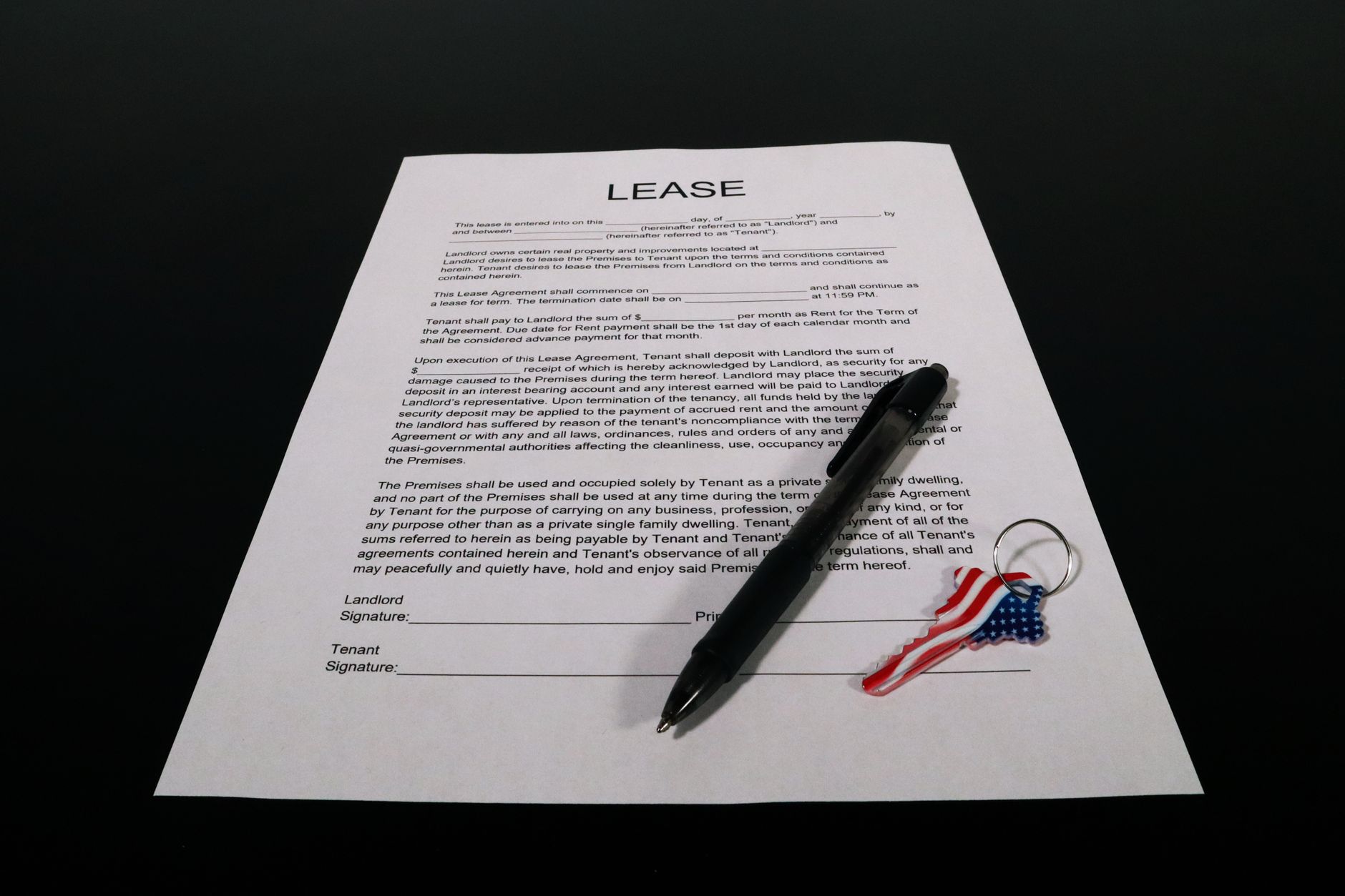
When you configure a Tesla for lease, you choose your down payment, lease term, and annual mileage directly in Tesla’s ordering tool, and it generates an estimated monthly payment based on those choices. Lease approvals require a credit check and are only valid for 60 days. According to Tesla’s own comparison of financing and leasing, leases run 24 to 36 months, shorter than the 36-to-84-month range available on loans. You need a Social Security number and to be at least 18, and leasing is not offered everywhere.
What happens at the end of a Tesla lease
One common assumption is worth correcting: Tesla does let you buy your leased car. Its lease-end options page states that U.S. vehicles leased through Tesla Lease Trust “may be eligible for purchase” (Iowa and Louisiana are excluded), for a purchase fee of up to $350 plus local taxes. Your other choices at lease-end are to return the car after a final inspection, trade it in for a new Tesla, which can come with loyalty incentives, or extend the same lease once for up to six months. If you want out early, Tesla’s early termination policy lets you settle up through the app, but Tesla says directly that ending a lease early “can be costly” — the payoff depends on your remaining balance, the car’s current market value, and where you live, and quotes expire the day before your next payment is due.
How financing works
Buying with a loan means signing a Retail Installment Contract before delivery, whether you finance through Tesla or a third-party lender, and committing to a longer repayment window of up to 84 months. You own the car once the loan is paid off, with no mileage cap and nothing to hand back for inspection. Paying cash skips financing entirely and gives you full ownership from day one, though it ties up more money upfront.
Why the tax credit is no longer the deciding factor
For most of 2025, leasing a Tesla could work out cheaper partly because the tax credit flowed through the lease rather than to a buyer directly. That gap closed fast: Kelley Blue Book reported that Tesla raised Model Y lease payments by as much as $70 a month and Model 3 lease payments by as much as $80 a month right after the credit expired on September 30, 2025, as it rebuilt the lost incentive into sticker lease pricing. The credit no longer separates leasing from buying financially — it is off the table either way.
Questions to ask yourself
Leasing tends to suit you if you want a newer Tesla every few years, drive a predictable and moderate number of miles, and would rather not think about resale value or long-term battery health. Buying tends to suit you if you plan to keep the car past the length of a typical lease, drive more miles than a lease allowance comfortably covers, or want to build equity you can eventually sell, trade, or drive payment-free. Before deciding, ask yourself: How many years do you realistically keep a car? How many miles do you drive a year, and does that fit inside a lease’s mileage limit without triggering per-mile overage charges at return? Do you want to own this vehicle outright someday, or would you rather hand the depreciation risk back to Tesla every few years? None of this is a recommendation — it’s the shape of the tradeoff so you can run your own numbers.
Photo by Artful Homes.