Tag: fsd

  • Tesla’s FSD v14 Lite is moving toward wide release for older-hardware cars.

    Tesla’s FSD v14 Lite is moving toward wide release for older-hardware cars.

    Tesla has started testing a new build of FSD v14 Lite, the version of its driver-assistance software built for cars with the older Hardware 3 (HW3, also called AI3) computer, and the executive who leads Tesla’s AI team says it could be the one that reaches every eligible car. Software version 2026.20.6.10 began rolling out on July 20, 2026, but only to a small early access group described as “mostly belonging to the influencer community,” according to Tesla Oracle’s review of the release.

    Tesla AI chief Ashok Elluswamy wrote on X that this build is “likely going to wide release,” as reported by Not a Tesla App. Tesla has not given a timeline for when the update will reach the full HW3 fleet, and as of this writing it is still limited to early testers.

    Why this matters if you have an older Tesla

    Hardware 3 shipped in Tesla vehicles before the company moved to its newer Hardware 4 computer, and HW3 cars can’t run the full-size FSD v14 that HW4 cars already have. Lite is a smaller model distilled from HW4’s version 14 so HW3 cars can keep gaining capability without a hardware swap, per Tesla’s release notes for 2026.20.6.10. According to Not a Tesla App, HW3 cars are also expected to be excluded from the next major version, FSD v15, which is built for unsupervised driving — making Lite the main path HW3 owners have to newer features for now.

    What changes in this build

    Tesla’s release notes and early tester accounts, summarized by Tesla Oracle, point to several practical changes:

    • Starting Self-Driving from Park no longer requires pressing and releasing the brake pedal to confirm.
    • New “Arrival Options” let you choose where the car pulls over — parking lot, street, driveway, garage, or curbside.
    • A new Self-Driving app in the app launcher tracks your subscription and activation status.
    • Testers describe smoother highway driving, with fewer unnecessary lane changes and better traffic-light behavior, along with new parking and reversing capability.

    Early testers told Tesla Oracle the update feels “so much safer” than the older v12.6.4 software most HW3 cars were still running, though they noted parking maneuvers still need work.

    What to do now

    If your Tesla has Hardware 3, there’s nothing to opt into yet — the early access group is small and Tesla hasn’t said when a broader rollout starts. Check your car’s software version under Controls > Software, and watch for an update in the coming weeks if you’re not already in the early access program. As with any FSD (Supervised) release, you’re still required to keep your hands on the wheel and attention on the road; the feature assists with driving, it doesn’t replace you.

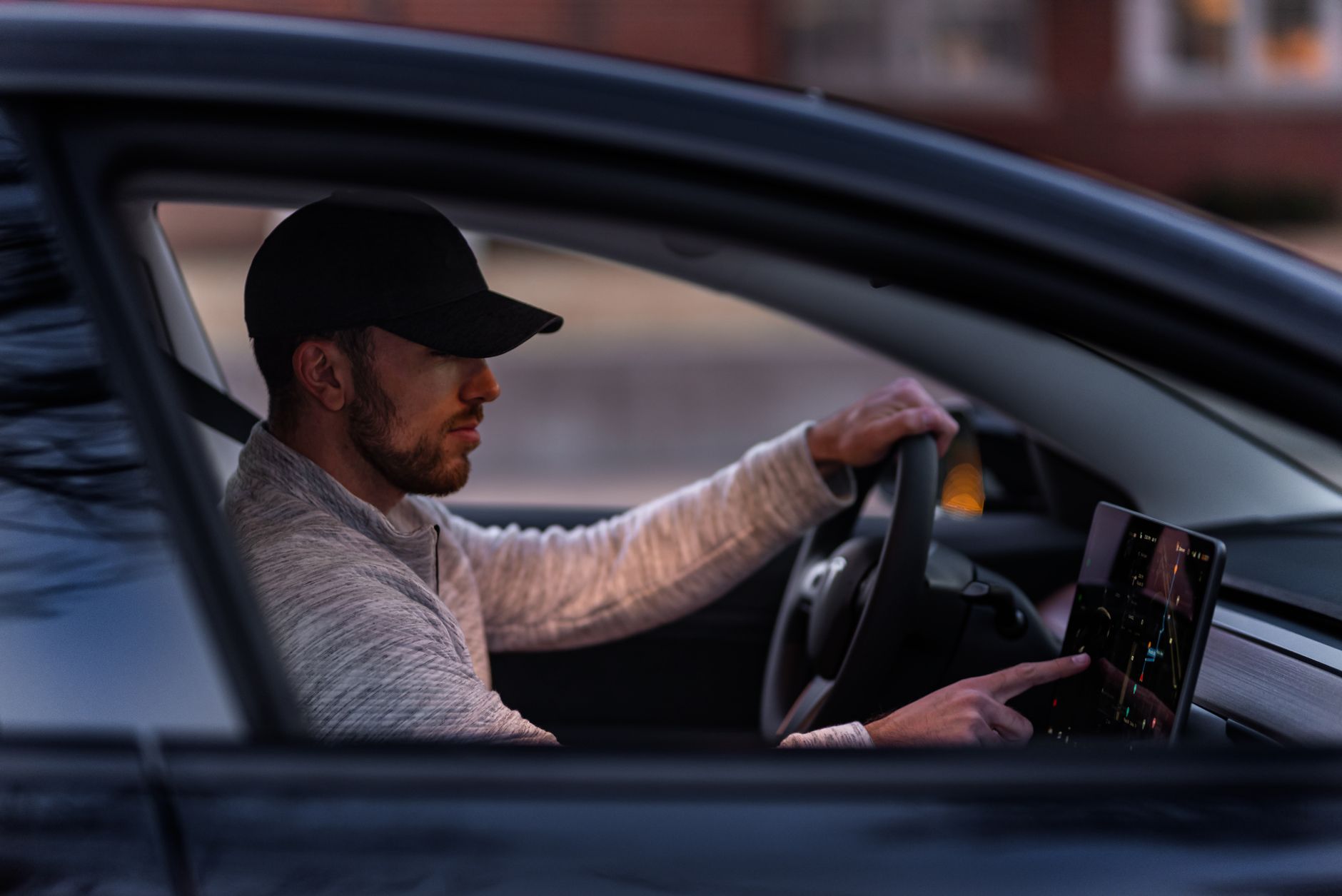
    Photo by Leonardo Gonzalez.
  • Tesla’s new FSD update adds a live camera preview and a faster Smart Summon

    Tesla’s new FSD update adds a live camera preview and a faster Smart Summon

    Tesla began rolling out software version 2026.20.6.6, which carries Full Self-Driving (Supervised) version 14.3.5, on July 13, 2026. The update reached non-employee vehicles first and, as of this writing, is limited to cars with Tesla’s Hardware 4 (HW4) computer, according to TeslaNorth. It follows 2026.20.6.1, an earlier build on the same software branch that Tesla released July 2 and that GetTesla covered at the time.

    The most visible change for owners is an expanded Camera Preview. Tesla first added the ability to view a car’s external camera feeds from the touchscreen in 2023, but that view previously only worked while the car was parked. With this update, drivers can open Camera Preview — under Controls, then Service, then Camera Preview — while the car is in motion, including the interior cabin camera, according to Tesla Oracle‘s review of the release notes. Tapping an individual camera in the on-screen grid enlarges that feed; tapping the grid icon again returns to the full view.

    Tesla also raised the top speed of Actually Smart Summon, the feature that lets a car pull itself out of a parking spot and drive to the owner in a lot or driveway, to 8 mph (13 km/h). Tesla’s release notes describe the underlying driving model as now “unified” across Actually Smart Summon, FSD (Supervised), and the company’s robotaxi service — meaning the three now share the same core software rather than separate versions — according to the official notes mirrored by Not a Tesla App.

    On the driving side, Tesla says this build improves how FSD handles traffic lights at complex intersections, including ones with multiple signal heads, curved approaches, or a yellow light, and increases decisiveness when selecting and pulling into a parking spot. When a car nears a parking destination, the map now shows nearby parking options marked with a “P” icon. The Tesla mobile app also gained a running count of miles driven in FSD without the driver needing to intervene, along with a driver’s longest such streak.

    Some of the language in this build’s release notes — an upgraded reinforcement-learning stage for training the FSD neural network, an improved vision system for reading traffic signs and handling low-visibility conditions, and a rewritten AI compiler using a framework called MLIR (Multi-Level Intermediate Representation) that Tesla says makes the car’s reaction time about 20% faster — is carried over from FSD v14.3, the version Tesla introduced in April 2026, according to Electrek‘s reporting at the time. Tesla repeats this description across every build on the v14.3 branch, so it describes the architecture v14.3.5 continues to run on rather than a change unique to this week’s update.

    For owners, none of this requires action. Like all Tesla software, 2026.20.6.6 downloads over Wi-Fi and installs automatically once the car is parked and idle; owners can check whether it has arrived under Controls, then Software, on the touchscreen. Because the update is currently limited to Hardware 4 vehicles, cars with Tesla’s older Hardware 3 computer will not receive it.

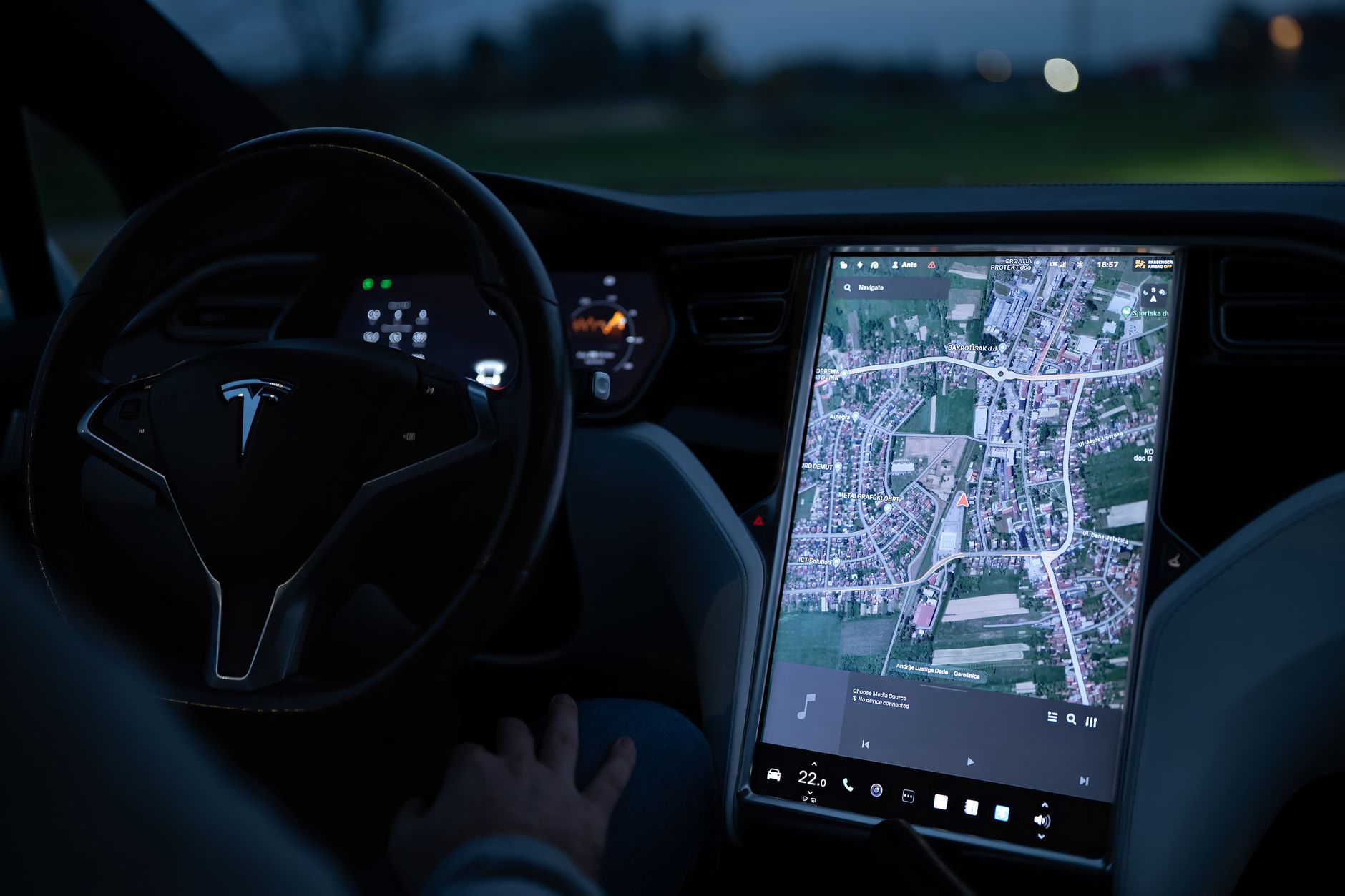
    Photo by Vladimir Srajber.

    Photo by Vladimir Srajber.