The honest answer is: it depends on where you live, which Tesla you drive, and whether you’re charging at home or on a road trip. But the math is straightforward once you have three numbers — your electricity rate, your car’s efficiency, and Tesla’s Supercharger pricing — so here’s how to run it yourself.
Home charging cost starts with your local electricity rate. The national average price U.S. households paid for residential electricity was 18.83 cents per kilowatt-hour as of April 2026, according to the U.S. Energy Information Administration. That’s a national blended average — rates run lower in parts of the Midwest and South and considerably higher in California, the Northeast, and Hawaii — so pull up your own utility bill for a more accurate number.
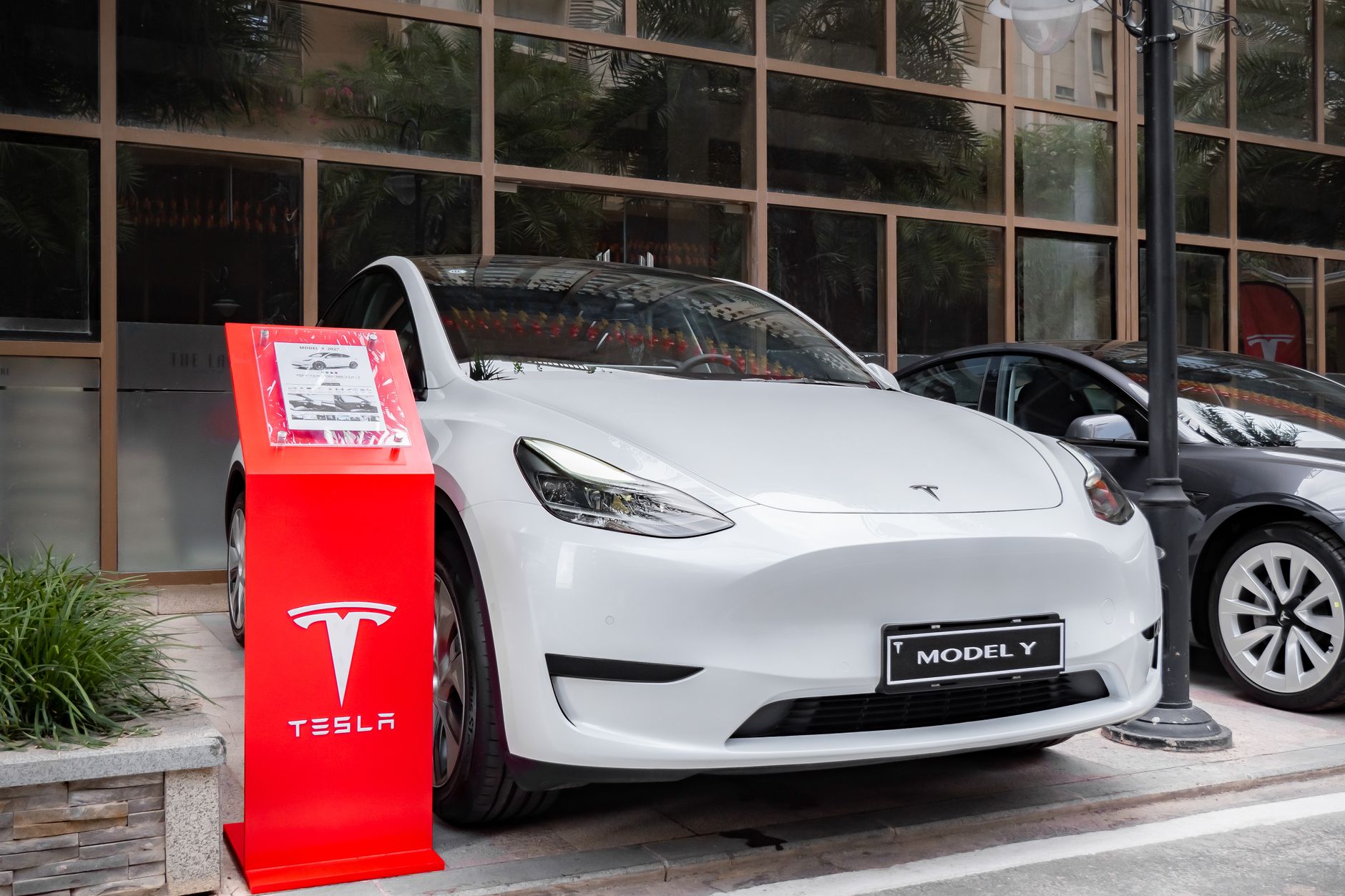
Next is how efficiently your Tesla uses that electricity. Based on EPA testing, a Model 3 consumes about 256 Wh per mile (3.9 miles per kWh), while a Model Y Long Range AWD uses about 288 Wh per mile (3.5 miles per kWh) — the Model Y’s larger, less aerodynamic body draws more power per mile than the smaller Model 3. Performance trims and larger wheel options use somewhat more energy per mile.
Multiply those two numbers together and you get cost per mile. For a Model 3 at the national average rate: 0.256 kWh/mile × $0.1883/kWh is about 4.8 cents per mile, or roughly $4.82 to drive 100 miles. For a Model Y Long Range: 0.288 × $0.1883 is about 5.4 cents per mile, or roughly $5.42 per 100 miles. Swap in your own utility rate and your car’s actual efficiency (shown on the trip screen) to get your own number.
Supercharger pricing works differently, and Tesla doesn’t publish one flat national rate. Tesla bills most Supercharger sessions by the kWh, but the company uses “live pricing” at many stations, adjusting the rate in real time based on how busy the site is — plug in during a quiet stretch and you pay less; arrive when every stall is full and the price rises to spread out demand. Tesla also layers on a separate per-minute “congestion fee” if you leave your car plugged in after it finishes charging, which is a parking penalty, not a charging cost.
Because pricing is dynamic and location-specific, there’s no single “Supercharger rate” to quote. As a representative range, InsideEVs has cited MotorTrend estimates putting typical Supercharger pricing between roughly 25 and 50 cents per kWh — call it double to triple the national home-charging average, though your local price could land outside that range. Using that range, a Model 3 would cost roughly $6.40 to $12.80 to Supercharge 100 miles’ worth of energy, and a Model Y Long Range roughly $7.20 to $14.40 — noticeably more than charging at home, even at the low end.
Scale that to a typical month. An owner driving around 1,000 miles would spend roughly $48 to $54 charging a Model Y exclusively at home, versus roughly $72 to $144 doing all of that charging at Superchargers. Most owners land somewhere in between: home charging for daily driving, Supercharging occasionally for longer trips.
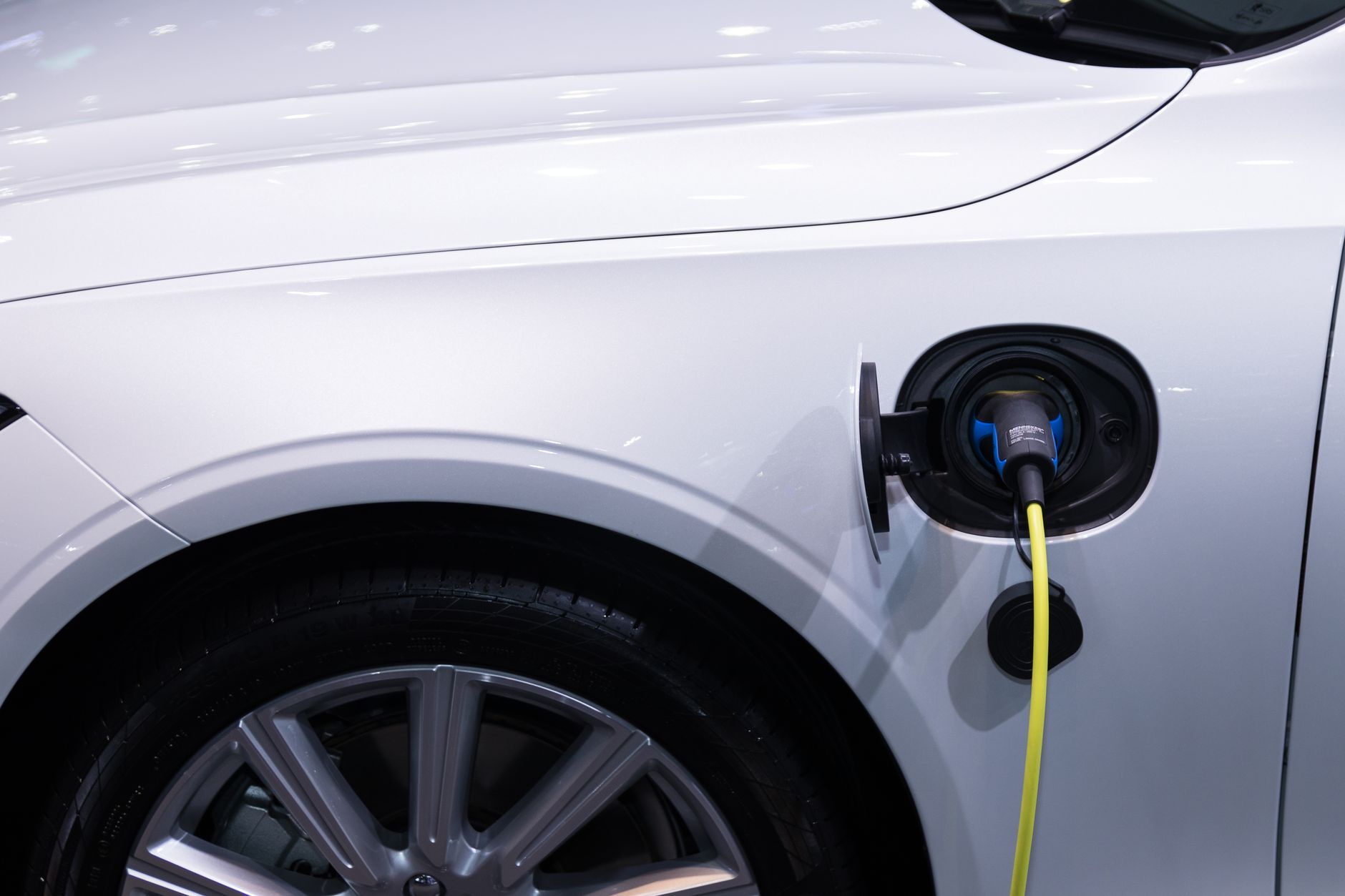
There’s one more cost to factor in if you’re charging at home: installing a Level 2 charging station. A dedicated 240-volt home charger — including the hardware and an electrician’s labor to run the circuit — typically costs between roughly $750 and $2,600, depending on how far your electrical panel is from where you park and whether the panel needs upgrading. It’s a one-time expense, and for most owners the savings from home charging pay it back within a year or two.
The takeaway: home charging is consistently the cheaper option, often by half or more, because you’re paying your utility’s flat residential rate instead of a premium, demand-based network rate. Superchargers remain useful — and often still cheaper than gasoline — for road trips or when home charging isn’t available, but for everyday driving, plugging in overnight at home is where the real savings are.
Photo by Rathaphon Nanthapreecha.