Tag: model-y

  • Tesla now sells a six-seat Model Y.

    Tesla now sells a six-seat Model Y.

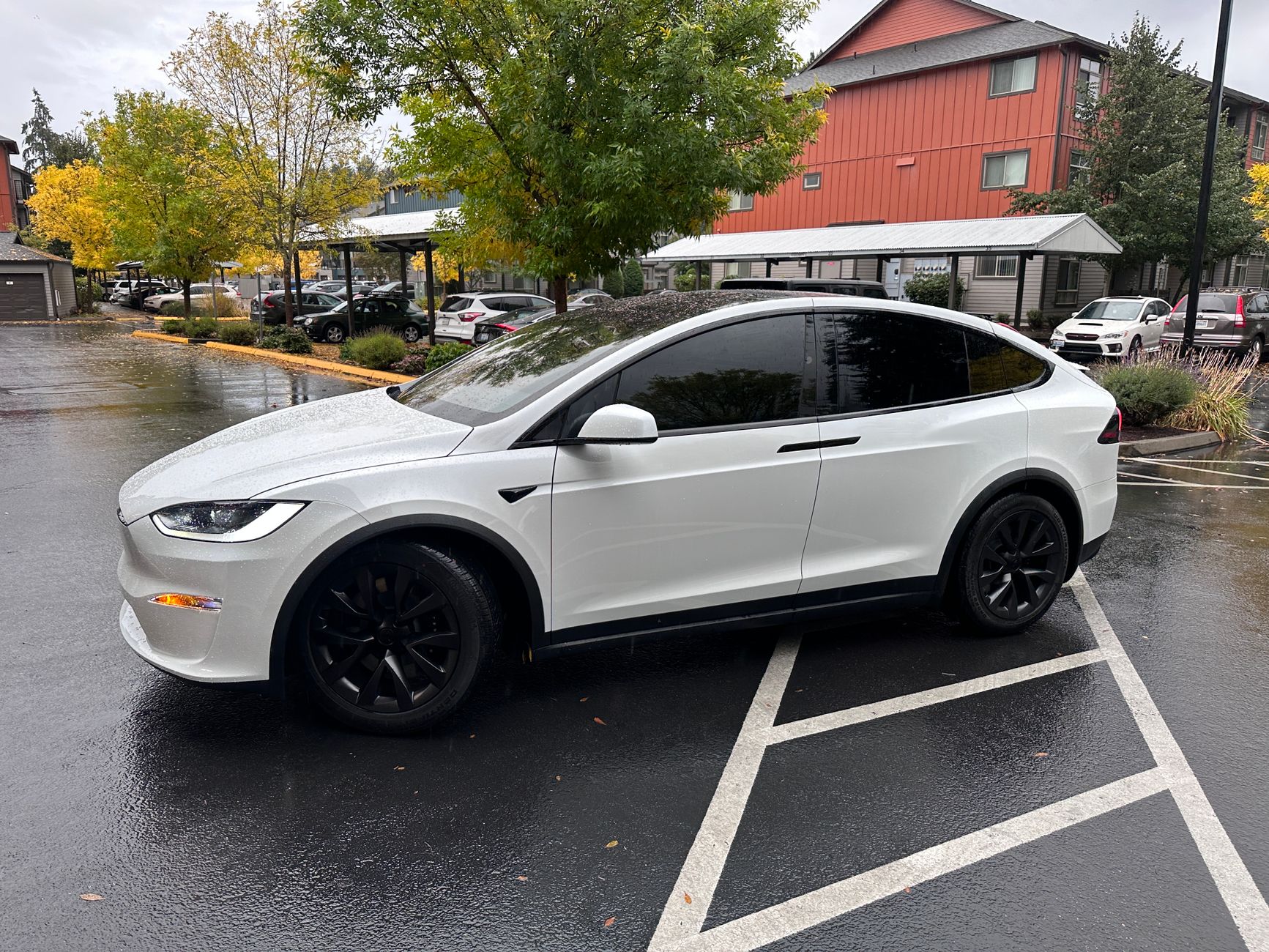
    Tesla has added a longer, three-row version of the Model Y to its US lineup. The Model Y L is now configurable online in the US and Puerto Rico, arriving first as a “Launch Series” priced at $61,990, according to Electrek.

    That makes it the most expensive Model Y you can buy today — more than the Performance trim’s $57,990 and well above the base rear-wheel-drive Model Y’s $39,990, per the same report.

    What’s different

    The Model Y L stretches the wheelbase by about 150mm (5.9 inches) and adds roughly 180mm (7 inches) to overall length — room Tesla uses for a genuine third row, rather than the cramped jump seats the standard Model Y introduced earlier this year. Seating is arranged 2+2+2: the second row gets heated, ventilated captain’s chairs with powered armrests and one-touch fold, and the third row gets heated, power-reclining seats with child-seat anchors.

    Other changes include 89 cubic feet of total cargo space, adaptive damping, staggered tires, upgraded acoustic glass, a 19-speaker audio system, a second-row 8-inch touchscreen, and 50W cooled wireless charging pads. Tesla rates the Model Y L at 325 miles of EPA-estimated range with all-wheel drive and a 4.4-second 0–60 mph time — quicker, and with more range, than most three-row electric SUVs it competes against.

    Should you buy the L instead of a regular Model Y?

    If you don’t regularly carry more than five people, the standard Model Y remains the cheaper, simpler choice — you’re not paying roughly $22,000 more for space you won’t use. The Model Y L makes sense specifically for buyers who need to seat six adults or older kids comfortably on a regular basis, something the standard Model Y’s third row was never really built for.

    It’s also worth knowing before you order: the Model Y L ships with FSD Supervised software included at launch. Trims and included features can change, so confirm current pricing and specs on Tesla’s own configurator before you place an order.

    Photo by Chenxi Yan.

  • What Does It Cost to Insure a Tesla in 2026?

    What Does It Cost to Insure a Tesla in 2026?

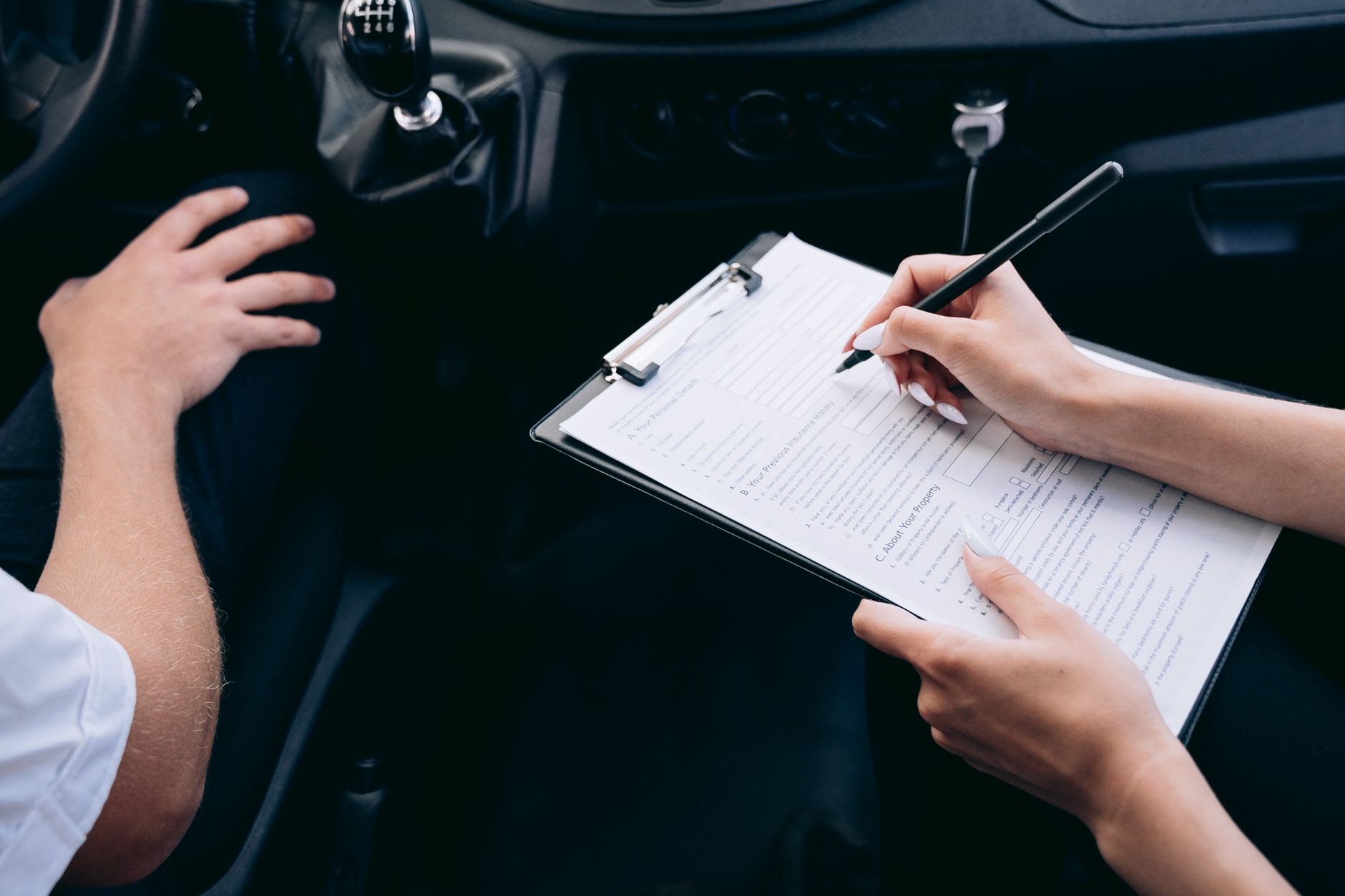
    Insuring a Tesla generally costs more than insuring the average new vehicle, and more than insuring the average electric vehicle from another brand. How much more depends heavily on which model you drive, where you live, and your own driving record — but a few data points can help you set expectations before you start shopping for quotes.

    As of June 2026, Insurance.com put full-coverage premiums at roughly $3,871 a year ($323/month) for a Tesla Model 3 and $3,836 a year ($320/month) for a Model Y. A separate analysis from Insurify, last updated July 2, 2026 and based on real-time quotes across its network of insurance partners, put the average across all Tesla models closer to $268/month for full coverage — a reminder that quoted averages vary by data source, driver profile, and methodology, so treat any single number as a ballpark rather than a quote. A third estimate from ValuePenguin, using a hypothetical 30-year-old driver with good credit in Texas as of June 30, 2026, priced the Model Y around $255/month and the Model 3 around $282/month full coverage.

    Whichever source you check, Teslas tend to cost more to insure than the typical new car. Insurance.com’s data put the overall Tesla average at about $4,512 a year, roughly 48% above its cited national average of $3,037 a year across all vehicles. That gap isn’t unique to Tesla: a broader Insurify report found electric vehicles overall cost about 42% more to insure than gas-powered cars ($3,159 vs. $2,218 a year), though that gap narrows to roughly 18% when comparing only 2024-model-year-or-newer vehicles, as safety tech becomes more standardized across the industry.

    A few factors specifically push Tesla premiums higher. Repair costs are a big one: collision-repair estimates cited by Insurance.com, drawing on Southern California body-shop data, averaged $3,914 for a Tesla versus $1,629 for a Honda. Insurers point to a few reasons for this: Tesla’s aluminum unibody construction often requires replacing larger panels rather than patching them, driver-assist sensors need recalibration after even minor collisions, and parts sourcing can be limited compared with higher-volume brands. Vehicle price also matters — a higher sticker price generally means a higher cost to replace or repair the car, which insurers factor into premiums. Your own driver profile (age, driving record, credit-based insurance score where allowed, and location) still plays the largest role in what you personally pay, the same as it would for any other vehicle.

    Tesla also sells its own policy, Tesla Insurance, directly through the Tesla app in 15 states: Arizona, California, Colorado, Florida, Illinois, Indiana, Maryland, Minnesota, Nevada, Ohio, Oregon, Tennessee, Texas, Utah, and Virginia. Outside California, Tesla’s Real-Time Insurance product prices coverage using your car’s own data rather than a separate tracking device. Drivers start with an assumed Safety Score of 90, which is recalculated monthly from the prior 30 days of driving and factors in behaviors like hard braking, speeding, and following distance, along with how much of your driving uses FSD (Supervised). Tesla states that premiums can adjust immediately when you change coverage, address, or drivers; monthly as your Safety Score, mileage, or FSD usage changes; and at renewal. California policyholders get a different Tesla Insurance product that doesn’t use Safety Score to set price, though they can opt in to see their score for informational purposes.

    Because quotes vary so much by insurer, state, and driver history, the practical step is to compare quotes from several carriers — including Tesla’s own program if it’s offered where you live — rather than relying on any published average as your expected price. Ask each insurer specifically how they treat EV repair costs and driver-assistance features, since that’s often where Tesla quotes diverge most from insurer to insurer.

    Photo by Mikhail Nilov.
  • Model Y vs. Model X: Which Fits Your Family

    Model Y vs. Model X: Which Fits Your Family

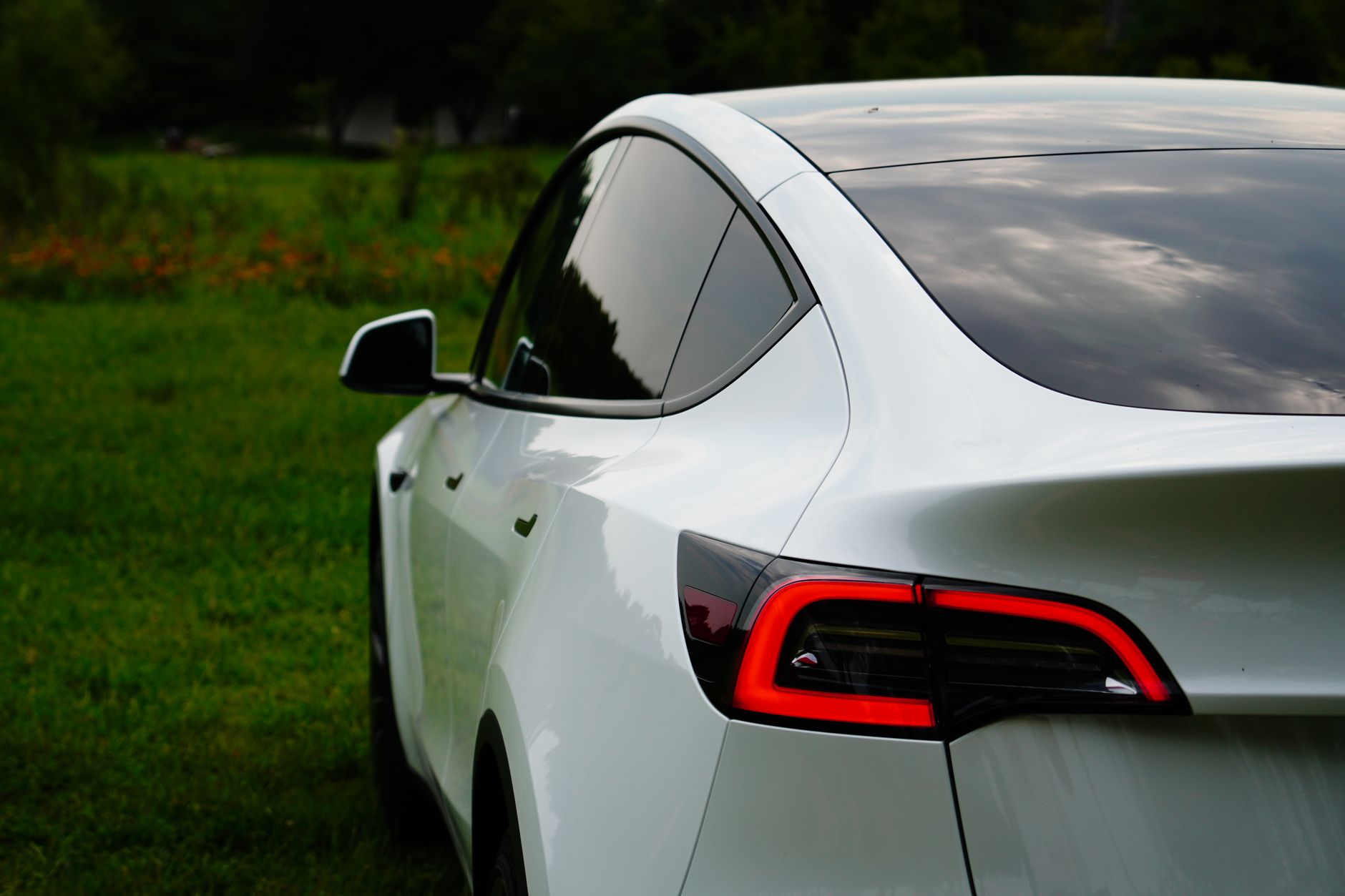
    Model Y and Model X are both Tesla SUVs, but as of July 2026 they are not competing on equal footing. Tesla ended Model X production in spring 2026, while it keeps expanding the Model Y lineup, including a new six-seat long-wheelbase version. Here is how the two compare for a family shopping today.

    Model Y starts at $41,630 for the Standard rear-wheel-drive trim, including destination and order fees, and runs up to about $59,000 for the Performance trim, according to Kelley Blue Book’s 2026 spec sheet. Tesla just added a longer six-seat version called the Model Y L, which launched in the US on July 2, 2026 at $61,990. Model X is a different story. Tesla stopped building new Model X vehicles in spring 2026 and closed custom orders, so buyers can only choose from shrinking leftover inventory. Remaining units got a $15,000 price increase in April 2026, and InsideEVs reported Plaid inventory units priced near $129,900, with other remaining units starting around $111,000. If you want a new Tesla SUV you can actually order today, that effectively means Model Y.

    Seating is where the two vehicles diverge most. The standard Model Y seats five, with a tight optional third row that pushes capacity to seven. The new Model Y L addresses that complaint with a 2+2+2, six-seat layout built on a 5.9-inch-longer wheelbase, adding heated captain’s chairs and its own touchscreen for second-row passengers. Model X offers five, six, or seven-passenger configurations across three rows, and reviewers generally find its third row roomier and easier to reach than the standard Model Y’s, partly because of its rear falcon-wing doors, which swing up rather than out and can make loading car seats easier in tight garages or parking spots, though they close more slowly than a conventional door.

    On range, Model Y trims run from 321 miles (Standard) up to 357 miles (Premium RWD), with the Performance trim rated at 306 miles and the new Model Y L rated at 325 miles. Model X ranges from roughly 335 to 352 miles depending on trim.

    Cargo space favors Model X modestly: about 88 cubic feet behind the front row with the rear seats folded, plus a 6.5-cubic-foot front trunk, according to Recharged’s measurements. The two-row Model Y holds about 76 cubic feet with its seats folded, while the longer Model Y L holds about 89 cubic feet, per Electrek. Towing tells a similar story: Model X can pull up to 5,000 pounds with the factory tow package, versus 3,500 pounds for any Model Y, a figure that drops further on seven-seat Model Y configurations paired with larger wheels.

    For most families cross-shopping these two today, the decision is simpler than it looks. If you need three usable rows of seating in a brand-new Tesla, the Model Y L is your only current option, and it costs tens of thousands of dollars less than what remains of the Model X. If you specifically want the Model X’s extra cargo room, higher tow rating, or falcon-wing doors, you will be shopping the used or remaining new-inventory market rather than ordering one built to your specs, since Tesla is no longer manufacturing it.

    Photo by dumitru B.