Tag: news

  • NHTSA just escalated its Cybercab investigation. Tesla has until September 30 to answer.

    NHTSA just escalated its Cybercab investigation. Tesla has until September 30 to answer.

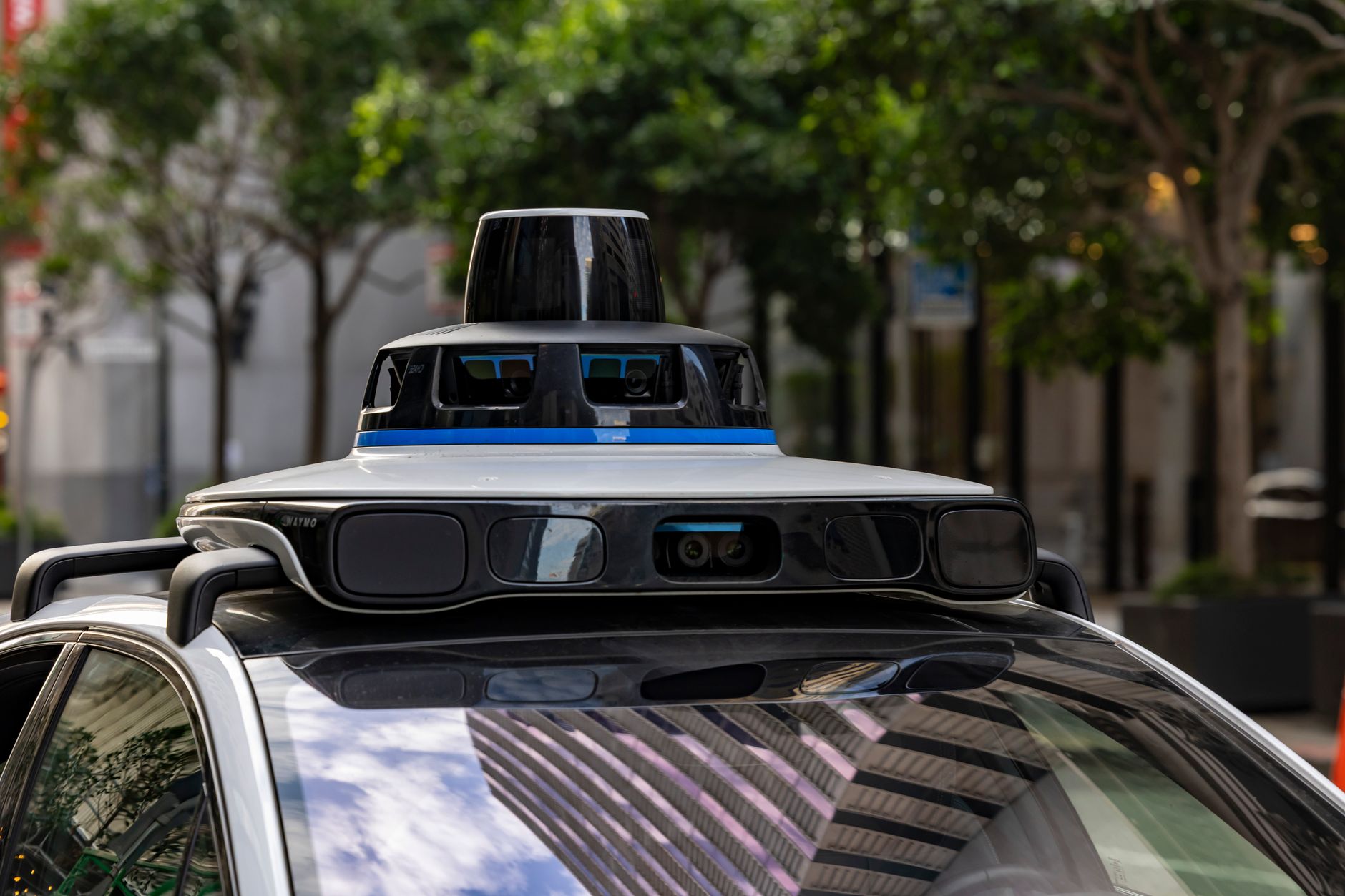
    The federal investigation into Tesla’s Cybercab has escalated. On September 10, 2026, the National Highway Traffic Safety Administration issued a formal special order demanding that Tesla explain, under oath, how a vehicle with no steering wheel, pedals, or mirrors complies with federal safety standards written for human-driven cars, according to Electrek. Tesla has until September 30 to respond.

    What NHTSA is asking

    NHTSA opened its initial audit query on September 4, hours after Tesla began commercial Cybercab service in Austin, Texas. The September 10 order sharpens that inquiry into 21 specific requests, including how the Cybercab satisfies Federal Motor Vehicle Safety Standard No. 135, which requires that “the service brakes shall be activated by means of a foot control,” whether Tesla used temporary manual controls during certification testing before removing them for delivery, and why the Cybercab hasn’t obtained the same Part 555 low-speed-vehicle exemption that competitor Zoox secured for its own driverless design, per Electrek’s reporting. The order is signed by NHTSA Chief Counsel Peter Simshauser and addressed to Tesla’s head of litigation.

    What’s at stake

    Tesla’s written response has to be signed under oath by a company officer. Electrek reports that incomplete or false answers can bring civil penalties of up to $139 million, and that perjury on a sworn federal filing carries potential criminal penalties, including prison time for the individual who signs it.

    None of this changes anything for a Tesla owner’s own car today — the investigation is specific to the two-seat, no-manual-controls Cybercab used in Tesla’s Austin robotaxi service, not to personally owned Model 3, Model Y, or Cybertruck vehicles using Full Self-Driving (Supervised). But it’s the clearest sign yet that regulators plan to closely scrutinize how Tesla certifies vehicles built without human controls before Cybercab service expands to more cities. Tesla’s September 30 deadline lines up with the end of the month, so a response — or a request for an extension — is worth watching for.

    Photo by Stephen Leonardi.
  • Tesla’s new ‘Accordion’ Supercharger folds out in half the time. It isn’t in the US yet.

    Tesla’s new ‘Accordion’ Supercharger folds out in half the time. It isn’t in the US yet.

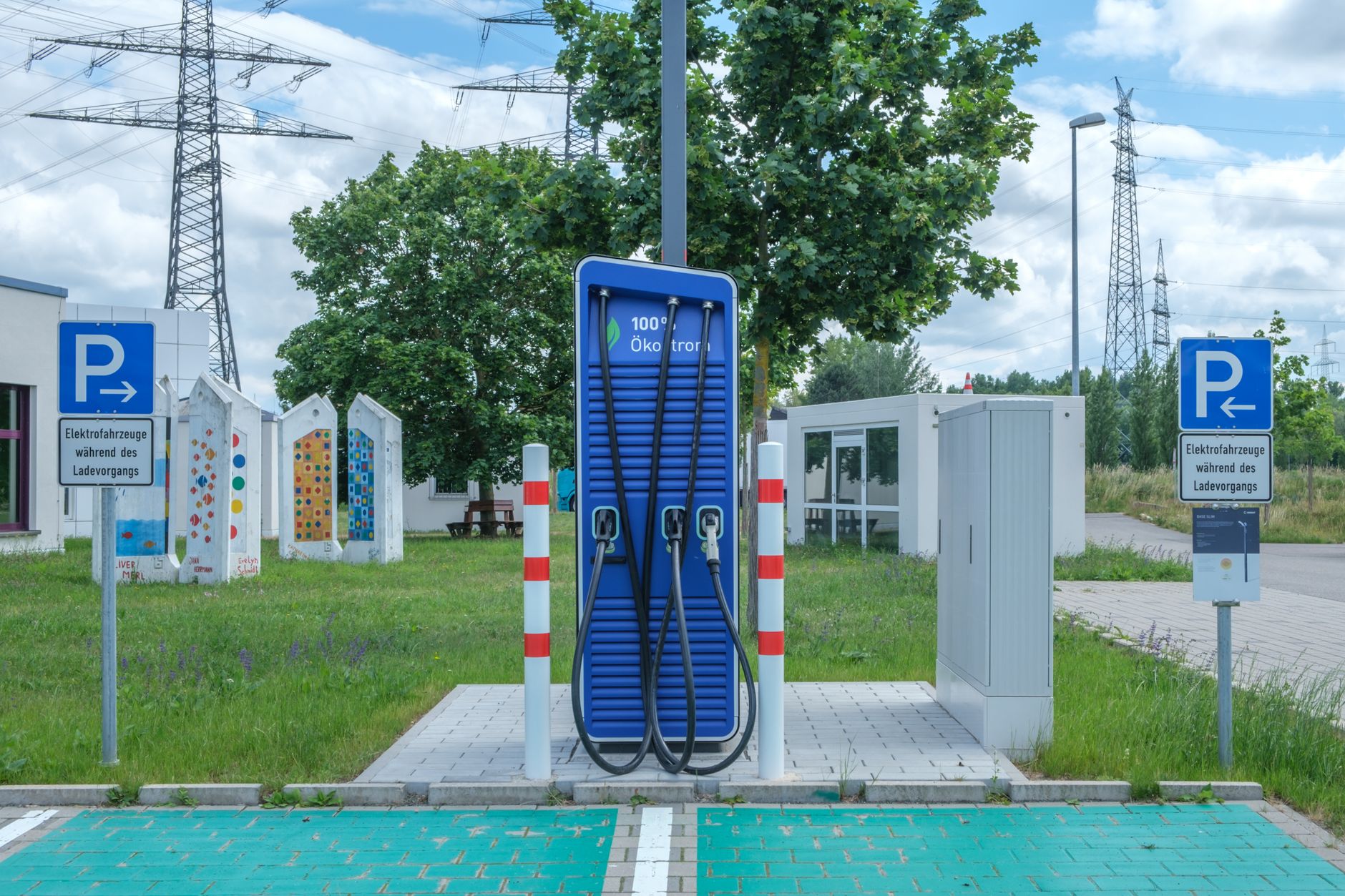
    Tesla deployed its first “Accordion” Supercharger on September 15, 2026 — a pre-assembled charging station that unfolds across a row of parking spaces instead of being built behind a curb, according to Tesla Charging.

    What makes it different

    A standard Supercharger site is built stall by stall, with trenching and electrical work done on location. The Accordion design ships a central V4 charging cabinet and 16 stalls’ worth of prefabricated charging posts on a single truck, already wired to snap into place once they arrive, Tesla Charging said. Tesla says the approach cuts installation costs by 20% compared to a conventional build, and Drive Tesla Canada reports that deployment time is roughly cut in half. “Our goal is to pre-assemble all Superchargers in a factory,” Tesla Charging said in its announcement.

    The design specifically targets sites where a curbside layout doesn’t work — tight retail parking lots and urban locations where stalls need to sit between parking rows rather than along an edge, as Electrek notes.

    Why it matters, and why it isn’t near you yet

    Tesla’s Supercharger network has kept growing, but its annual pace has slowed — from 35-45% growth in 2020-2021 down to roughly 17% by mid-2026, per Electrek’s analysis of Tesla’s own site-count data. A cheaper, faster way to build stalls in locations that were previously hard to site could help close that gap, especially in dense areas where an owner is more likely to be charging in a retail lot than at a highway exit.

    That said, the first unit is confirmed running in Europe, not the US, and Drive Tesla Canada notes the electrical conduit approach used in the design may need to be adapted for North American commercial wiring codes before it shows up at US sites. Tesla hasn’t given a timeline for a North American rollout as of this writing, so treat this as an early look at where Supercharger construction is headed rather than a change that affects your nearest station right now.

    Photo by Reinhard Bruckner.

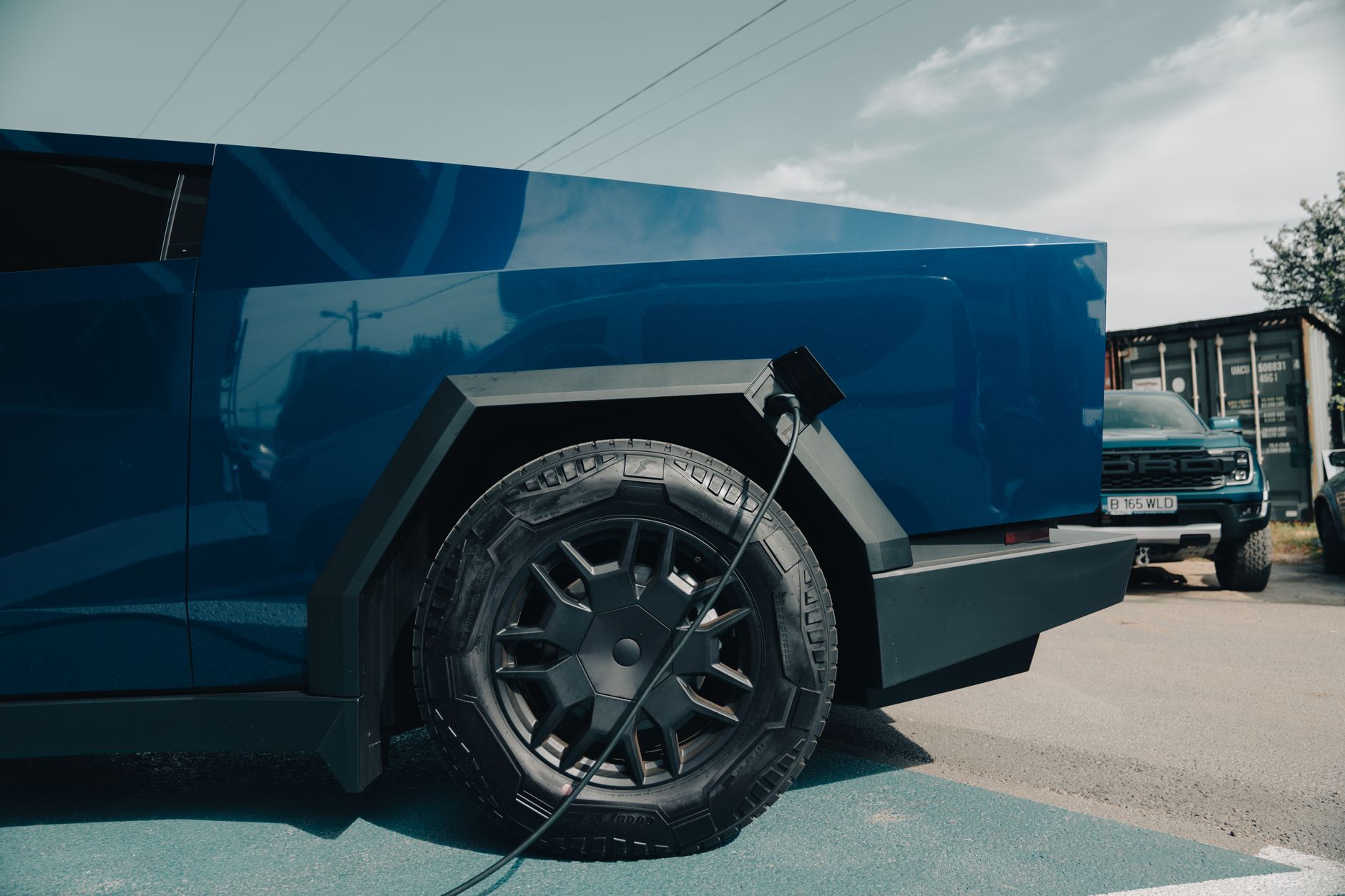
  • Tesla’s Cybertruck Powershare can now back up your home alongside a Powerwall 3.

    Tesla’s Cybertruck Powershare can now back up your home alongside a Powerwall 3.

    Tesla’s Cybertruck can now share power with a home at the same time as a Powerwall 3, ending a roughly year-long wait for owners who have both. The company announced the update on September 10, 2026, through its official Cybertruck account, saying the truck and Powerwall 3 “can now power your house together.”

    What changed

    Until this update, a Powershare-equipped home had to pick one backup source or the other — Cybertruck or Powerwall — because the two grid-forming devices couldn’t coordinate which one ran the house during an outage. Tesla says that coordination problem, plus certifying it across Powerwall generations, is why the feature arrived roughly a year behind its original target.

    What it adds

    With both systems paired, the Powerwall 3 keeps running the home the way it always has, and the Cybertruck’s 123 kWh battery extends that runtime by more than three days once the Powerwall’s own charge runs low. Tesla says that’s roughly the equivalent of adding nine more Powerwalls (each holds 13.5 kWh) worth of backup capacity, and the truck can feed up to 11.5 kW back into the house.

    What the setup requires

    Powershare needs a Universal Wall Connector and a Powershare Gateway, which together typically run about $4,000 installed — on top of the truck and the Powerwall itself. That puts this specific upgrade well outside what most new Tesla buyers need to think about; it’s a Cybertruck-plus-home-battery feature, not something that applies to a Model 3 or Model Y.

    Who’s covered so far

    The update covers only Powerwall 3 for now. Tesla says Powerwall 2 and later compatibility is planned for later in 2026, so owners with an older Powerwall aren’t left out permanently — just not yet.

    Photo by Florian Avramescu.

  • Tesla’s Robotaxi service now runs 6 a.m. to 10 p.m. across six cities.

    Tesla’s Robotaxi service now runs 6 a.m. to 10 p.m. across six cities.

    Tesla’s Robotaxi service now runs 6 a.m. to 10 p.m., seven days a week, across all six of its live markets — Austin, Dallas, Houston, Miami, Orlando, and Tampa — according to Tesla’s own announcement reported by Not a Tesla App on August 26, 2026. It’s a wider daily booking window than riders in most of those cities had before, and Tesla says it comes with a bigger unsupervised fleet and smarter routing behind it.

    What changed

    Austin’s unsupervised Robotaxi service had been running roughly 6 a.m. to 2 a.m., a schedule set last September before the service expanded into Dallas, Houston, Miami, Tampa, and Orlando. Tesla has now standardized hours across all six markets to the shorter 6 a.m.–10 p.m. window instead. Tesla says its unsupervised fleet is “a lot bigger” than before, and that upgraded vehicle-distribution and routing intelligence should mean shorter wait times for a ride — though the company hasn’t published exact vehicle counts. Independent community tracking puts the current unsupervised fleet at roughly 85 vehicles across all six cities, but that figure is an outside estimate, not a Tesla-confirmed number.

    Why the hours moved instead of just growing

    Some of the “growth” here may be existing vehicles shifting from supervised to unsupervised operation rather than new cars joining the fleet outright. Tesla has also reportedly found references to a “Roaming” feature for its upcoming Cybercab, which would let idle vehicles move toward busier areas on their own to cut wait times — a preview of how Tesla wants to manage fleet positioning as it scales, rather than something live for riders today.

    What it means if you own a Tesla

    This doesn’t touch your own car if you’re not in one of the six Robotaxi markets or don’t use the app — it’s about Tesla’s ride-hailing service, not a software update to personally owned vehicles. If you do ride-share in Austin, Dallas, Houston, Miami, Orlando, or Tampa, plan around the new 6 a.m.–10 p.m. window rather than the later hours some of these markets used to offer. The service’s unsupervised rides began in Austin in January 2026, after roughly seven months of supervised operation starting in June 2025 — worth keeping in mind as a still-young, geographically limited service rather than a nationwide robotaxi network.

    Photo by Makara Heng.

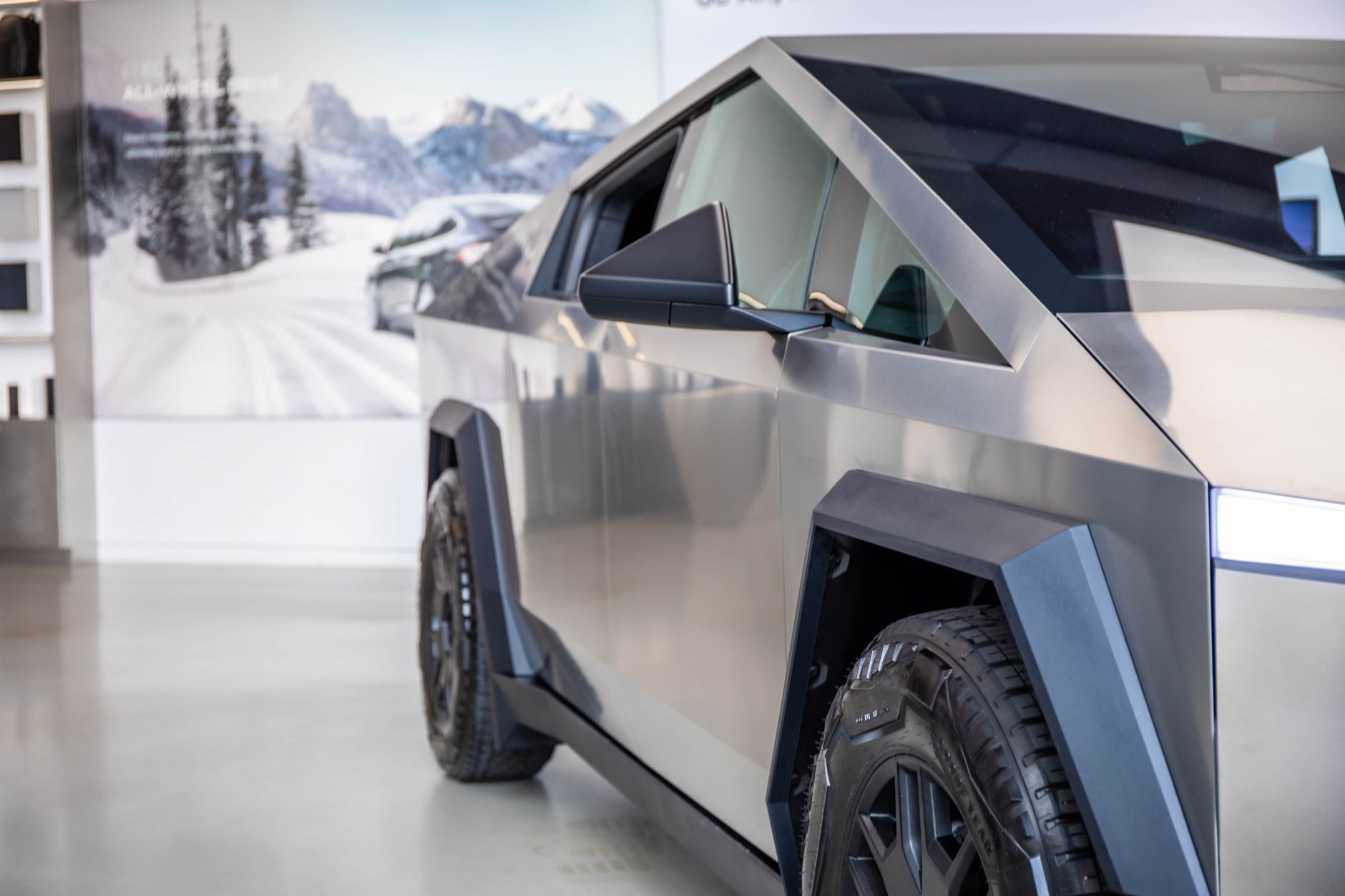
  • Tesla raised Cybertruck prices by $5,000. Here’s what it means for buyers.

    Tesla raised Cybertruck prices by $5,000. Here’s what it means for buyers.

    Tesla raised Cybertruck prices by $5,000 across two of its three trims on August 24, according to Electrek. If you’re shopping for a Cybertruck, here’s what actually changed.

    What the new pricing looks like

    The Dual Motor All-Wheel Drive trim went from $69,990 to $74,990, and the Premium All-Wheel Drive trim went from $79,990 to $84,990 — both $5,000 increases. The top Cyberbeast trim held steady at $99,990. Tesla didn’t announce the change; it simply updated the order pages.

    Worth knowing if you’ve been watching the price: earlier this year, Tesla briefly sold the same Dual Motor Cybertruck for around $60,000 during a promotional stretch. Buyers ordering today are paying about $15,000 more for essentially the same truck.

    Why now, and what it means for your order

    The increase comes as Cybertruck production is running well below plan. Electrek reports Tesla’s Cybertruck facility is building at roughly 10% of its planned 250,000-unit annual capacity, with U.S. sales under 20,000 a year and about 3,000 trucks sitting in inventory. A price increase during a demand slump is unusual, but it does line up with Tesla’s broader 2026 pattern of protecting margin over chasing volume on this model — the opposite of the discounting it leaned on with Model 3 and Model Y earlier in the tax-credit transition.

    For a prospective buyer, the practical takeaway is simple: check the configurator for current pricing before you order, since Tesla can — and does — adjust Cybertruck prices with no advance notice. If you already have an order in at the old price, that price should still be honored; changes like this typically apply only to new orders placed after the update.

    If you’re cross-shopping trucks, remember the Cyberbeast’s price held flat, which narrows the gap between it and the now-pricier Premium trim — worth factoring in if all-wheel-drive performance matters to you.

    Photo by Richard Harris.

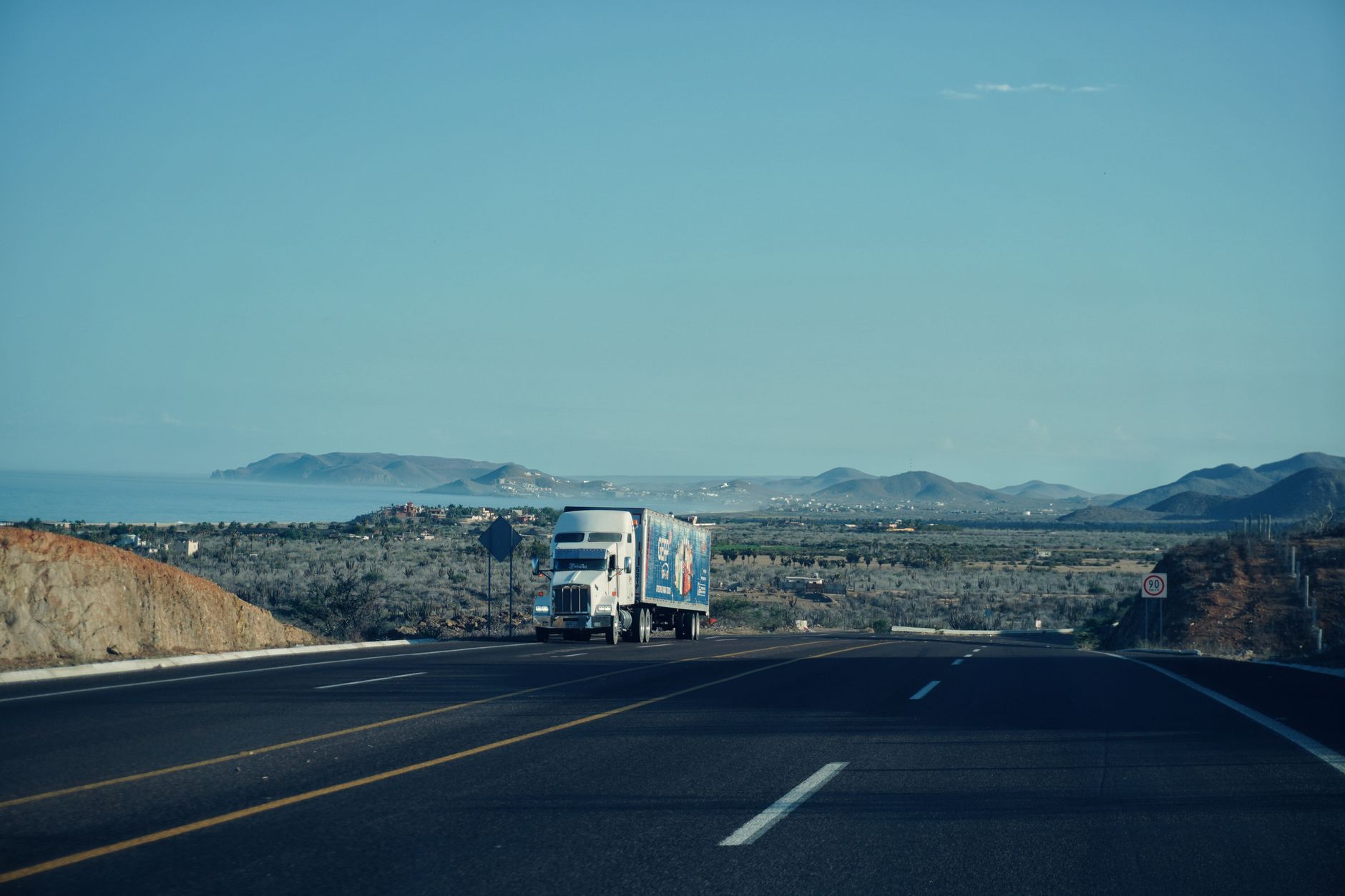
  • Tesla Semi just landed its biggest order yet — 500 trucks.

    Tesla Semi just landed its biggest order yet — 500 trucks.

    Tesla’s Semi program picked up its largest order to date: 500 electric trucks bought by Einride, a Swedish freight technology company, in a deal Teslarati reported on August 18.

    Who’s actually buying, and why it’s not Amazon’s order

    Einride, not Amazon, is the buyer — the trucks will run on Einride’s own fleet software platform and serve Einride’s freight customers, which include Amazon among others. The 500 Semis roll out over the next two years across California, Texas, New Jersey, Illinois, and Georgia, with the first units arriving in September 2026, built at Tesla’s Sparks, Nevada plant. Einride’s CEO called it “proof point that we can execute at the scale our customers demand,” while Tesla’s Semi program director pointed to lower cost-per-mile from fuel and maintenance savings as the pitch to freight operators.

    Why this matters beyond the truck itself

    The Semi has moved slowly from early pilot programs with companies like Frito-Lay and PepsiCo toward larger commercial fleets, and an order this size is a real signal that logistics companies are willing to commit at scale — not just proof-of-concept numbers.

    The Electric Viking covers the order on his channel:

    The video’s framing leans toward the more dramatic “for Amazon” angle — the sourced facts above are the more precise version of who’s actually placing the order.

    Photo by Omar Gerardo.

  • Nevada approved up to 5,000 Tesla robotaxis in Las Vegas.

    Nevada approved up to 5,000 Tesla robotaxis in Las Vegas.

    The Nevada Transportation Authority approved commercial robotaxi permits on August 20 that let Tesla operate up to 5,000 driverless vehicles in Clark County, home to Las Vegas, over the next 12 months. Waymo and Uber received permits as well, according to TechCrunch’s report on the ruling.

    What was actually approved

    Tesla’s permit authorizes up to 5,000 robotaxis; Waymo’s caps out at 1,000, and Uber’s separate permit — covering vehicles operated through its Motional and Zoox partnerships — allows another 1,000, plus a smaller existing Zoox permit for 100 vehicles. That puts the combined ceiling for all operators at roughly 8,000 vehicles across the county. The permits followed an earlier, far more limited approval in July that capped Tesla at just 10 vehicles with a 45-mph speed limit and other restrictions, according to InsideEVs.

    The 5,000-vehicle number is a ceiling, not a deployment plan. Tesla’s Cybercab chief engineer told reporters, “The 5,000 has always been a ceiling for us. I don’t think we’ll be in a position by this time next year to deploy 5,000 vehicles” — adding that Tesla would be satisfied reaching around 2,500 robotaxis on Nevada roads within the year, per TechCrunch.

    What it means for owners

    This permit governs Tesla’s own robotaxi fleet, not personal vehicles running Full Self-Driving — it doesn’t change what your car can do or unlock any new features. It does mark Nevada as the newest market in Tesla’s expanding robotaxi footprint alongside cities like Austin and Miami, and it’s a real signal of how fast (or slowly) that network is actually scaling relative to the permits Tesla is requesting. Local taxi and livery operators opposed the approval, citing concerns about oversaturating Las Vegas roads.

    Photo by David Vives.

  • Tesla files plans for a $10.1 billion solar factory in Texas.

    Tesla files plans for a $10.1 billion solar factory in Texas.

    Tesla has filed plans for a $10.1 billion solar manufacturing plant in Fort Bend County, Texas, according to Electrek’s review of the state filing. The project, internally named “Project Crystal Sun,” would sit on roughly 3,050 acres near Richmond, just outside Houston.

    What the filing describes

    Unlike most U.S. solar manufacturing today, which assembles modules from cells imported from Asia, the plant would handle production start to finish: ingot manufacturing, wafer manufacturing, coating, metallization and printing lines, cell testing, and cleanrooms, per Electrek’s reporting. Tesla filed for a Texas state tax incentive tied to the project, a standard step for a facility this size, according to pv magazine USA. Construction is planned for 2026 through 2028, with commercial production targeted for the first quarter of 2029. The filing estimates 9,712 permanent jobs at full buildout.

    Why it matters if you own a Tesla

    Tesla’s business isn’t only cars. Its Energy division sells the Powerwall home battery and Solar Roof, and plenty of Tesla owners pair one of those with home charging. A domestic, vertically integrated cell plant would let Tesla source solar cells for those products without relying on imports — but the filing doesn’t specify pricing, output targets, or which products the cells would supply, and commercial production is still roughly three years out.

    Worth keeping in perspective

    A state filing is not a groundbreaking. It’s an early, if serious, step: Tesla has revised or delayed large projects before, and permitting, financing, and construction all have to happen before Project Crystal Sun produces anything. Treat this as a plan to watch, not a done deal.

    Photo: Nova lv via Pexels.

    Photo by Nova lv.

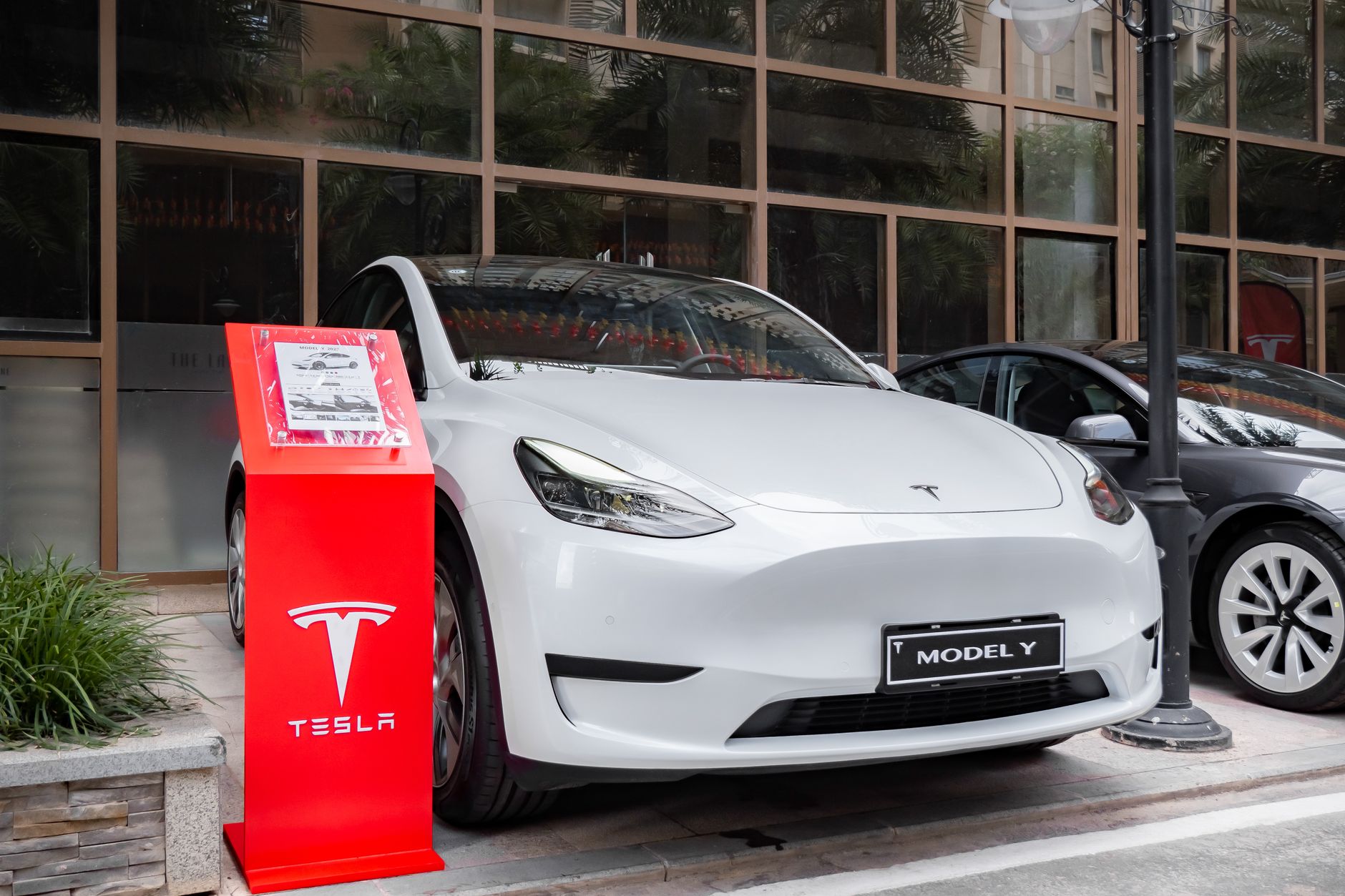
  • Tesla recalls 20,349 Model 3 and Model Y cars for headlights that shine too bright.

    Tesla recalls 20,349 Model 3 and Model Y cars for headlights that shine too bright.

    Tesla is physically recalling 20,349 vehicles in the United States because their low-beam headlights can shine brighter than federal rules allow. The company filed the report with the National Highway Traffic Safety Administration on August 4, 2026, in a campaign tracked as NHTSA recall 26V507.

    The recall covers 18,735 Model Y vehicles from model years 2020–2023 and 1,614 Model 3 vehicles from model years 2017–2023. What connects them isn’t the car’s age — it’s a specific part. Affected vehicles either left the factory with, or had a service visit install, a headlamp assembly from supplier Marelli Automotive Lighting carrying a manufacturing date of June 2, 2023, or later. In testing, those headlamps put out more light than allowed in the upper-left and upper-right corners of the federally defined low-beam pattern — bright enough, per InsideEVs’ reporting, to reduce visibility for oncoming drivers and raise crash risk, even though a driver behind the wheel likely wouldn’t notice anything different from inside the car.

    This isn’t a software fix. Tesla hasn’t finalized a remedy — the company hasn’t said publicly whether the repair will replace the headlamp assembly or re-aim it — but whatever it turns out to be will require a trip to a service center or a mobile service appointment, not an over-the-air update.

    Tesla plans to start mailing formal recall notices around September 15, 2026, though many owners are expected to see the notice inside the Tesla app before the letter arrives. If you own a 2017–2023 Model 3 or a 2020–2023 Model Y, the fastest way to check your specific car is to look up your VIN through NHTSA’s recall search or watch for a notification in the Tesla app under your vehicle’s alerts. This is a repair recall, not a stop-drive order — Tesla hasn’t asked owners to park the car in the meantime, only to expect a service visit once a fix is finalized.

    If your car doesn’t show up in the recall lookup, no action is needed. Because the affected headlamp assemblies were also used in some service replacements, a car outside the original 2017–2023 Model 3 or 2020–2023 Model Y range could still be included if it received a headlight repair after mid-2023 — VIN lookup, not model year alone, is the reliable check.

    Photo by Nicat Teymurov.

  • Tesla’s robotaxi service reaches seven cities. Its driverless fleet still isn’t growing.

    Tesla’s robotaxi service reaches seven cities. Its driverless fleet still isn’t growing.

    Tesla’s robotaxi service expanded into two more Florida cities on July 21, when the company’s @Robotaxi account posted that the service was now live in Tampa and Orlando, weeks after the same ride-hailing app launched in the Miami area on July 3. That brings Tesla’s robotaxi footprint to seven metro areas: the Bay Area, Austin, Dallas, Houston, Miami, Orlando, and Tampa.

    As with every market Tesla has opened outside Austin so far, the Tampa and Orlando launches started small, and rides in the new markets still have a Tesla employee riding along as a safety monitor rather than running with nobody in the driver’s seat.

    Austin’s fleet isn’t scaling up

    The bigger story for owners tracking Tesla’s self-driving progress is what’s happening in Austin, the one city where Tesla has run robotaxis without a safety monitor since mid-2025. According to the same report, Austin’s unsupervised fleet has plateaued at roughly 17 vehicles, down from a peak of about 25 cars in late April 2026, even after a full year of operation and a service area that now covers the whole metro. Combined with a similarly small unsupervised fleet in Dallas, Tesla’s total driverless car count sits around 21 vehicles nationwide.

    That matters beyond Austin and Dallas commuters. Tesla has told shareholders that robotaxi and unsupervised Full Self-Driving are central to the company’s long-term value, and the pace at which the unsupervised fleet grows (or doesn’t) is one of the clearest public signals of how close that technology actually is to wide deployment. For now, the geographic map is growing faster than the driverless fleet itself.

    What this means if you own a Tesla

    If you’re hoping to eventually earn money renting out your own car through a future Tesla robotaxi network, or you’re just curious how close unsupervised FSD is to your own commute, the Tampa and Orlando launches are a sign the ride-hailing app is expanding, but they’re staffed launches, not proof that unsupervised driving is scaling. Owners in Florida can now try Tesla’s robotaxi app as a passenger in three metro areas; everyone else is still watching Austin’s fleet count as the more telling number.

    Photo by Reinaldo Simoes.