Tag: range

  • How much should you charge your Tesla every day?

    How much should you charge your Tesla every day?

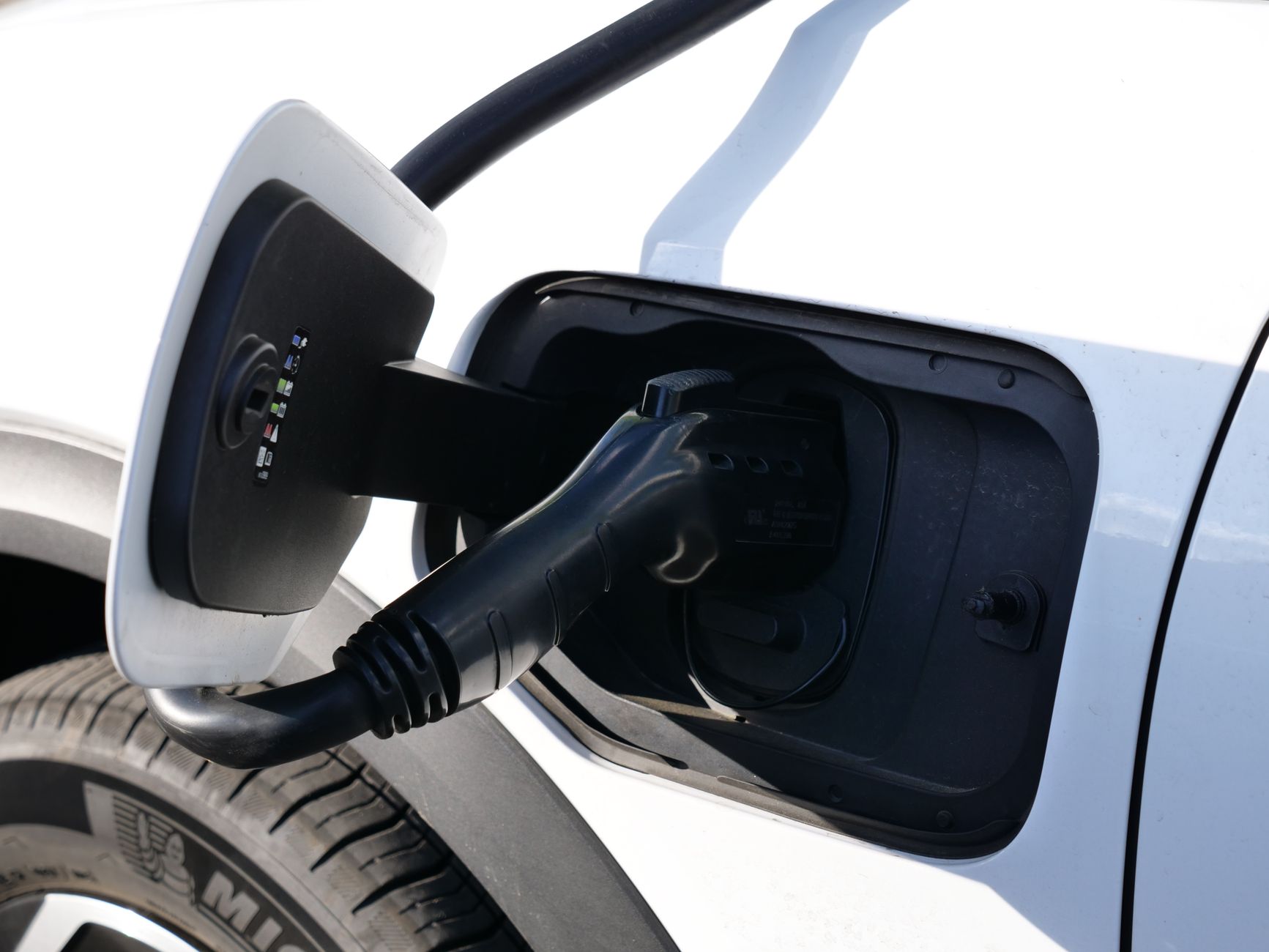
    New owners often ask the same question in the first week: should you charge to 100% every night, or hold back? The honest answer is that it depends on your specific car, and Tesla built the answer right into the vehicle rather than printing one universal number.

    The current Tesla owner’s manual tells owners to check the touchscreen (Controls > Charging) or the Tesla app for their car’s recommended daily and trip charging limits, since different battery chemistries call for different routines. Tesla’s own range support page spells out the general idea for most vehicles: “For vehicles with a recommended daily charge limit of 80%, keep the charge limit set to 80% for daily use… Only increase it to 100% when necessary, such as before a long road trip.”

    There’s an important exception. Many Standard Range Model 3 and Model Y vehicles use LFP (lithium iron phosphate) battery packs, which behave differently than the nickel-based packs in other trims. For LFP cars, Tesla’s guidance flips: charge to 100% for daily use, and do a full 100% charge at least once a week to keep the battery’s charge gauge properly calibrated. Your car’s touchscreen will tell you if this applies to you — it’s a chemistry difference, not a suggestion you need to guess at.

    The reasoning behind holding back on non-LFP packs comes down to voltage stress: keeping a battery near full charge for long stretches accelerates the chemical wear that gradually reduces range. That said, the picture isn’t entirely simple even for LFP packs. A study covered by InsideEVs in August 2024, co-authored by a Tesla-funded battery researcher, found that cycling an LFP cell repeatedly near full charge can still be detrimental to long-term health — a nuance that complicates a blanket “100% every day” rule even for LFP cars.

    How much does any of this matter in practice? Real-world numbers suggest most owners don’t need to obsess over it. Citing Recurrent’s analysis of nearly 900,000 Model 3 and Model Y vehicles, Green Car Reports found that 3-year-old cars retained about 64% of their EPA-rated range under real-world driving conditions — a figure that reflects weather, driving habits, and other factors alongside pure battery aging, not battery degradation alone.

    The practical takeaway: check Controls > Charging on your own car’s touchscreen to see your recommended limit, follow it for daily driving, and bump up to 100% only when you actually need the extra range for a trip.

    Photo by Giant Asparagus.
  • What summer heat does to your Tesla’s range.

    What summer heat does to your Tesla’s range.

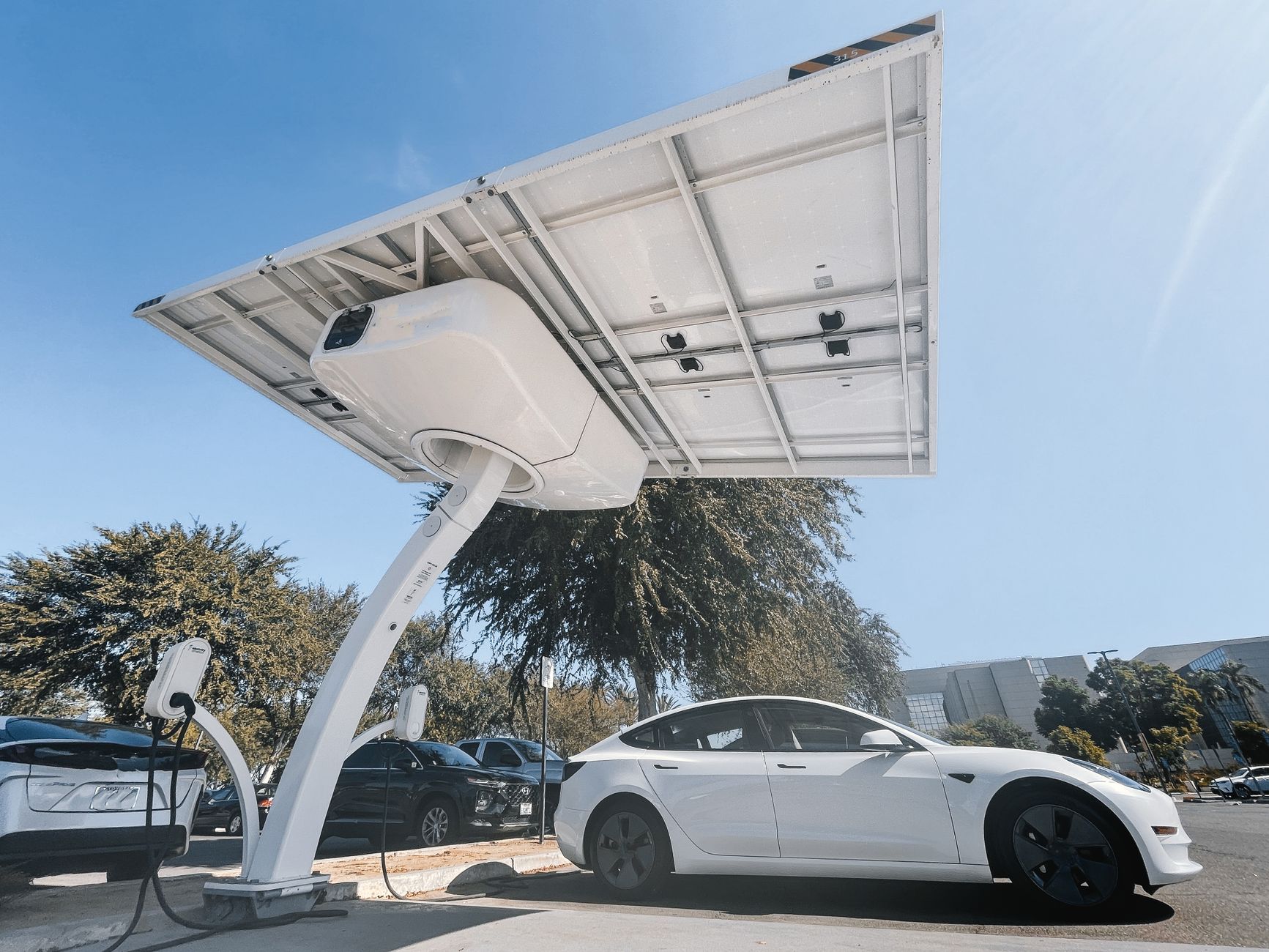
    Heat cuts into a Tesla’s driving range and slows down fast charging more than most owners expect, and early July is when that starts to show up. Most of the loss is manageable with a few habits rather than a mechanical problem.

    How much range you actually lose

    An analysis of real-world data from more than 7,500 electric vehicles by Recurrent, a battery-research firm, found that range loss stays minor through most of summer, then climbs fast: about 2.8% at 80°F, 5% at 90°F, 15% at 95°F, and 31% at 100°F. The same data showed Tesla models held the most consistent range readings of any brand tested across that temperature range, though they returned only about 60% of their EPA-rated range even in mild, 60°F weather.

    Real-world driving in extreme heat can land worse than those averages suggest. In a highway test through southern Spain at temperatures up to 111°F, a Tesla Model 3 Long Range covered 244 of its rated 436 miles, a 44% shortfall, a bigger gap than the other cars in the test. Testers attributed part of that to the car’s full glass roof, which pushed the air conditioning harder.

    Why DC fast charging slows down too

    Heat doesn’t just drain the battery faster, it slows how fast you can refill it. Fast charging in high heat can lead to slower charging speeds because the battery management system throttles current to keep cells from overheating, according to charging network ChargePoint. Charging experts told InsideEVs that summer heat is actually harder on charging speed than cold winter temperatures are.

    What you can do about it

    Precondition the cabin while the car is still plugged in. Tesla’s Scheduled Departure feature times charging and cabin preconditioning together, so the interior is already cool when you get in, using power from the wall charger instead of the battery. Cabin Overheat Protection works the same way, keeping the interior below 105°F using either air conditioning or outside-air circulation, depending on the setting.

    Park in the shade when you can. Starting a drive or a charging session with a cooler cabin and battery pack means the air conditioning and battery cooling system don’t have to work as hard, according to InsideEVs’ summer charging guidance.

    Cap your daily charge limit around 80%. Charging past that point is already slower on any lithium-ion battery, and stopping there keeps the pack cooler and reduces long-term degradation.

    Check tire pressure in the morning, before the car has been driven or sat in direct sun. Pressure climbs by roughly 1 PSI for every 10°F rise in temperature, and both under- and over-inflated tires increase rolling resistance and cut range.

    If you’re stopping at a Supercharger on a hot day, navigate there directly from the car so it can precondition the battery while you’re still driving. That warms the pack to its ideal charging temperature ahead of time, which helps it accept a faster charge rate as soon as you plug in.

    Photo by Kindel Media.