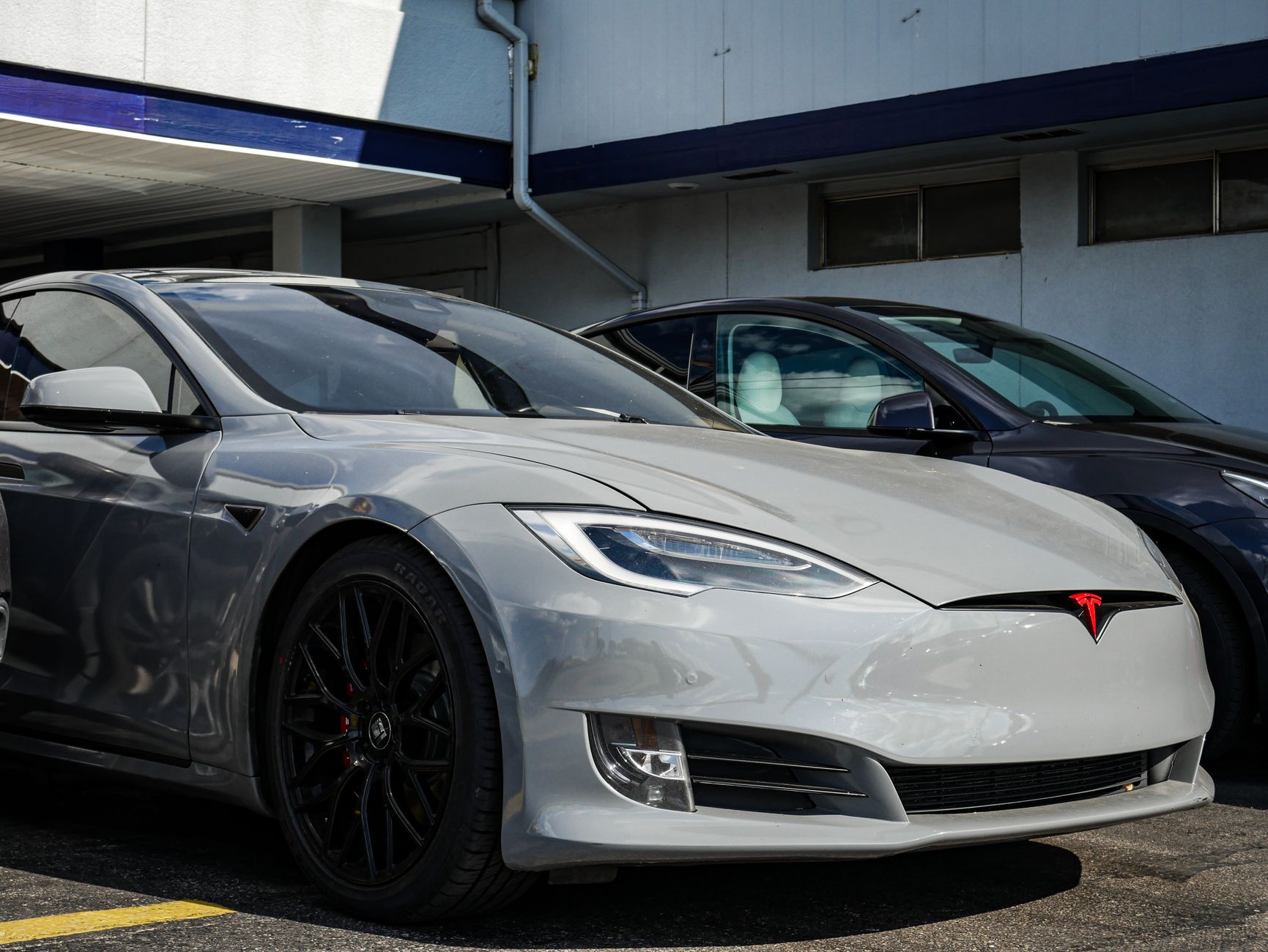
The Model 3 and Model S sit at opposite ends of Tesla’s lineup: one is the brand’s entry-level sedan, the other its flagship. The price gap between them is over $55,000, so it’s worth being clear about what that money actually buys before you decide which one to order.
Pricing and range
Per Edmunds’ 2026 Model 3 pricing guide (prices include destination fee), the Model 3 starts at $38,380 for the Standard trim, rated for 321 miles of EPA-estimated range and a 5.8-second 0-60 mph time. Moving up, the Premium RWD ($43,880) actually gets more range than the Standard, at 363 miles, thanks to its wheel setup, while the Premium AWD ($48,880) trades a little range (346 miles) for all-wheel drive and quicker acceleration (4.2 seconds). The Performance trim tops the range at $56,380, with a 2.9-second 0-60 time and 309 miles of range.
The Model S starts at $96,380 for the base Long Range trim, EPA-rated for 410 miles and a 3.1-second 0-60 time, which is quicker than every Model 3 trim except Performance. The Model S Plaid, at $111,380, adds a third motor and drops 0-60 to 2.3 seconds, with EPA range of 368 miles on its standard 19-inch wheels (309 miles on the optional 21-inch wheels).
What the extra money buys, beyond the spec sheet
The Model S’s biggest advantages over the Model 3 aren’t just numbers: it has more interior space, a longer wheelbase for a smoother ride, and a larger trunk plus a bigger frunk. It’s also Tesla’s most quiet and refined car on the highway. The Model 3, meanwhile, is the easier car to park, insure, and live with day to day for most first-time owners, and its Premium RWD trim actually beats the base Model S on range for well under half the price.
Which one fits you
If your budget is under $50,000 and you want the best range-per-dollar in Tesla’s lineup, the Model 3 Premium RWD is hard to beat. If acceleration matters more than anything else and cost isn’t the deciding factor, Model 3 Performance and Model S Plaid are both genuinely fast cars, with the Plaid’s 2.3-second 0-60 time in a different league from anything else Tesla sells. And if you want flagship interior space, ride quality, and features and the price doesn’t change your decision, the Model S is built for exactly that buyer, not for out-value-ing the Model 3.
For most new Tesla owners weighing cost against features, the Model 3 remains the more practical starting point; the Model S is a deliberate upgrade for buyers who specifically want a larger, faster flagship sedan.
Photo by HRK Gallery.
Leave a Reply