Blog

  • The $7,500 federal tax credit is gone. Here’s what still helps in 2026.

    The $7,500 federal tax credit is gone. Here’s what still helps in 2026.

    If you’re shopping for a Tesla in July 2026, plan your budget without the $7,500 federal tax credit. It’s gone. Congress ended the New Clean Vehicle Credit, the Previously-Owned Clean Vehicle Credit, and the Commercial Clean Vehicle Credit for any vehicle acquired after September 30, 2025, according to the IRS’s own clean vehicle tax credit page. The cutoff came from the One Big Beautiful Bill Act, which Tesla’s incentives page notes was signed on July 4, 2025 and moved up the credit’s expiration by several years.

    There is one narrow exception. If you signed a binding purchase contract and made a payment on or before September 30, 2025, you may still be able to claim the credit on your tax return even if the car was delivered later, per IRS guidance. For anyone buying now, that window has closed, and no new federal purchase credit has replaced it.

    A smaller federal break: loan interest, not a purchase credit

    The same law created a consolation prize: a deduction for interest paid on new-vehicle loans. You can deduct up to $10,000 a year in car loan interest, according to IRS guidance on the new deduction. It applies to loans that originated after December 31, 2024, and it’s a deduction (it lowers your taxable income), not a credit that cuts your tax bill dollar for dollar, so the real-world savings are smaller than the number suggests.

    There are catches worth knowing before you count on it. Per Tesla’s own summary of the rule, the vehicle must be new, weigh under 14,000 pounds, and have its final assembly point in the United States — Tesla’s Model 3, Y, S, and X are built in Fremont, California, or Austin, Texas, so they generally qualify. The deduction also phases out for individuals with modified adjusted gross income over $100,000 (or $200,000 for joint filers), used vehicles and leases don’t count, and you’ll need to itemize using a new IRS schedule to claim it.

    The home charger credit already expired

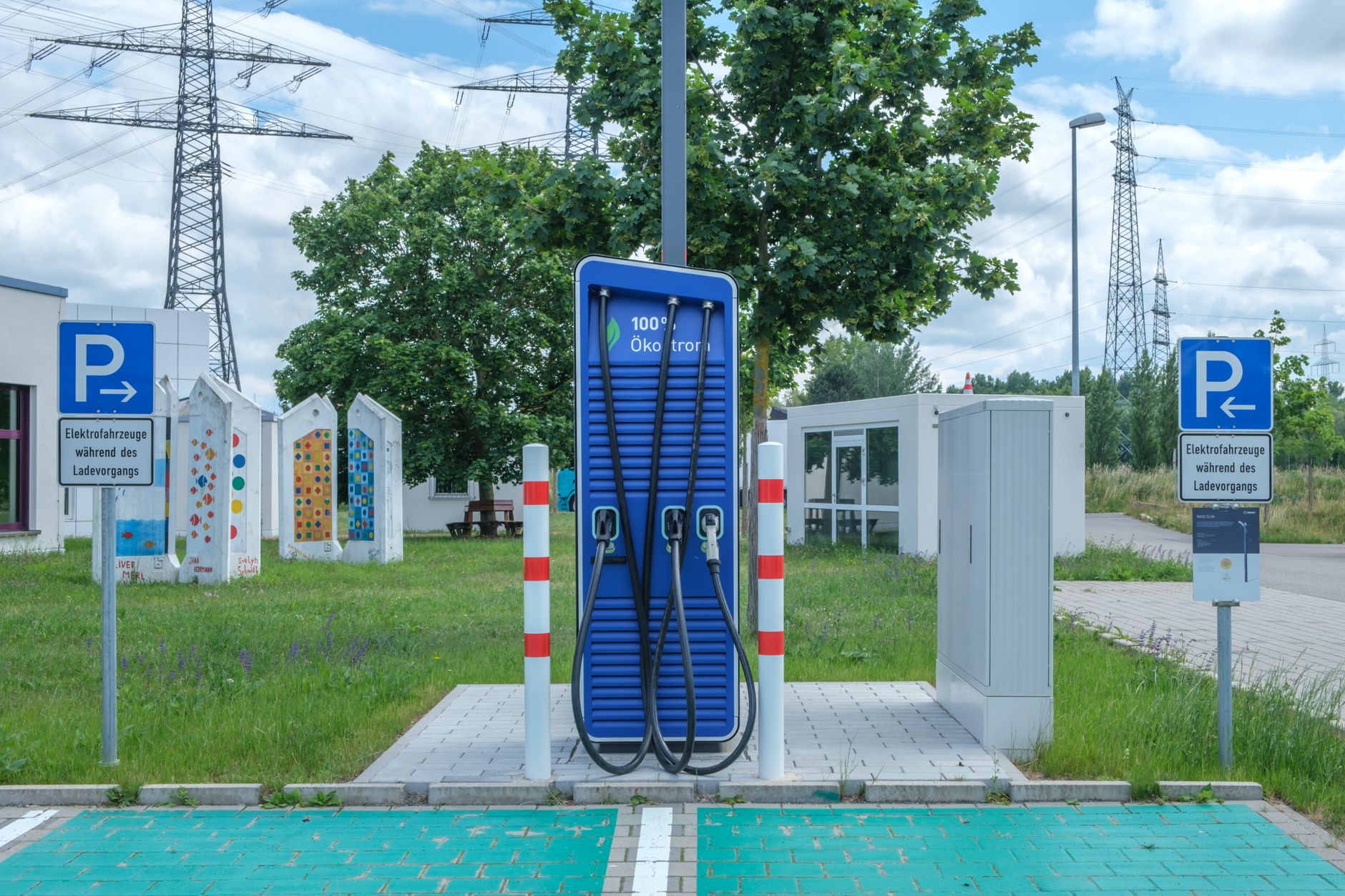
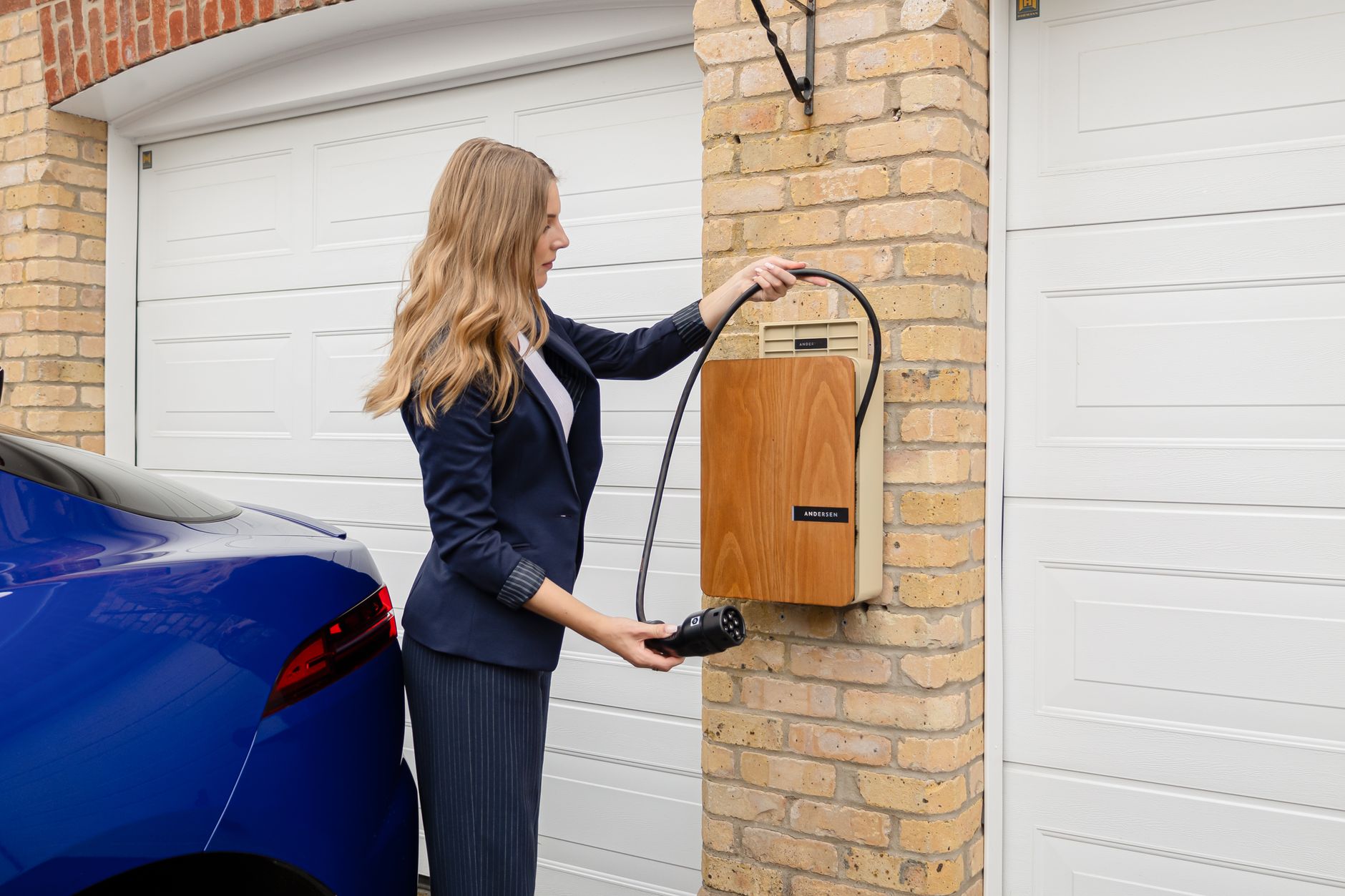
    If you were also counting on a tax break for installing a home charger, that window has just closed. The federal Alternative Fuel Vehicle Refueling Property Credit, which covered 30% of hardware and installation costs up to $1,000, was only available for chargers placed in service through June 30, 2026, according to the IRS page on the credit. As of this writing, that deadline has already passed, and the credit is no longer available for new installations.

    State incentives: what’s left is a patchwork, and it changes fast

    With federal purchase credits gone, state and utility programs matter more than ever, but they vary enormously by where you live, and several have run out of money mid-year. A few examples as of July 2026:

    California’s Clean Vehicle Rebate Project, once worth up to $7,500, stopped accepting new applications back in November 2023 and has not reopened, per the Clean Vehicle Rebate Project’s own site. Lower-income California buyers may still have options through separate programs like Clean Cars 4 All, but the broad rebate most Tesla buyers used is closed.

    Colorado still offers a state tax credit for new EVs: $750 for vehicles with an MSRP up to $80,000, with an added $2,500 for vehicles priced under $35,000, according to the Colorado Energy Office. Because most Tesla models list above $35,000, most Tesla buyers there would only qualify for the smaller $750 credit.

    Massachusetts runs the MOR-EV rebate program, offering $3,500 toward eligible new EVs, but only if the vehicle’s total MSRP stays under $55,000, per MOR-EV’s eligibility page. That cap rules out higher trims and pricier Tesla models.

    Illinois pays a $2,000 rebate for a new or used EV (up to $4,000 for lower-income applicants) on vehicles priced at $80,000 or less, but the state’s Illinois EPA rebate program closed its FY2026 application cycle on May 31, 2026, after funding ran out.

    New Jersey used to waive its entire 6.625% sales tax on EVs, but that exemption was phased out, and as of July 1, 2025 EVs are fully taxable there, according to the New Jersey Division of Taxation. Oregon’s popular Clean Vehicle Rebate Program has suspended new applications due to funding shortfalls and does not expect to reopen until later in 2026, per the Oregon Department of Environmental Quality.

    The pattern across states is the same: programs exist, but budgets are limited, rules change through the year, and many close their application windows once funds run out. Beyond direct rebates, some states and utilities also offer non-cash perks like carpool-lane access or reduced registration fees, and many utilities have their own rebates for home charging equipment, which Tesla’s incentives page directs buyers to check directly with their utility provider.

    What this means for your total cost of ownership

    The math on owning a Tesla has shifted. Where buyers in prior years could often plan around $7,500 in guaranteed federal savings, that’s no longer a safe assumption for a 2026 purchase. Instead, your actual savings now depend heavily on your state, your income, your loan terms, and whether a given program still has funding when you buy. Before you sign anything, check your state energy office’s website and your electric utility’s rebate page directly, since third-party estimates can lag behind program closures and funding changes. Factor in only the incentives you can confirm are currently active and that you’re eligible for, rather than the $7,500 figure many buyers still remember from prior years.

    This article is for general information only and is not tax advice. Incentive programs, eligibility rules, and funding availability change often — confirm current details with the IRS, your state’s energy office, and a qualified tax professional before making purchase decisions.

    Photo by Kindel Media.

  • Tesla Q2 2026 delivery numbers: what owners should know.

    Tesla Q2 2026 delivery numbers: what owners should know.

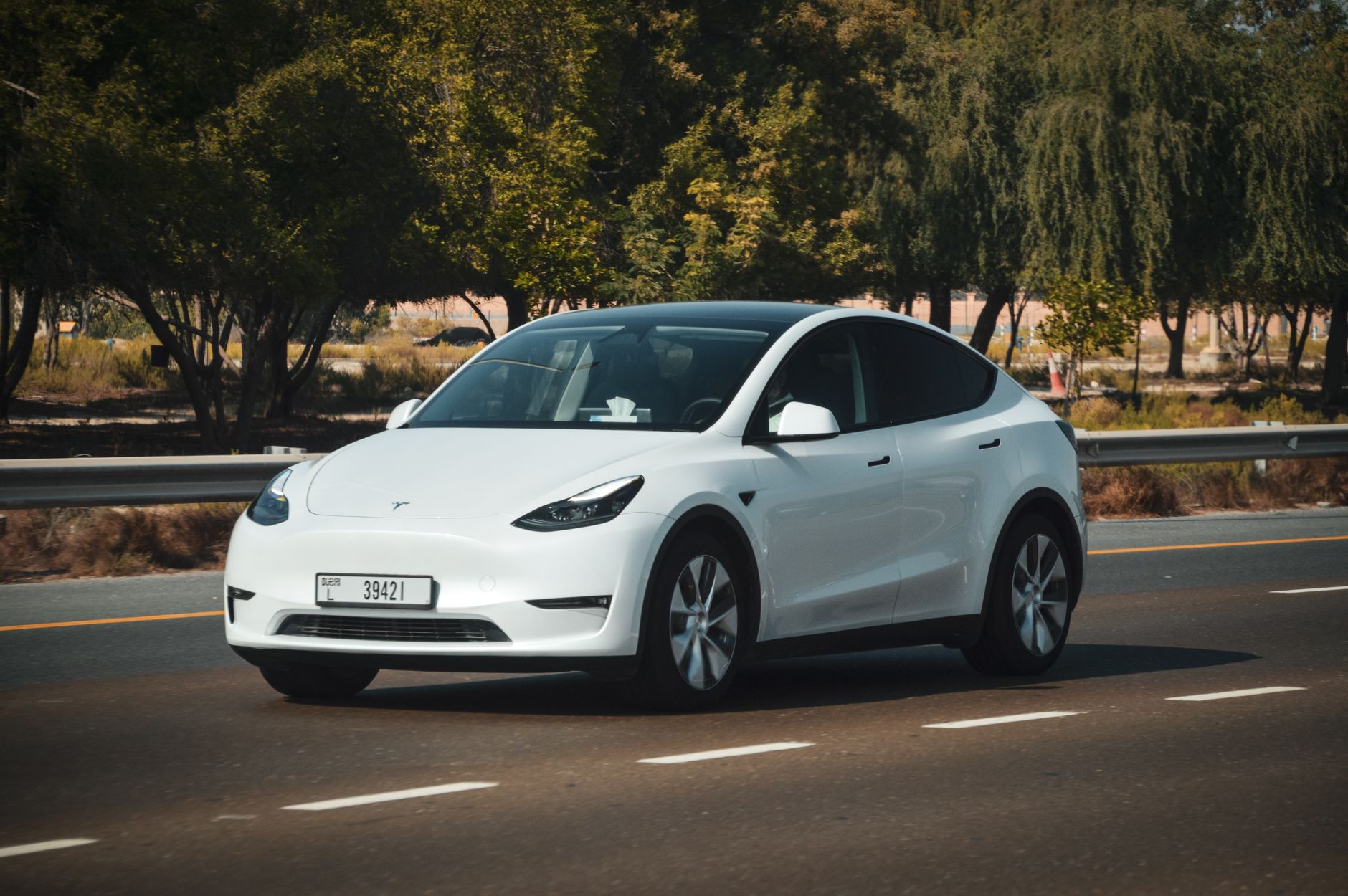
    Tesla delivered 480,126 vehicles worldwide in the second quarter of 2026, according to the company’s official production and delivery report published July 2. It’s the best second quarter in the company’s history and the first year-over-year delivery increase after two straight years of decline.

    Tesla produced 451,758 vehicles during the quarter and delivered more than it built, which means the company worked down roughly 28,000 vehicles of existing inventory rather than adding to it, according to Electrek’s analysis of the report. That reverses a buildup of about 50,000 excess vehicles that had accumulated in the first quarter of 2026.

    How this compares to expectations

    Deliveries came in about 74,000 vehicles above the average Wall Street forecast, which had called for roughly 406,000 deliveries, per Electrek’s pre-report consensus tracking. Even the most optimistic analyst estimates, in the 418,000-to-420,000 range, fell well short of the actual number. Deliveries were also up 25% from the same quarter last year, when Tesla delivered 384,122 vehicles — and this quarter’s total is the second-highest of any quarter in company history, trailing only the 497,099 vehicles delivered in the third quarter of 2025.

    The Model 3 sedan and Model Y SUV accounted for 467,762 of the quarter’s deliveries. The remaining 12,364 covers the Model S, Model X, Cybertruck, and Semi combined. Tesla doesn’t break out delivery figures by individual model beyond the Model 3/Y grouping in its quarterly reports.

    What’s behind the jump

    The comparison is notable because it isn’t riding the same tailwind as last year. Q2 2025 deliveries were inflated by a rush of buyers trying to close deals before the US federal EV tax credit and similar rebate programs in other countries expired, which made this year’s growth, arriving without that same incentive push, more of a demand signal than the raw percentage alone suggests.

    Coverage from Yahoo Finance points to a few concrete factors instead: Tesla introduced lower-priced variants of the Model 3 and Model Y earlier this year, expanded its Full Self-Driving (Supervised) software into additional European markets, and saw a bump in European demand tied to a spike in fuel costs during the quarter. None of that changes what you pay for a Tesla today, but it helps explain where the extra volume came from.

    Tesla shares actually fell after the report — down roughly 7.5% on the day, per the same Yahoo Finance coverage — a reminder that a single quarter’s delivery beat doesn’t map cleanly onto stock performance, and isn’t something that should factor into an ownership decision either way.

    Energy storage grew too

    Tesla’s energy storage business — the Powerwall and Megapack products — deployed 13.5 GWh of storage in the quarter, up 40% from 9.6 GWh a year earlier. That’s a smaller beat than the vehicle side: it came in slightly below the roughly 13.8 GWh analysts had expected.

    What it means if you own or are ordering a Tesla

    A quarter where Tesla delivers more cars than it builds is generally good news if you’re waiting on a new order: it suggests the company is working through existing inventory rather than letting a backlog grow, which historically correlates with more predictable delivery windows rather than longer ones. It doesn’t tell you anything directly about pricing or incentives — those are set separately, change independently of delivery reports, and are worth confirming directly on Tesla’s order pages before you buy.

    If the lower-priced Model 3 and Model Y variants mentioned above are part of what drove this quarter’s numbers, it’s a good sign that Tesla is actively working the price end of the lineup — worth checking current configurator pricing if a more affordable trim is what’s been holding you back from ordering.

    For current owners, strong delivery and energy deployment numbers are one input, among many, into the broader health of the company that built your car and, if you have one, your Powerwall or home charging setup. But a single quarter’s delivery count isn’t a signal about your vehicle’s warranty, service network, or software support, which are governed separately and haven’t changed as a result of this report.

    Tesla is scheduled to release full second-quarter financial results on July 22, 2026, which will include more detail on margins, energy business profitability, and forward guidance than the delivery report alone covers. Its next production-and-delivery report will cover the third quarter and typically arrives in the first few days of October.

    One more data point worth keeping in perspective: this quarter also beat Tesla’s previous Q2 record of 466,140 vehicles, set back in 2023, by roughly 14,000 units. Combined with the swing from a 50,000-vehicle inventory buildup in Q1 to a 28,000-vehicle drawdown in Q2, the numbers suggest Tesla matched production more closely to actual demand this quarter than it had in the recent past — which, if it holds, is generally the kind of trend that supports steadier delivery timelines for new orders rather than the swings buyers have sometimes seen around quarter-end pushes.

    Photo by Craig Adderley.

  • xAI All Hands: Scaling to 1 Million GPUs and the Roadmap to “Macro Hard”

    xAI All Hands: Scaling to 1 Million GPUs and the Roadmap to “Macro Hard”

    In a milestone “All Hands” meeting recorded in February 2026, Elon Musk and the xAI leadership team detailed the company’s meteoric rise and a fundamental reorganization designed to accelerate the path to AGI. In just two and a half years, xAI has transformed from a “toddler” startup into a leader in compute velocity and generative media.

    A Major Reorganization for Velocity

    To maintain what Musk calls “maniacal velocity,” xAI has reorganized into four specialized application pillars designed to handle the company’s massive scale [00:04:16]:

    • Grok Main & Voice: Focused on the core foundation model and high-performance, real-time voice agents [00:04:55].
    • Grok Code: A team dedicated to recursive self-improvement, where AI is used to train the next generation of coding models [00:09:40].
    • Imagine: The visual generation wing, which has scaled to industry-leading volume in record time [00:13:48].
    • Macro Hard: A futuristic project aimed at the digital emulation of entire corporations [00:16:59].

    Dominating the Generative Media Landscape

    The Imagine team reported staggering growth metrics that place xAI at the top of the leaderboard for visual content. Within six months of launch, the platform is now seeing:

    • 50 Million videos generated daily [00:13:48].
    • 6 Billion images generated per month—surpassing major competitors by nearly 6x in volume [00:14:04].

    The roadmap for Imagine includes real-time video rendering and the ability to generate 10–20 minute video sequences in a single shot by the end of the year [00:15:07].

    The Memphis Supercomputer: 1 Million GPUs

    xAI’s compute advantage is anchored by its massive facility in Memphis. The team revealed they are scaling from their initial 100,000 H100 cluster to one million H100 GPU equivalents [00:02:10].

    The facility is a marvel of vertical integration, featuring 847 miles of fiber per data hall and a power system supported by the world’s largest Tesla Mega Pack installation [00:32:24]. Musk noted that the speed at which xAI brings compute online is currently unmatched in the industry [00:34:27].

    The “Macro Hard” Vision: Emulating Digital Companies

    Perhaps the most ambitious project discussed was Macro Hard. Musk described this as the “emulation of entire human companies” where the output is purely digital [00:19:56]. By creating a fully capable digital human emulator, xAI intends to orchestrate complex tasks across engineering, law, and medicine, leading to what they describe as “immense economic prosperity” [00:18:36].

    X App: The Everything App Evolution

    The meeting also highlighted the continued evolution of the X app into a centralized communication and financial hub:

    • Financial Success: X has officially crossed $1 Billion in Annual Recurring Revenue (ARR) from subscriptions [00:38:04].
    • X Money: A central source for monetary transactions is currently in closed beta and moving toward a worldwide launch [00:40:14].
    • Open Source: Musk reiterated his commitment to transparency, promising to open-source the recommendation and chat algorithms [00:39:03].

    Beyond Earth: The Lunar Mass Driver

    In a final look at the “interstellar ambitions” of the company, Musk connected the dots between xAI and SpaceX. To truly understand the universe, Musk argues we must access the energy of the sun at a scale Earth cannot provide [00:43:04].

    The plan involves launching Orbital Data Centers at a rate of 100–200 gigawatts per year, eventually scaling to a Lunar Mass Driver—a lunar-based facility that would launch AI satellites into deep space to explore the galaxy [00:43:53].


    To learn more about joining the team or the technical specifics of the Memphis cluster, visit x.ai.

  • The Future of Intelligence: Key Takeaways from Elon Musk’s Vision for AI and Robotics

    The Future of Intelligence: Key Takeaways from Elon Musk’s Vision for AI and Robotics

    In a wide-ranging interview with Dwarkesh Patel, Elon Musk detailed a future defined by a “maniacal sense of urgency.” From moving AI compute into space to the recursive exponential growth of humanoid robots, Musk’s roadmap focuses on identifying and crushing the “limiting factors” of human progress.

    1. Space-Based AI: Solving the Earthly Power Crisis

    One of the most provocative predictions Musk made is that within 36 months, space will become the most economically compelling location for AI data centers. The reasoning is rooted in physics and resource availability:

    • The Electricity Bottleneck: While chip production is growing exponentially, Earth’s power grid is relatively stagnant. Space offers an untapped frontier for energy.
    • Solar Efficiency: Without an atmosphere, day/night cycles, or weather interference, solar panels in space are roughly five times more effective than those on the ground.
    • Battery-Free Operations: By operating in constant sunlight, space-based AI avoids the massive infrastructure costs of the batteries required to power Earth-based centers at night.

    2. Optimus and the “Infinite Money Glitch”

    Musk views the Tesla Optimus humanoid robot not just as a tool, but as a fundamental shift in the global economy. He refers to it as an “infinite money glitch” because of its ability to eventually manufacture more versions of itself.

    This growth is driven by three “recursive exponentials”:

    1. Digital intelligence.
    2. Chip capability.
    3. Electromechanical dexterity.

    Tesla has transitioned to a “physics first” approach, even designing custom actuators in-house to achieve human-level hand dexterity. The ultimate goal is mass production reaching one million units per year by Optimus Version 3.

    3. Scaling Beyond Limits: The “Terapab” Initiative

    To support the massive compute requirements of the next decade, Musk introduced the concept of Terapab—a massive manufacturing initiative designed to bypass current supply chain backlogs. He anticipates that SpaceX and Tesla may eventually need to build their own dedicated “fabs” to produce millions of wafers for logic and memory chips every month.

    4. xAI: Understanding the Universe Through Truth

    The mission of xAI and its flagship model, Grok, is defined simply: “understanding the universe.” Musk argues that for an AI to be safe and useful, it must be rigorously truth-seeking.

    He warns against the dangers of “politically correct” AI, citing 2001: A Space Odyssey to illustrate how forcing an AI to lie can lead to a breakdown in its logic. By focusing on understanding the universe, Musk believes AI will naturally find humanity interesting and seek to preserve human consciousness.

    5. “Pico-Management” and the Art of the Pivot

    Musk described his leadership style as “pico-management.” Rather than managing every detail, he drills down into specific, minute problems only when they represent the primary limiting factor for the entire company. A prime example of this was the pivot from carbon fiber to stainless steel for Starship—a decision made to increase the speed of development and improve material performance at cryogenic temperatures.


    Watch the Full Interview

    For more insights on management philosophy, hiring for “goodness of heart,” and the future of Starship, watch the full conversation below:

    Elon Musk Interview – Dwarkesh Patel

  • Tesla Q4 & FY 2025: The Dawn of the Physical AI Era

    Tesla Q4 & FY 2025: The Dawn of the Physical AI Era

    Tesla’s 2025 update is more than just a financial report—it marks the definitive turning point in our mission. While we continue to deliver world-class electric vehicles, 2025 was the year we fundamentally transitioned from a hardware-centric company to a physical AI company.

    From the launch of unmonitored Robotaxis to the announcement of our next-generation Optimus design, here is the breakdown of how we are building the future of autonomous intelligence.


    2025: A Critical Year of Transition

    In 2025, we balanced a maturing automotive market with massive leaps in AI infrastructure and robotics.

    Financial Highlights

    • Total Revenues: Reached $94.8 billion for the full year.
    • Operating Income: Achieved $4.4 billion in GAAP operating income.
    • Cash Strength: Our cash, cash equivalents, and investments grew to $44.1 billion, providing the liquidity needed to fund our ambitious roadmap.
    • Energy Storage: A standout performer with a record 46.7 GWh deployed in 2025—a 49% increase year-over-year.

    Operational Milestones

    We hit major production milestones across our global Gigafactories:

    • 9 Millionth Vehicle: Produced globally at Gigafactory Shanghai.
    • 6 Millionth Drive Unit: Produced at Gigafactory Nevada.
    • Model Y Refresh: Completed the refresh of our vehicle lineup with the launch of the new Model Y, including additional variants.

    The AI Roadmap: Scaling Autonomy

    Our vertical integration allows us to optimize AI at the system level—from the silicon up.

    Robotaxi & FSD

    • Unsupervised Rides: In January 2026, we began removing safety monitors from Robotaxis in Austin on a limited basis.
    • Rapid Expansion: Robotaxi coverage is slated to expand to Dallas, Houston, Phoenix, Miami, and more in the first half of 2026.
    • FSD (Supervised) v14: Our latest software uses end-to-end foundation models to handle complex “corner cases” that handle diverse geographies.

    Next-Gen Hardware

    • Optimus Gen 3: We are unveiling the Gen 3 Optimus in Q1 2026, featuring a design intended for mass production.
    • AI5 & AI6 Chips: Our in-house autonomy chips are progressing toward production in 2027 and 2028, targeting a 50x performance improvement over current AI4 hardware.
    • Cortex 2: We are currently building Cortex 2 at Giga Texas to more than double onsite compute capacity by 1H 2026.

    Looking Ahead to 2026

    The coming year is all about scaling the production lines we laid the foundation for in 2025.

    Product Status / 2026 Goal
    Cybercab Volume production commencing 1H 2026
    Tesla Semi Volume production commencing 1H 2026
    Optimus Start of production planned before the end of 2026
    Megapack 3 Production begins at Megafactory Houston
    LFP Batteries Domestic production starting in Nevada

    Strategic Investment in xAI

    On January 16, 2026, Tesla entered an agreement to invest approximately $2 billion in xAI. This partnership, as outlined in Master Plan Part IV, is designed to enhance Tesla’s ability to develop and deploy AI products and services into the physical world at scale.

    What’s Next?

    Our focus remains on maximum capacity utilization and the transition to a software-led profit model. As hardware-related profits grow, we expect them to be joined by an acceleration of AI, software, and fleet-based profits.

    Check back for more updates as we lead the transition to autonomous energy and transport.

  • Tesla Camp Mode: How to Turn Your EV into a High-Tech Mini Camper

    Tesla Camp Mode: How to Turn Your EV into a High-Tech Mini Camper

    Tesla has built a reputation for turning traditional automotive hardware into a versatile software platform. While features like Sentry Mode and Dog Mode get a lot of press, Camp Mode is the hidden gem for weekend adventurers and road-trippers looking to skip the hotel bill.


    What is Tesla Camp Mode?

    Camp Mode allows you to maintain the perfect cabin climate and keep your vehicle’s electronics active while parked. Unlike a gas-powered car, which would require an idling engine (and risk carbon monoxide poisoning), a Tesla uses its massive high-voltage battery to provide a silent, emission-free living space.

    When activated, Camp Mode:

    • Maintains your chosen cabin temperature all night.
    • Provides continuous airflow and ventilation.
    • Powers USB and 12V outlets to charge laptops, phones, or even portable stoves.
    • Keeps the touchscreen active for Netflix, YouTube, or gaming.
    • Disables non-essential systems like the alarm and Sentry Mode to save power.

    Battery Management: How Much Range Do You Lose?

    A common concern for new EV campers is waking up to a dead battery. Fortunately, Tesla’s software has built-in safeguards. Camp Mode will automatically shut off if your battery drops to 20%, ensuring you always have enough range to reach a Supercharger.

    Condition Estimated Battery Drain
    Mild Temperature (60°F – 70°F) ~1% per hour
    Extreme Cold (Heat Pump Models) 2% – 3% per hour
    Extreme Heat (A/C Running) 2% per hour

    Pro Tips for the 2026 Tesla Camper

    To get the most out of your “glamping” experience, veteran owners recommend a few software tweaks:

    • Create a “Camp” Driver Profile: Save a profile that automatically moves the front seats forward and adjusts the steering wheel to maximize sleeping space in the rear.
    • Manual Fan Speed: Setting your fan speed to “1” manually can reduce noise and save a marginal amount of battery compared to “Auto” mode.
    • The “Blackout” Trick: Use custom-fit privacy shades for the glass roof and windows. Not only does this provide privacy, but it significantly improves the thermal efficiency of the cabin.

    Beyond Camping: The Tesla Software Ecosystem

    Camp Mode is just one part of Tesla’s unique software suite. The 2026 lineup continues to offer features that traditional automakers are still struggling to replicate:

    • Dog Mode: Keeps the car at a safe temperature for pets and displays a message on the screen to reassure passersby.
    • Bioweapon Defense Mode: Uses a HEPA filtration system to remove 99.97% of airborne particulates—perfect for camping during wildfire season.
    • Caraoke: Turns your dashboard into a mobile karaoke station with a library of tracks and lyrics.
    • Sentry Mode: Uses the car’s external cameras to record potential threats when you aren’t around.

    The Tesla Owner’s Checklist

    Planning your first overnight trip? Don’t forget the essentials: a fitted mattress (like the Tesla Model Y Air Mattress), a 12V portable kettle, and a high-quality window shade kit. Join the GetTesla community for more guides on maximizing your EV’s potential.

  • End of an Era: Tesla Retires “Autopilot” Branding, Paywalls Standard Features

    End of an Era: Tesla Retires “Autopilot” Branding, Paywalls Standard Features

    After more than a decade as a cornerstone of the Tesla brand, the “Autopilot” name is officially being retired in the United States and Canada. In a major shift to its software strategy, Tesla has removed the feature from new vehicle orders, effectively paywalling basic capabilities that were once standard.


    The New Baseline: TACC vs. FSD

    For years, every Tesla shipped with “Basic Autopilot,” which included two core features: Traffic-Aware Cruise Control (TACC) and Autosteer. As of late January 2026, that has changed. New buyers now have a much simpler—and more expensive—choice:

    • Standard (Free): Traffic-Aware Cruise Control (TACC). The car will maintain speed and distance but will not steer for you.
    • Premium ($99/mo): Full Self-Driving (Supervised). This is now the only way to access Autosteer and advanced lane-centering features.

    This move places Tesla in a unique position in the market. While competitors like Toyota and Honda include lane-centering as a standard safety feature on entry-level models, new Tesla owners must now pay roughly $1,200 a year for equivalent functionality.

    The California Deadline and Legal Pressure

    The timing of this retirement is widely seen as a response to intensifying legal pressure. In December 2025, a California judge ruled that Tesla’s “Autopilot” branding constituted deceptive marketing. The court gave Tesla a 60-day window to rectify misleading claims or face a potential ban on vehicle sales in its largest U.S. market.

    By dropping the Autopilot name and transitioning to “Supervised FSD,” Tesla appears to be standardizing its terminology to satisfy regulators while simultaneously pivoting its business model toward recurring revenue.

    A Push for 10 Million Subscriptions

    Beyond legal compliance, there is a significant financial incentive behind the change. Elon Musk’s massive $1 trillion compensation package, approved by shareholders in late 2025, includes a series of ambitious “operational milestones.”

    Key Milestones for Musk’s Payout:

    • 10 Million active FSD subscriptions.
    • 1 Million Robotaxis commercially deployed.
    • 20 Million total vehicles delivered.

    With FSD adoption previously hovering around 12% of the fleet, removing the “free” tier of Autosteer creates a functional gap that nudges owners toward the $99/month subscription.

    “The $99/month for supervised FSD will rise as FSD’s capabilities improve,” Musk warned in a recent update. “The massive value jump is when you can be on your phone or sleeping for the entire ride (unsupervised FSD).”

    The February 14 Deadline

    Current Tesla owners and prospective buyers have until February 14, 2026, to make a final decision on ownership. After this date, the $8,000 one-time purchase for FSD will be eliminated in favor of the subscription-only model. For those who plan to keep their vehicles for more than seven years, locking in the flat fee now may be the last chance to avoid lifetime monthly payments.

  • Tesla Earnings Q1 2026: Retail Investors Demand Answers on SpaceX, AI, and Optimus

    Tesla Earnings Q1 2026: Retail Investors Demand Answers on SpaceX, AI, and Optimus

    As Tesla prepares to report its latest quarterly earnings this Wednesday, the atmosphere among retail investors is electric. Through the Say.com platform, shareholders representing over 1.4 million shares have voiced their top priorities, signaling that the community is looking for a roadmap that extends far beyond vehicle deliveries.


    The Big Question: SpaceX Loyalty

    The most upvoted question this quarter doesn’t actually concern a Tesla vehicle. Instead, it’s about SpaceX. Long-term Tesla bulls are looking for a “loyalty reward” if Elon Musk’s aerospace giant eventually goes public.

    • The Valuation Gap: SpaceX is currently targeting a valuation of $1.5 trillion, nearly doubling its previous $800 billion mark and rivaling Tesla’s own market cap.
    • The “Directed Share” Hope: Investors are asking if Tesla shareholders will receive priority access to a SpaceX IPO. While Musk has hinted that “loyalty deserves loyalty,” the logistics of a directed share program remain a primary point of curiosity.

    Robotaxis and the “Cybercab” Era

    Tesla’s pivot from a traditional automaker to an AI and robotics powerhouse is the core of this year’s strategy. With autonomous vehicles already operating without safety monitors in Austin and the San Francisco Bay Area, investors want to know how the service scales.

    Key Autonomy Milestones:

    • Cybercab Launch: Production is slated to begin in April 2026. This vehicle is designed without pedals or a steering wheel, targeting a $25,000 price point.
    • FSD Transition: Tesla is moving toward a subscription-only model for Full Self-Driving (FSD) at $99/month. Musk has hinted at a “massive value jump” once “Unsupervised FSD” is officially released.

    Optimus: The Roadmap to Mass Production

    The Optimus humanoid robot is already performing simple tasks within Tesla factories, but the path to a consumer product remains a steep climb. Investors are looking for clarity on the supply chain and production bottlenecks.

    Milestone Expected Timeline
    Next-Gen Optimus Demo Current Quarter (Q1 2026)
    Volume Production Start Late 2026
    Consumer Availability End of 2027

    “With a humanoid robot, there is no supply chain,” Musk previously noted, emphasizing that Tesla is essentially building this industry from the ground up.

    The EV Reality Check

    While the future is robotic, Tesla’s current revenue still depends on EV sales, which faced headwinds in 2025. Specifically, the Cybertruck has seen a significant cooling in demand after its initial launch phase.

    Cybertruck Delivery Comparison:

    • 2024 Deliveries: 38,965 units
    • 2025 Deliveries: 20,237 units
    • Year-over-Year Change: -48%

    To combat declining sales, investors are pushing for more affordable models. While the Model 3 and Model Y remain the volume drivers, the market is waiting to see if Tesla can successfully launch a $25,000 vehicle—with or without a steering wheel—to capture the next wave of EV adoption.

  • 2026 Model 3 vs. Model Y: Which “Standard” Trim is Your Best Bet?

    2026 Model 3 vs. Model Y: Which “Standard” Trim is Your Best Bet?

    In late 2025, Tesla introduced the new “Standard” trims for both the Model 3 and Model Y, shaving thousands off the sticker price by making tactical cuts to luxury features. If you’re looking for the best value in 2026, here is how they stack up.

    The Comparison:

    • Price: The Model 3 Standard starts at $38,630, while the Model Y Standard sits at $41,630 (Source: Car and Driver, Oct 2025).
    • Range: Interestingly, both models now offer an estimated 321 miles on 18-inch wheels, thanks to a new 69.5 kWh battery pack.
    • Trade-offs: To hit these prices, Tesla swapped out the rear touchscreen and ventilated seats for manual vents and textile-insert seats. The Model Y even lost its front light bar for a more streamlined look.

    The Verdict: Choose the Model 3 if you prioritize sportier handling and a lower entry price. Opt for the Model Y if you need the extra cargo space and the higher seating position that makes it a family favorite.

  • The 2026 Cybercab Deep Dive: Is Tesla’s $30,000 Robotaxi Finally Here?

    The 2026 Cybercab Deep Dive: Is Tesla’s $30,000 Robotaxi Finally Here?

    With production officially kicking off at Gigafactory Texas, the Tesla Cybercab is no longer just a futuristic concept—it’s hitting the pavement. Positioned as a two-seat, steering-wheel-free revolution, the Cybercab is designed to bring the cost of transport down to “bus-level” pricing.

    What We Know So Far:

    • The Price Point: Elon Musk has doubled down on a starting price of under $30,000, making it the most affordable entry into the Tesla ecosystem.
    • The Design: In a bold move, the Cybercab lacks traditional pedals and mirrors, relying entirely on the FSD v13 vision-based system.
    • Volume Production: Tesla targets a production cadence of one unit every 10 seconds once lines reach full capacity (Source: Tesla Annual General Meeting, November 2025).

    Why it matters: For prospective owners, the Cybercab represents a shift from “car ownership” to “platform participation.” Whether you plan to own one or simply summon one via the Tesla App, the 2026 rollout marks the beginning of the end for the traditional driver’s seat.

    Photo by Leonardo Gonzalez.