Blog

  • ‘Insanely Efficient’: The Cheapest Tesla Model Y Defies Highway Range Expectations

    ‘Insanely Efficient’: The Cheapest Tesla Model Y Defies Highway Range Expectations

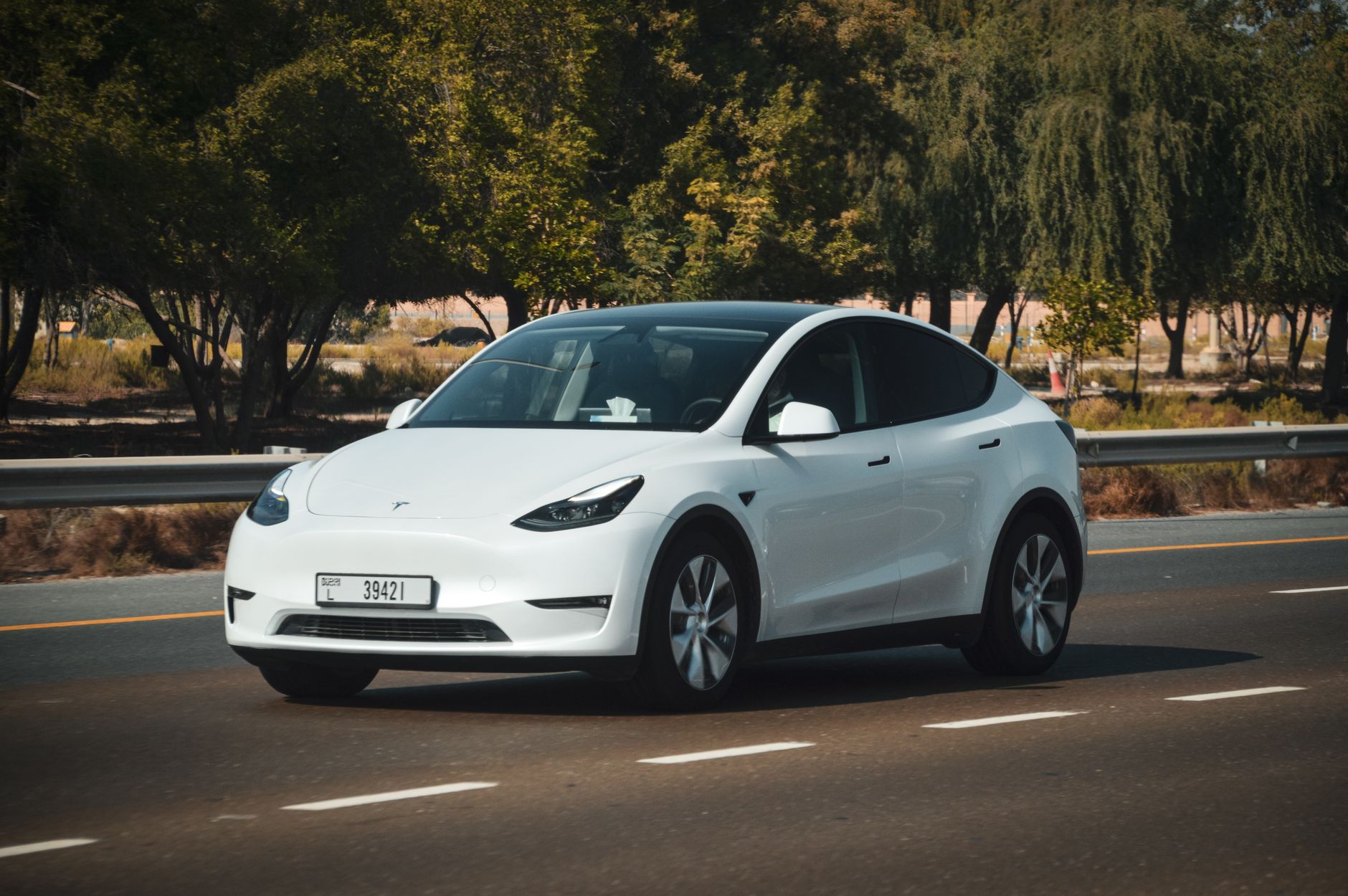
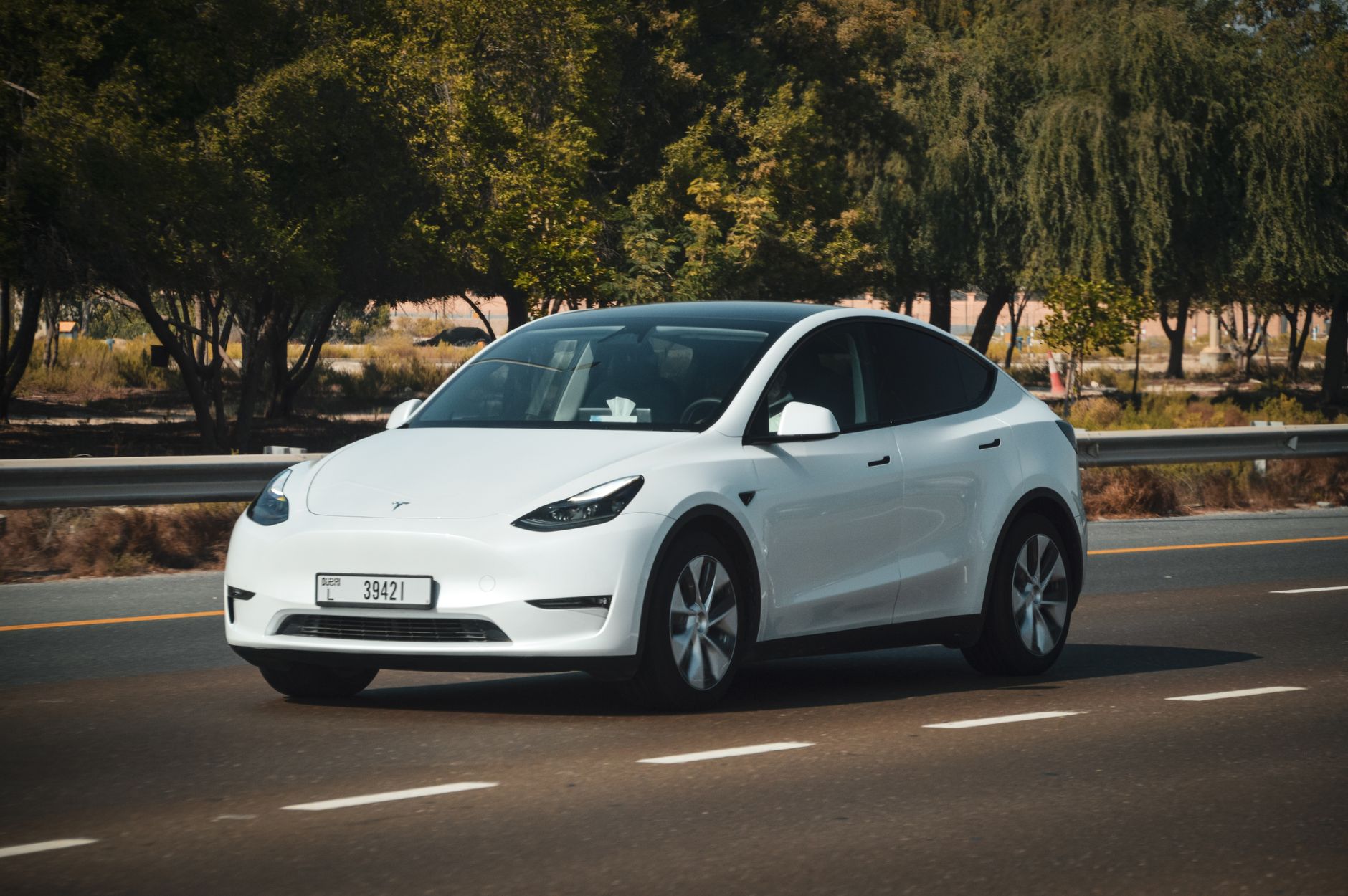
    The entry-level Tesla Model Y Standard is proving that “cheapest” doesn’t have to mean “least capable.” While this base-spec crossover cuts a few luxury corners—notably swapping the open glass roof for a traditional headliner and omitting the FM radio—it has gained something much more valuable: world-class energy efficiency.

    In a recent real-world 70 mph highway range test, the Model Y Standard showcased efficiency numbers that rival the sleek Model 3, traditionally the gold standard for aerodynamic EVs. This makes it a potential “efficiency monster” for those looking to maximize every kilowatt-hour.


    The 70 MPH Challenge: Real-World Highway Range vs. EPA

    The EPA estimates a range of 321 miles for the Model Y Standard, but that number is heavily influenced by low-speed city driving. For long-distance travelers, the constant high-speed cruise is the ultimate stress test for an electric vehicle’s battery and aerodynamics.

    During a controlled 70 mph test conducted by Out of Spec Testing, the results were commendable:

    • Highway Range: 268 miles at a sustained 70 mph.
    • Efficiency: 241.9 Wh/mile (or roughly 4.13 miles per kWh).
    • Usable Energy: The vehicle consumed 69.2 kWh of energy before the speed began to drop.

    Efficiency Champion: How it Compares

    Perhaps the most surprising result of recent testing is that the Model Y Standard matched the energy efficiency of the Tesla Model 3 Premium. For a larger, taller crossover to match the “sipping” habits of a low-slung sedan is a testament to Tesla’s drivetrain refinements.

    Test Condition Model Y Standard Result
    EPA Estimated Range 321 Miles
    70 MPH Highway Range 268 Miles
    Edmunds Mixed Loop (60% City) 337 Miles
    Energy Efficiency 4.13 miles/kWh

    Why This Matters for Your Wallet

    For drivers focused on operational costs—such as those in the ride-hailing industry or long-distance commuters—the Model Y Standard is an economic powerhouse. Using less energy per mile doesn’t just mean fewer stops at Superchargers; it means lower costs for every mile driven. While the vehicle lacks some premium “frills,” the trade-off is a vehicle that is remarkably inexpensive to operate and maintain.

    “Slowing down matters a lot for extending driving range, but at 70 mph, this Model Y proved it can still hold its own against the most efficient cars in its class.”

    Sources:

    • Out of Spec Testing: 70 mph Highway Range Test & Efficiency Analysis.
    • Edmunds: Tesla Model Y Standard Range Test and City/Highway Mix Performance.
    • Tesla: Official EPA Range Ratings and Pricing for the Model Y Standard RWD.


    Given the choice between a more luxurious interior with a glass roof or the record-breaking energy efficiency of this Standard model, which would you prioritize for your daily commute?

  • Tesla’s Silicon Sprint: The 9-Month Cycle for AI5 and AI6 Chips

    Tesla’s Silicon Sprint: The 9-Month Cycle for AI5 and AI6 Chips

    The race for autonomous supremacy just shifted into overdrive. While most semiconductor giants operate on multi-year development timelines, Tesla CEO Elon Musk has officially signaled a radical new pace: a nine-month design cycle for the company’s custom AI chips.

    In a recent update, Musk confirmed that the Tesla AI5 chip design is nearing completion, while the AI6 chip has already entered the early stages of development. This “sprint” mentality aims to keep Tesla at the bleeding edge of “real-world AI,” powering everything from the Full Self-Driving (FSD) suite in your vehicles to the Optimus humanoid robots.


    Breaking Down the Silicon Roadmap: AI5 vs. AI6

    Tesla is moving away from general-purpose hardware toward vertically integrated, custom silicon designed specifically for its neural networks. By designing its own chips, Tesla aims to lessen its reliance on Nvidia, the current leader in the AI chip market.

    • AI5 (Next-Gen Hardware): Currently being finalized, these chips are being manufactured by TSMC (Taiwan Semiconductor Manufacturing Company). High-volume production is slated for 2027, where they will replace the current AI4 hardware found in existing Tesla models.
    • AI6 (Early Development): Already in the works, this next-gen chip is backed by a massive $16.5 billion deal with Samsung Electronics. Crucially, these chips are expected to be manufactured in the United States, providing a more resilient domestic supply chain.

    Why a 9-Month Design Cycle is a Game Changer

    The traditional semiconductor industry typically moves at an 18-to-24-month pace. By compressing this to just nine months, Tesla is attempting to outpace traditional tech cycles to achieve several key goals:

    1. Vertical Integration: Reducing the high costs and supply bottlenecks associated with external vendors.
    2. Optimization for Inference: Unlike data center chips, AI5 and AI6 are being optimized for inference—the split-second decision-making required for a car to navigate complex environments.
    3. Scalability: Musk predicts these will become the highest volume AI chips in the world, eventually spanning AI7, AI8, and AI9 iterations.

    A Recruitment Pitch for the Future

    Musk didn’t just share technical milestones; he issued a rallying cry for top-tier engineering talent. He invited developers and hardware engineers to join Tesla to work on what he believes will be the most widely used AI silicon on the planet. For investors and tech enthusiasts, this confirms that Tesla no longer views itself as just an automaker, but as a dominant force in the global semiconductor landscape.

    “Our AI5 chip design is almost done, and AI6 is in early stages, but there will be AI7, AI8, AI9… aiming for a 9-month design cycle.” — Elon Musk

    Sources:


    • X (formerly Twitter): Official announcement by Elon Musk regarding AI5/AI6 design cycles.
    • Reuters/Samsung News: Reports on the $16.5B manufacturing deal for U.S.-based chip production.
    • TSMC Investor Relations: Production timelines for next-generation automotive silicon.


    If Tesla manages to successfully outpace the traditional 18-month semiconductor cycle, how do you think this will affect the hardware capabilities of other electric vehicle manufacturers?

  • 2026 Tesla Model Q Rumors: Everything We Know About the $25,000 EV

    2026 Tesla Model Q Rumors: Everything We Know About the $25,000 EV

    2026 Tesla Model Q Rumors: Everything We Know About the $25,000 EV

    The electric vehicle (EV) world is buzzing with anticipation for the 2026 Tesla Model Q. While Tesla has yet to officially “unveil” a car with this specific name, the “Model Q” moniker (and its sibling alias, the “Model 2”) has become the internet’s favorite label for the long-awaited, affordable Tesla entry-level model.

    Positioned to sit below the Model 3, this vehicle is expected to be the catalyst for mass EV adoption. Here is the latest on the rumors, leaked specs, and pricing for Tesla’s most mysterious project yet.


    The $25,000 Price Point: Is It Still Possible in 2026?

    The most persistent rumor surrounding the Tesla Model Q price is the elusive $25,000 target. While Tesla recently launched a “Standard” Model Y priced near $39,990 to bridge the gap, insiders suggest the true “compact” model is still aiming for a sub-$30,000 starting price.

    • Estimated Base Price: $25,000 – $29,990
    • Effective Cost: If the Model Q qualifies for the $7,500 federal tax credit (which is currently in flux for 2026), the effective price could drop to a staggering $17,500.

    2026 Tesla Model Q Release Date and Production Status

    When can you actually buy one? According to recent reports from Deutsche Bank and leaked production timelines from Giga Shanghai, a reveal is expected in late 2025, with deliveries beginning in early to mid-2026.

    To speed up the timeline, Tesla is reportedly shifting away from the radical “unboxed” manufacturing process for this specific model, opting instead to build it on a modified version of the existing Model 3/Y platform. This allows Tesla to use current assembly lines in Texas and China, avoiding the long delays seen with the Cybertruck.


    Leaked Specs: Range, Battery, and Size

    While the Model Q will be smaller than the Model 3, it isn’t expected to compromise on the core “Tesla experience.”

    Compact “Hatchback” Dimensions

    Rumors suggest the Model Q will be a compact hatchback or “urban crossover” approximately 15% smaller and 30% lighter than the Model 3. This small footprint makes it ideal for European and Asian markets, as well as tight American cities.

    Battery and Performance

    According to reports from Find My Electric and TopElectricSUV:

    • Base Battery: A 53 kWh Lithium Iron Phosphate (LFP) pack.
    • Estimated Range: Up to 250–310 miles on a single charge.
    • Drivetrain: Standard Rear-Wheel Drive (RWD) for the base model, with a potential Dual-Motor AWD “Performance” trim.
    Feature Predicted Specification
    0-60 MPH 5.0 – 6.9 seconds
    Top Speed 110 – 125 mph
    Charging V4 Supercharging (250kW+)

    Interior and Technology: A Minimalist Shift?

    The 2026 Tesla Model Q interior is expected to be even more minimalist than the Model 3. Early leaks suggest:

    • New “Reasoning” AI: Support for the latest FSD (Full Self-Driving) V14 series.
    • Hardware: Likely shipping with AI5 (Hardware 5) to future-proof for autonomy.
    • Simplified Cabin: A 15-inch central touchscreen, fabric/vegan leather upholstery, and the removal of the rear passenger screen to keep costs down.

    “The Model Q represents the democratization of the Tesla ecosystem. It’s the bridge between a luxury tech product and a daily appliance for the masses.” — Industry Analyst Insight

    Sources:

    Would you trade your current gas car for a $25,000 Tesla?