Tag: supercharger

  • Tesla’s new ‘Accordion’ Supercharger folds out in half the time. It isn’t in the US yet.

    Tesla’s new ‘Accordion’ Supercharger folds out in half the time. It isn’t in the US yet.

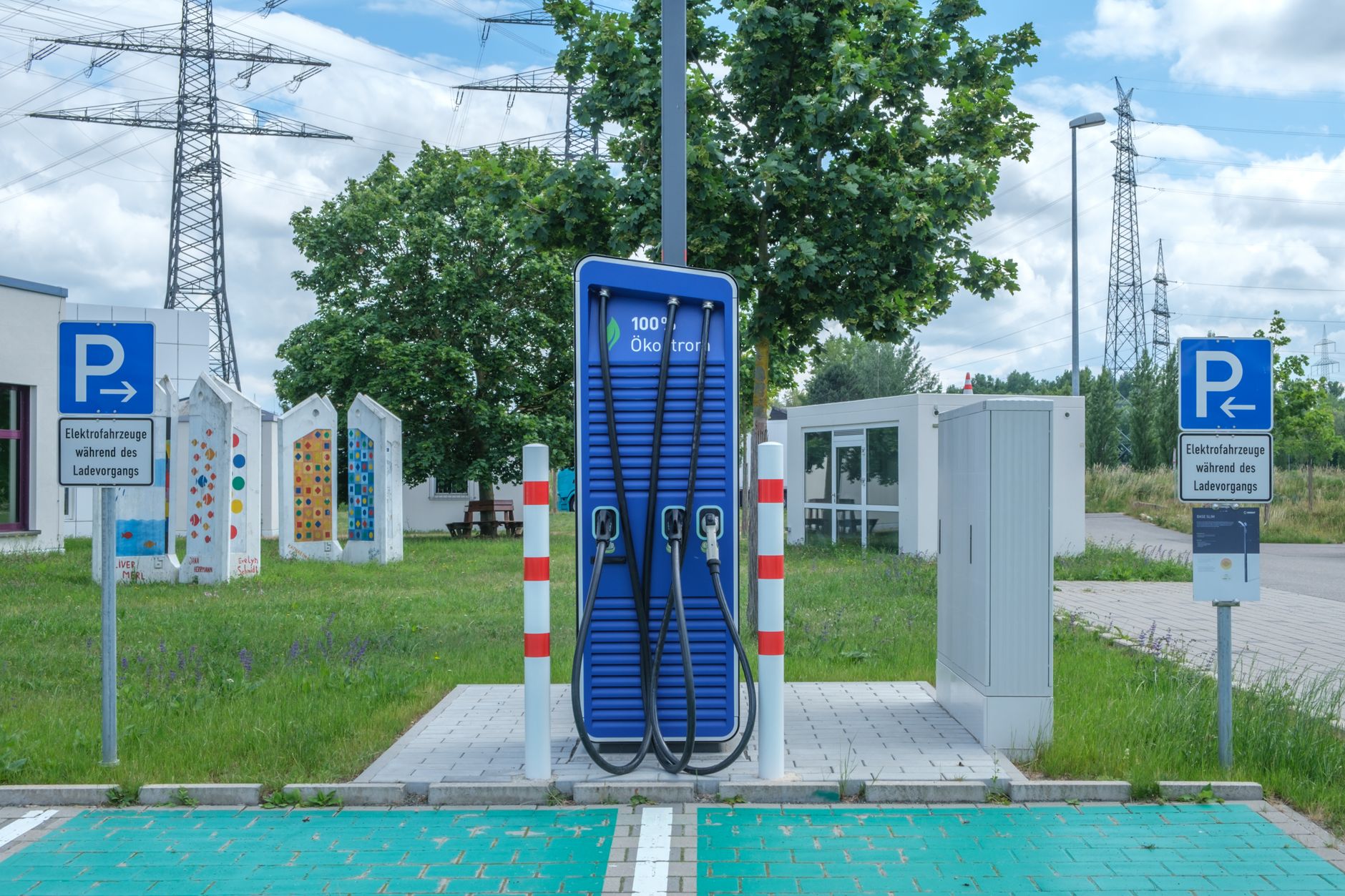
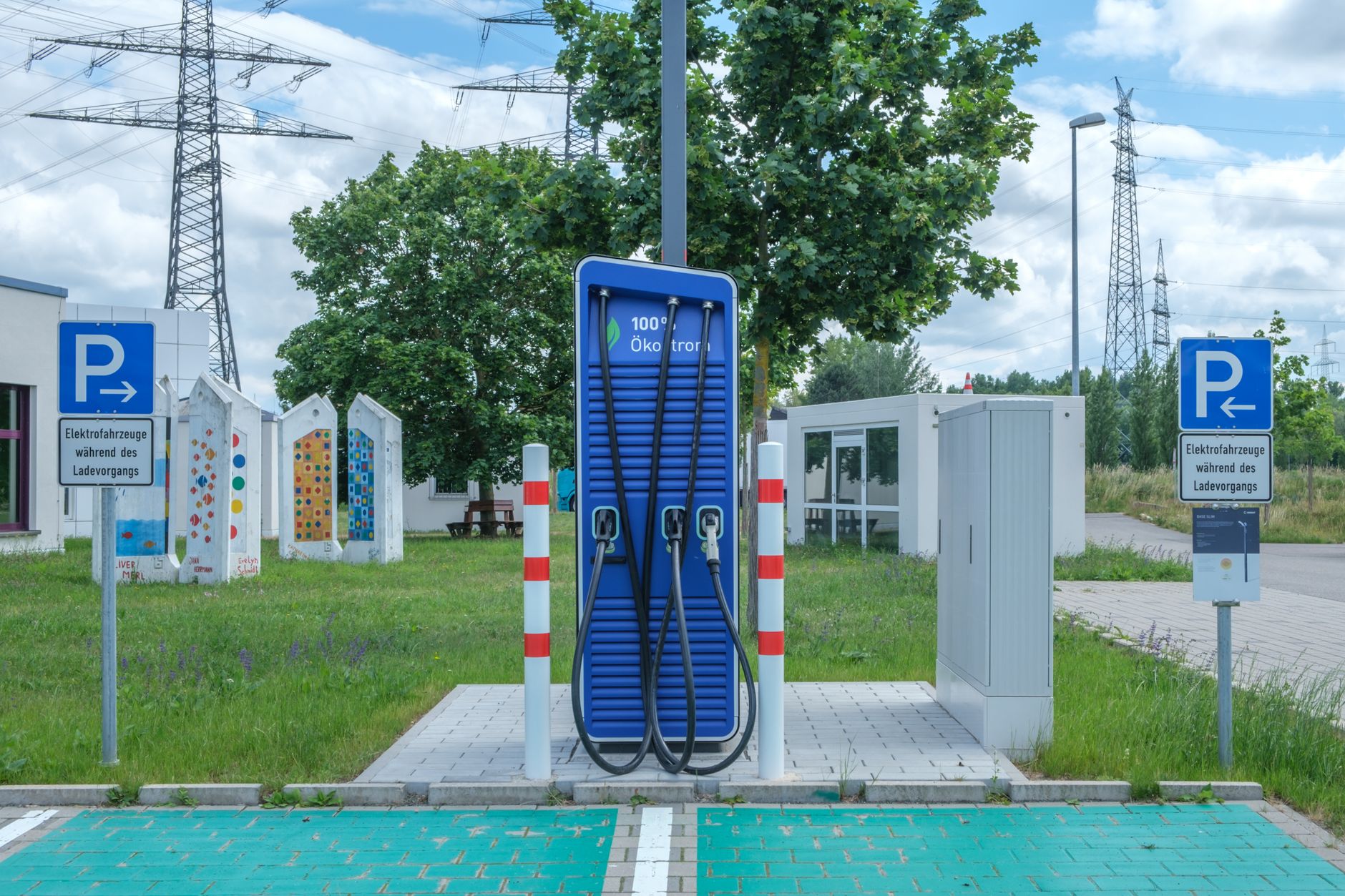
    Tesla deployed its first “Accordion” Supercharger on September 15, 2026 — a pre-assembled charging station that unfolds across a row of parking spaces instead of being built behind a curb, according to Tesla Charging.

    What makes it different

    A standard Supercharger site is built stall by stall, with trenching and electrical work done on location. The Accordion design ships a central V4 charging cabinet and 16 stalls’ worth of prefabricated charging posts on a single truck, already wired to snap into place once they arrive, Tesla Charging said. Tesla says the approach cuts installation costs by 20% compared to a conventional build, and Drive Tesla Canada reports that deployment time is roughly cut in half. “Our goal is to pre-assemble all Superchargers in a factory,” Tesla Charging said in its announcement.

    The design specifically targets sites where a curbside layout doesn’t work — tight retail parking lots and urban locations where stalls need to sit between parking rows rather than along an edge, as Electrek notes.

    Why it matters, and why it isn’t near you yet

    Tesla’s Supercharger network has kept growing, but its annual pace has slowed — from 35-45% growth in 2020-2021 down to roughly 17% by mid-2026, per Electrek’s analysis of Tesla’s own site-count data. A cheaper, faster way to build stalls in locations that were previously hard to site could help close that gap, especially in dense areas where an owner is more likely to be charging in a retail lot than at a highway exit.

    That said, the first unit is confirmed running in Europe, not the US, and Drive Tesla Canada notes the electrical conduit approach used in the design may need to be adapted for North American commercial wiring codes before it shows up at US sites. Tesla hasn’t given a timeline for a North American rollout as of this writing, so treat this as an early look at where Supercharger construction is headed rather than a change that affects your nearest station right now.

    Photo by Reinhard Bruckner.
  • Tesla just opened 32 more Supercharger ports to non-Tesla drivers on the Mass Pike

    Tesla just opened 32 more Supercharger ports to non-Tesla drivers on the Mass Pike

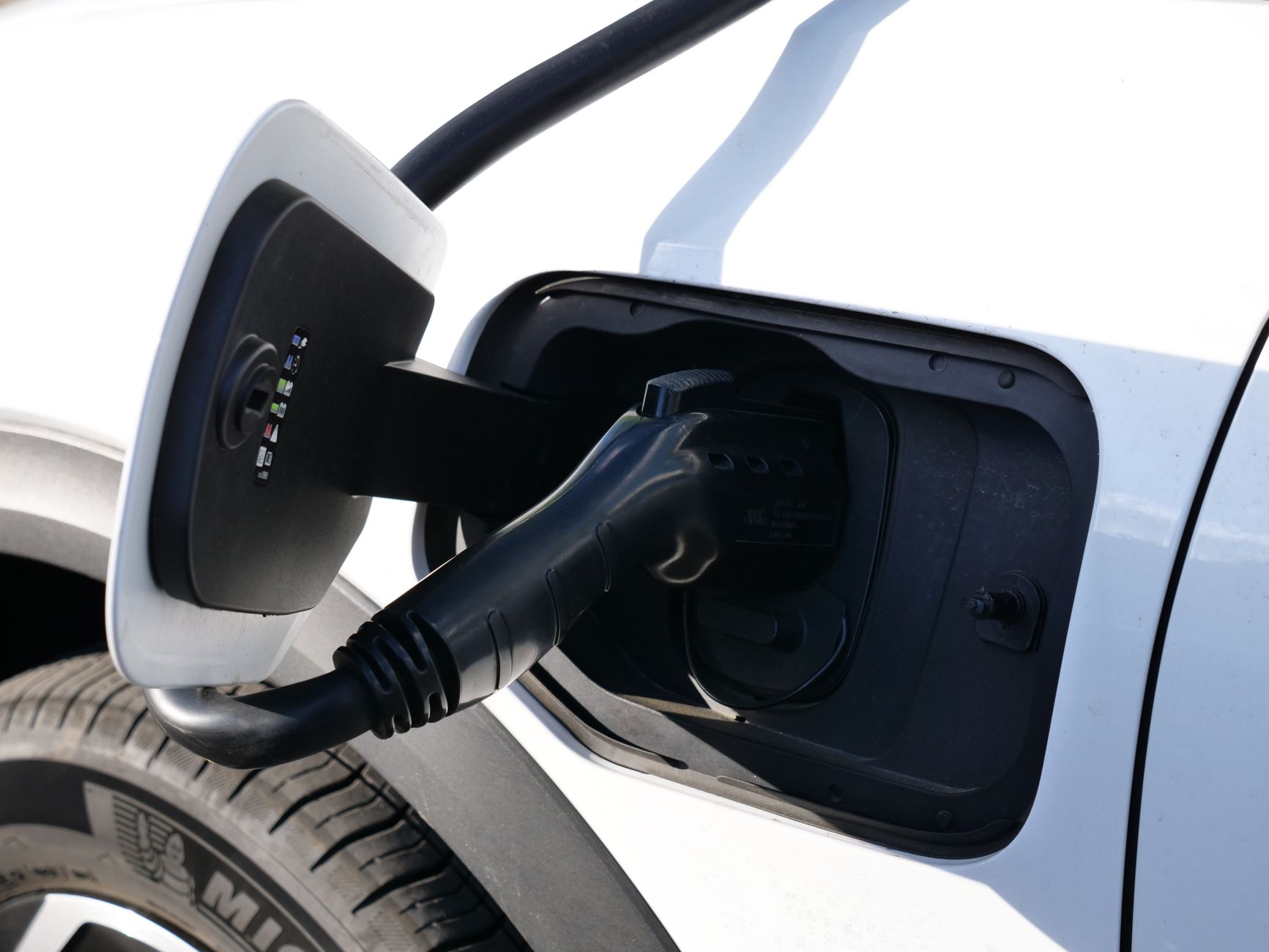
    If your road trip runs through Massachusetts, your usual Supercharger stop just got more crowded — on purpose. Tesla and the Massachusetts Department of Transportation amended their agreement to open fast chargers at four state-owned rest stops to every EV brand, not just Tesla, adding 32 charging ports that were previously Tesla-only, according to The Boston Globe. The newly opened stations are at both Charlton rest stops on the Mass Pike and at Lexington and Newton on I-95.

    What changes for you at these stops

    The chargers themselves haven’t changed — you’ll plug in the same way you always have. What’s changed is who else can use them. Non-Tesla EVs without a native NACS port need an adapter to charge, and the Globe reports non-Tesla drivers pay noticeably more than Tesla owners at these locations: roughly 46 cents per kilowatt-hour overnight, rising to about 70 cents during peak hours at the Newton site. If you’re used to having these four stations mostly to yourself, expect more competition for a stall, especially during the same peak afternoon and evening windows non-Tesla drivers now have an incentive to avoid.

    How to plan around it

    Before you commit to one of these four stops on a Massachusetts road trip, check live stall availability in the Tesla app or your car’s navigation rather than assuming a stall will be open — the same advice that applies to any Supercharger during a busy travel weekend. If Charlton, Lexington, or Newton show heavy use when you’re planning to pass through, Tesla’s trip planner will route you to the next-nearest Supercharger automatically, which may be the better bet rather than waiting.

    This is part of a broader pattern: Tesla has been opening Supercharger access to other EV brands at a growing number of sites nationwide since 2024, and the Massachusetts rest-stop expansion is the latest example of what that looks like once non-Tesla traffic actually shows up at a shared location.

    Photo by Giant Asparagus.

  • Why one Supercharger stall can charge faster than the one next to it.

    Why one Supercharger stall can charge faster than the one next to it.

    Two Teslas can plug in at the same Supercharger site and get very different charging speeds, even with similar batteries and similar states of charge. Part of the reason is which stall each car happens to use, not just which site it’s at.

    The biggest factor is which hardware generation is bolted to the ground at that stall.

    V3 versus V4, in plain terms

    “V3” and “V4” refer to the power cabinet that feeds a row of stalls, not the stall itself. Tesla’s V3 cabinet, which the company built for about seven years before retiring it, tops out at 250 kW per car and was designed around the 400-volt electrical systems used in the Model S, 3, X, and Y. Tesla’s newer V4 cabinet raises the ceiling to up to 500 kW and supports a much wider 400-to-1,000-volt range, which is what lets Cybertruck’s 800-volt battery pack charge meaningfully faster there than it can on V3. A single V4 cabinet also feeds up to eight stalls, twice what a V3 cabinet handles, according to reporting on the V3-to-V4 transition. For most Model S, 3, X, and Y drivers, though, a V4 stall currently still delivers around the same 250 kW peak they’d get on V3 — the 500 kW ceiling is mainly for Cybertruck and future 800-volt vehicles for now.

    So the generation printed on the cabinet sets a hard ceiling on your charging speed before your neighbor ever factors in.

    Why the stall next to you can matter

    At many older Supercharger sites, stalls are wired in pairs that share one power cabinet — think of stalls labeled 3A and 3B. If you’re alone at 3A, you can pull the cabinet’s full output. If someone pulls into 3B while you’re charging, the cabinet splits its power between you, and your charging speed can drop to roughly half what you were getting, especially early in the session when charging rates are highest. This paired setup is a feature of Tesla’s older 150 kW and slower Superchargers. On V3 and V4 hardware, each stall gets its own dedicated power electronics, so a neighbor plugging in next to you doesn’t cut your rate.

    Picking a faster stall

    A few things help when speed matters:

    • Check the hardware first. If a site mixes older and newer cabinets, or if your route options include both an older V2-era station and a nearby V3/V4 one, the newer cabinet is the safer bet for a full-speed charge.
    • At older, paired stations, don’t sit next to an active charger. If stall 3A already has a car plugged in and charging, skip 3B and take an unpaired or fully empty pair instead, per the same CleanTechnica breakdown of Supercharger pairing.
    • Use the live occupancy view before you commit. Tesla’s in-car navigation and app have shown real-time stall-by-stall status since Tesla first rolled it out in 2017, and as of December 2025 Tesla was piloting a 3D site map at select stations that shows each stall as available, occupied, or down before you pull in.

    None of this changes what your car’s battery and battery percentage can accept — that’s a separate ceiling of its own. But the stall you plug into sets a hard limit on top of it, and that limit can vary from one charger to the next at the very same site.

    Photo by Giant Asparagus.

  • Tesla plans one of its biggest Superchargers yet, in San Francisco.

    Tesla plans one of its biggest Superchargers yet, in San Francisco.

    Tesla has filed planning permits for a 124-stall Supercharger station in San Francisco, according to Electrek’s review of the filing, published August 12, 2026. If built as proposed, it would be one of the largest Supercharger sites Tesla has put forward in a dense city center rather than along a highway corridor.

    Where and how big

    The site sits on a triangular lot at the corner of Alemany and Bayshore on the city’s south side, next to US-101, currently used as a taxi storage lot. The filing calls for 124 V4 charging stalls run by 16 Tesla power cabinets, with the V4 hardware capable of charging at up to 500 kW — though as with other 500 kW-rated Supercharger sites, most current Tesla models can’t draw that full rate yet. The plan also includes a 400-square-foot amenity building with two ADA-accessible restrooms and a small vending area for coffee and snacks.

    Why a station this size, in a city

    Most Supercharger stations near or above 100 stalls have gone up along interstate routes to serve road-trip traffic between cities, not inside dense urban neighborhoods. San Francisco has a heavy concentration of Tesla owners who live in apartments or homes without off-street parking, which means many of them rely on public charging entirely rather than topping up overnight at home. A large in-city station is a bet on that specific kind of owner needing frequent, fast charging close to where they live, not just travelers passing through.

    What’s not decided yet

    Electrek’s report is based on planning permits, not a confirmed construction start — the filing is an early step, and no timeline for breaking ground or opening has been published. Permitted plans can still change size or scope before a project is actually built. If you charge in the San Francisco area, treat this as a station to watch for, not one to plan a trip around yet.

    Photo by Reinhard Bruckner.

  • Tesla names 36 new Supercharger sites picked by owner vote

    Tesla names 36 new Supercharger sites picked by owner vote

    Tesla announced the winners of its latest Supercharger Voting round on August 25, revealing 36 new locations selected by owners across North America, South America, Europe, the Middle East, and Asia-Pacific, according to Not a Tesla App. The winning sites include 16 in the United States, three in Canada, and locations spread across 15 other countries and regions, including Australia, Japan, South Korea, Taiwan, Malaysia, Israel, Italy, Croatia, Hungary, Poland, Portugal, Serbia, Switzerland, Turkey, the United Kingdom, and Colombia.

    The results come from Tesla’s Supercharger Voting program, which has run on a quarterly cycle since 2022. Account holders get up to five votes per round, with a maximum of one vote per proposed site, and can also nominate locations not yet on the map. Voting has already reopened for the next selection round.

    Winning a vote is not a finished charger

    A win in the voting round does not guarantee a charger goes live on any set timeline. As Tesla North reported, sites still need to clear land acquisition, power hookups, and local permitting before construction can begin, so the 36 newly announced locations could take months or longer to open depending on the market. Tesla North also noted that an eight-stall Supercharger recently opened in Princeton, New Jersey, that had itself been a prior voting winner, illustrating the typical lag between a site being chosen and a charger actually opening to drivers.

    Neither Tesla nor the outlets reporting the winners have published exact street addresses for the 36 sites; that detail typically follows once permitting is further along. Tesla has not set a public timeline for opening any of the newly selected locations.

    Part of a broader charging build-out

    The voting program is one piece of Tesla’s wider Supercharger expansion this year, which has also included large urban projects such as a planned 124-stall V4 site in San Francisco and continued growth of the Supercharger for Business program that lets third parties, including EVgo, install Tesla-built and Tesla-operated stalls. The owner-vote mechanism remains distinct from those efforts in that it lets Tesla’s existing driver base directly influence where the network grows next, rather than Tesla or a partner selecting sites unilaterally.

    Owners who want a say in the next round can cast votes at Tesla’s Supercharger Voting page, where the current cycle is now open following the announcement of the August 25 winners.

    Photo by Giant Asparagus.

  • EVgo is adding Superchargers to its network. Here’s what that means for your road trip.

    EVgo is adding Superchargers to its network. Here’s what that means for your road trip.

    EVgo announced on August 5 that it’s deploying its own branded “EVgo Superchargers” — Tesla V4 hardware capable of up to 500 kW — across its metro charging network, according to EVgo’s press release. The stations use Tesla’s Magic Dock, so NACS (Tesla-plug) and CCS-equipped EVs can both plug in without an adapter.

    What changes for your trip planning

    EVgo says the new stations will show up in your Tesla’s in-car navigation, and Trip Planner will be able to route you to them automatically, the same way it already routes you to Tesla-operated Superchargers. EVgo puts the charging speed at up to 200 miles of range added in about 15 minutes under ideal conditions. Deployment starts this fall, with the first sites expected online in the second half of 2026 — EVgo hasn’t published specific station addresses yet, so you won’t see them on a map until they’re closer to opening.

    These aren’t Tesla-operated stations

    It’s worth keeping the distinction straight: EVgo Superchargers are owned and operated by EVgo, not Tesla, even though they run on Tesla’s V4 charging hardware and Magic Dock technology. EVgo expects more than 35 NACS-equipped EV models on the road by the end of 2026, on top of the more than 3 million Tesla vehicles already in the U.S., all of which will be able to use these stations.

    What to do in the meantime

    Until EVgo publishes real locations, there’s nothing to change about how you plan a trip today — keep using your Tesla’s Trip Planner and Tesla’s own Supercharger network as your primary route. Treat EVgo Superchargers as an additional network to watch for, not a replacement, especially in metro areas where Tesla’s own stations can get crowded.

    Photo: Reinhard Bruckner via Pexels.

    Photo by Reinhard Bruckner.

  • Supercharger etiquette: what to do when you pull up, and when to leave.

    Supercharger etiquette: what to do when you pull up, and when to leave.

    Most Supercharger stops don’t require any thought beyond plugging in. But at a busy station, a few habits make the difference between an easy stop and a line of cars waiting for a stall, and between a free charge and an unexpected fee.

    Charge to what you need, not to 100%

    Tesla’s own guidance is direct about this: the company wants drivers to “charge only as much as is needed for their trip, rather than all the way to 100%” when a station is busy. Charging speed also slows dramatically past 80%, so topping off to 100% at a crowded stop mostly means you sit longer for a small amount of extra range, while everyone behind you waits.

    Move your car when you’re done

    Tesla compares an occupied, fully-charged stall to a car left parked at a gas pump: something you’d never do, and something the Supercharger network is designed to discourage. Congestion fees kick in when a station is busy and your car has either hit 80% or finished its charging session, and Tesla gives you a five-minute grace period to unplug and pull away before the per-minute fee starts. Rates vary by location, but the fee only applies at stations that are already crowded, so an empty station won’t charge it even if you linger.

    Park to share power, not to block it

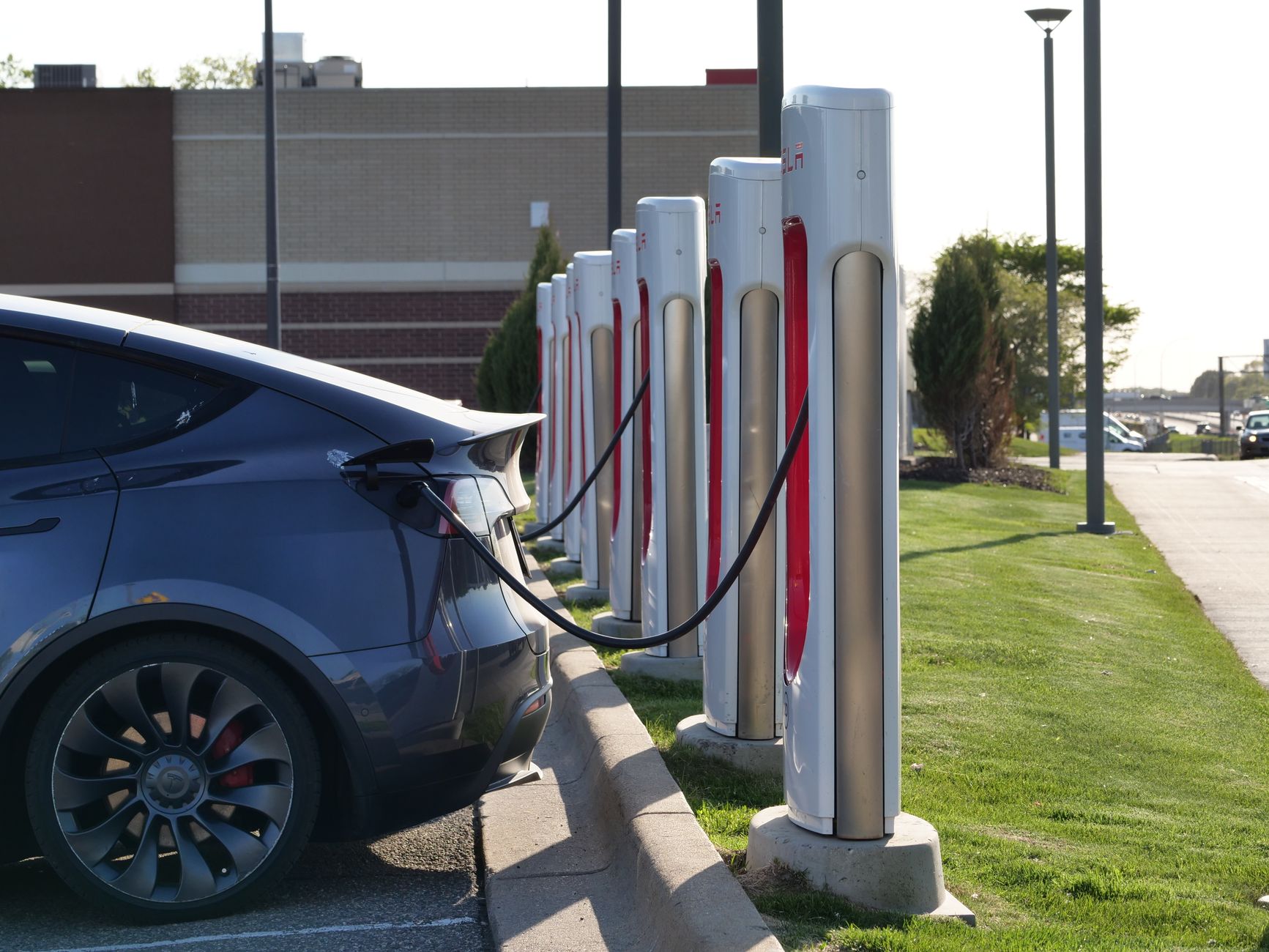
    Many Supercharger stalls share power in pairs, which means the car you park next to can affect your own charging speed. According to InsideEVs, parking next to a stall that’s already occupied and charging, rather than starting a new pair, helps balance the load between both cars instead of splitting a fresh pair’s shared power unevenly. It’s a small choice, but at a full station it adds up.

    Let the app do the watching

    You don’t need to sit in the car or hover nearby to avoid a fee. The Tesla app sends a notification as your charge nears completion and again once it’s done, so you can grab coffee or use the restroom and still get back before the grace period runs out. At a quiet station off-peak, none of this matters much. At a packed one on a holiday weekend, it’s the difference between a five-minute stop for the next driver and a ten-minute wait.

    Photo by Giant Asparagus.

  • Destination charging isn’t Supercharging. Here’s when to use each.

    Destination charging isn’t Supercharging. Here’s when to use each.

    Your Tesla can charge in two very different ways once you’re away from home, and mixing them up can cost you time or money. Superchargers are built for speed: Tesla’s official charging support page says they can add up to 200 miles of range in about 15 minutes, and the network now includes more than 80,000 Superchargers worldwide, positioned along major routes so you can charge quickly and get back on the road.

    Destination charging works differently. These are Wall Connectors installed at hotels, restaurants, resorts, and other places you’re likely to spend a few hours, and Tesla says there are more than 40,000 of them in urban and rural locations. Instead of a fast top-up, destination charging adds roughly 44 miles of range per hour, according to Tesla, which is closer to what you’d get charging at home overnight.

    The practical difference comes down to who pays and how it’s built into your plans. Superchargers typically cost around 25 cents per kWh and bill automatically to your account. Destination chargers are usually free to use, since the property owner covers the electricity cost as a perk for guests, not Tesla.

    That makes the choice mostly about your itinerary rather than your battery. If you’re mid-road-trip and need to keep moving, a Supercharger is the right call almost every time — waiting hours for 44 miles an hour doesn’t make sense when you have somewhere to be. But if you’re stopping for the night at a hotel or settling in for a long dinner, plugging into a destination charger costs you nothing extra and doesn’t add the wear that comes with relying on DC fast charging for every charge. Most owners end up using both: Superchargers for the miles that matter, destination chargers for the miles that come free while you’re already parked.

    Both charger types show up in your car’s navigation and the Tesla app when you search for charging along a route, so you don’t have to guess which type is nearby before you plan a stop.

    Photo by Reinhard Bruckner.

  • Tesla’s newest Superchargers can hit 500kW. Most Teslas still can’t use it.

    Tesla’s newest Superchargers can hit 500kW. Most Teslas still can’t use it.

    Tesla’s Supercharger hardware keeps getting faster, but the vehicle plugged into it usually isn’t the reason a charging session takes as long as it does. As of Tesla’s Q2 2026 network report, the company is now deploying a new generation of V4 charging cabinets capable of 500kW per dispenser, with roughly 10 U.S. sites live as of mid-May and more being added. The network overall passed 8,700 stations and 82,000 stalls worldwide by the end of the quarter.

    That 500kW number describes the hardware’s ceiling, not what any given car actually receives. Tesla already pushed existing V4 stalls to a lower but still-faster 325kW cap via an over-the-air update, according to Not a Tesla App and InsideEVs. The only Tesla that can pull that rate today is the Cybertruck, because it runs an 800-volt battery architecture. Model 3, Model Y, Model S, and Model X all use 400-volt packs, which remain capped at roughly 250kW regardless of how fast the stall itself can go.

    In practice, that means plugging a Model Y into a brand-new 500kW V4 stall next to a Cybertruck doing 325kW won’t get the Model Y there any faster. The stall provides the ceiling; your car’s own battery voltage sets the actual limit. Neither Tesla nor the outlets covering the rollout have published a timeline for bringing 400-volt models up to the higher speeds, so for now, upgrading the charger network mainly benefits Cybertruck owners and whatever higher-voltage vehicles Tesla builds next.

    A few things are still worth knowing before your next road trip:

    • Charging speed on any Tesla drops well before 100% regardless of stall hardware. The car protects the battery by slowing the rate as it fills, which is why Tesla’s own trip planner times your stops for a partial charge rather than a full one.
    • Not every Supercharger site has been upgraded to V4 yet. Older V2 and V3 stalls remain common, and the model of your car matters more than which generation of stall you pull into.
    • Precondition the battery before you arrive. Tesla’s navigation does this automatically when you route to a Supercharger, and it’s the single biggest factor in hitting your car’s actual peak rate, whatever that ceiling is.

    If you’re cross-shopping Tesla models partly on charging speed, that’s really a question about battery architecture, not which Supercharger stall you’ll plug into. Right now, that puts Cybertruck in its own category, with the rest of the lineup charging at speeds that have held steady for a while.

    Photo by Kindel Media.

  • Tesla’s Q2 2026 earnings: what it means for owners.

    Tesla’s Q2 2026 earnings: what it means for owners.

    Tesla reported its second-quarter 2026 results on July 22, and the headline numbers cut two ways. Revenue hit a record $28.24 billion, up 26% year over year, and Tesla delivered 480,126 vehicles in the quarter — also a record, up 25% from a year earlier. Profit told a different story: operating income fell 57% to $398 million, pushing operating margin down to 1.4%, and non-GAAP earnings of $0.33 per share came in well under Wall Street’s expectations. Free cash flow turned negative for the first time in more than two years, as capital spending more than doubled to $5.79 billion. The stock fell sharply in the days that followed.

    None of that changes what’s sitting in your garage, but a few details in the report do matter if you already own a Tesla or are waiting on one.

    The Supercharger network kept expanding. Tesla ended the quarter with 8,704 stations and 82,357 connectors, up 18% and 17% year over year, with more than 2,400 net new stalls added in the quarter alone. That’s the network you actually rely on for road trips, and it’s still growing faster than the vehicle lineup itself.

    Service got more profitable, not less. Tesla’s Services and Other segment — which covers repairs, parts, and used-vehicle sales — posted record quarterly profitability, with gross margin reaching 14%. A service business that makes money is generally a good sign for parts availability and appointment capacity, since it gives Tesla less reason to treat service as a cost center.

    FSD and Robotaxi kept scaling. Active FSD subscriptions reached 1.48 million, up 56% year over year, and Tesla’s Robotaxi service expanded to seven U.S. metro areas, including new unsupervised launches in Miami, Orlando, and Tampa in July.

    The profit miss traced mainly to two things that don’t touch the ownership experience directly: a collapse in regulatory credit revenue, down to $146 million from $439 million a year earlier following the federal EV tax credit’s expiration, and the capex surge funding Tesla’s AI and robotics push. Whether that spending pays off is a question for investors. For owners, the more relevant facts in this report are the ones about the charging network and the service department you’ll actually use.

    Photo by Giant Asparagus.