Category: News

  • Tesla confirms a Cybercab launch event for September 3 in Austin.

    Tesla confirms a Cybercab launch event for September 3 in Austin.

    Tesla has confirmed a Cybercab launch event for September 3, 2026, in Austin, Texas, according to invitations sent to riders of its Robotaxi app. The event marks the first public look at the two-seat, steering-wheel-free vehicle actually joining Tesla’s Austin robotaxi service.

    What’s actually happening

    Access to the event is limited to top performers in Tesla’s Robotaxi rider sweepstakes, with winners announced August 26. Attendees must be at least 21 with a valid ID, and the RSVP deadline is August 30. Tesla says it will livestream the event, so it won’t be invite-only for everyone — anyone can watch online.

    Cybercab itself isn’t new; Tesla unveiled the concept in 2024. What’s new is a confirmed date for it to start operating as part of the same robotaxi fleet that currently runs Model Y vehicles in Austin. Per Electrek’s reporting, the production version carries a 48 kWh battery and is rated at roughly 165 Wh per mile of efficiency — Tesla’s most efficient vehicle to date, though official EPA figures haven’t been published.

    What it means if you own a Tesla

    If you’re not in Austin or don’t use the robotaxi app, this event doesn’t change anything about your car. It’s worth knowing about mainly because it signals Tesla is starting to diversify its robotaxi fleet beyond the Model Y — which matters if you’re weighing whether to use Tesla’s ride-hailing service on a future trip, or just tracking where FSD and robotaxi development are headed. Electrek’s reporting notes the current unsupervised robotaxi fleet remains small, in the neighborhood of 20 to 30 vehicles, so Cybercab’s addition is an expansion of vehicle types, not a leap in scale.

    Tesla has not said when, or if, Cybercab will be available outside Austin, or whether it will ever be sold directly to individual owners rather than operated as part of the robotaxi network. Until Tesla says otherwise, treat any timeline beyond September 3 as unconfirmed.

    Photo by Elsie Soto.

  • Tesla just recalled 3 million cars in China over door handles. Here’s what it means for US owners.

    Tesla just recalled 3 million cars in China over door handles. Here’s what it means for US owners.

    Chinese regulators recalled almost 3 million Tesla vehicles this week over a safety concern that has nothing to do with software glitches or battery defects: owners and rescuers may not be able to find the emergency door release fast enough in a serious crash. It’s not a US recall, but the underlying issue is already moving through US regulators too.

    What happened in China

    On August 21, 2026, Tesla filed a recall covering nearly 3 million vehicles in China — about 1.9 million Model Y and 970,000 Model 3 units. The problem: the mechanical emergency door release, meant to work as a backup when the car loses electrical power, is tucked into the door trim closely enough that occupants and first responders can struggle to find it during a severe collision. Tesla’s fix is free and doesn’t require a shop visit: warning labels marking the release location, plus an over-the-air update that automatically lowers the windows after a crash is detected.

    Why US owners are hearing about this too

    The China recall is a China-market action — it does not cover US-sold Model 3 or Model Y vehicles. But the same design question has been in front of US regulators for months. In July 2026, the National Highway Traffic Safety Administration denied a petition asking it to open a formal defect investigation into 2022 Model 3 door releases, after finding only a single matching complaint among roughly 179,000 vehicles in that petition. At the same time, NHTSA granted a separate petition to start rulemaking on an industry-wide standard: a “robust and obvious door egress system” for all new vehicles, not just Teslas.

    That rulemaking process takes years and, once finalized, would apply to future vehicles rather than the ones already on the road. So for now, nothing changes for a US Model 3 or Model Y owner — there’s no recall, no required service, and no software update tied to this specific action.

    What to actually do

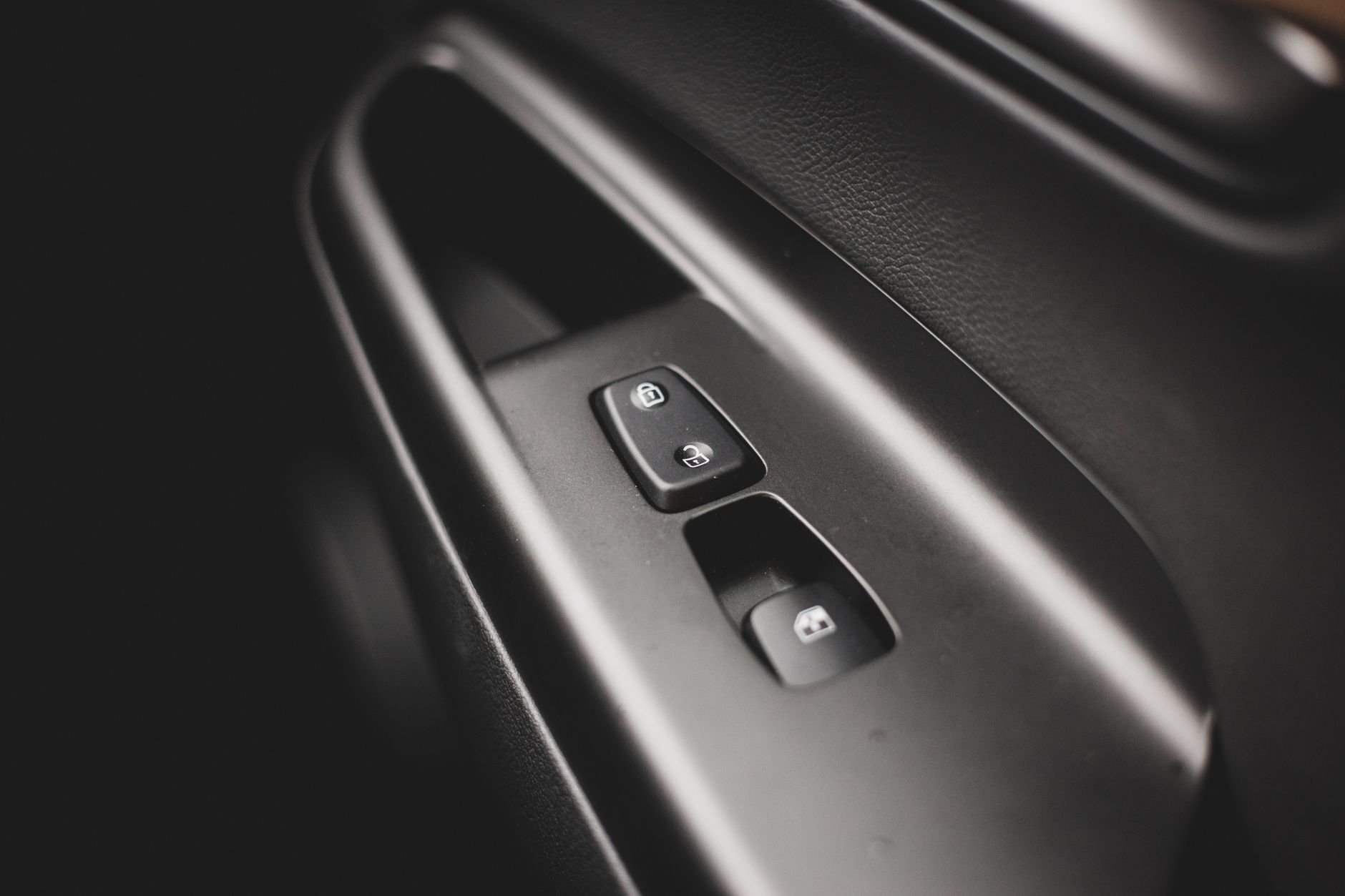
    You don’t need to do anything for this China recall — it isn’t yours. But it’s a good prompt to know your own car’s manual release before you ever need it under stress. On a Model 3 or Model Y, the front manual releases are low on the door panel near the window switches, and rear manual releases are typically under the door pocket or near the seat track, depending on model year. If you can’t find yours in a few seconds in a parked, well-lit car, it will be harder in a real emergency. Tesla’s official support site lists the exact release locations for your specific model and year.

    China has also said it will require mechanical door releases on all new vehicles starting January 1, 2027, ending fully concealed electronic handles there. Whether that pressure eventually reshapes US design standards is now a rulemaking question, not a recall question — worth watching, not worth acting on today.

    Photo by Erik Mclean.

  • Nevada approved up to 5,000 Tesla robotaxis in Las Vegas.

    Nevada approved up to 5,000 Tesla robotaxis in Las Vegas.

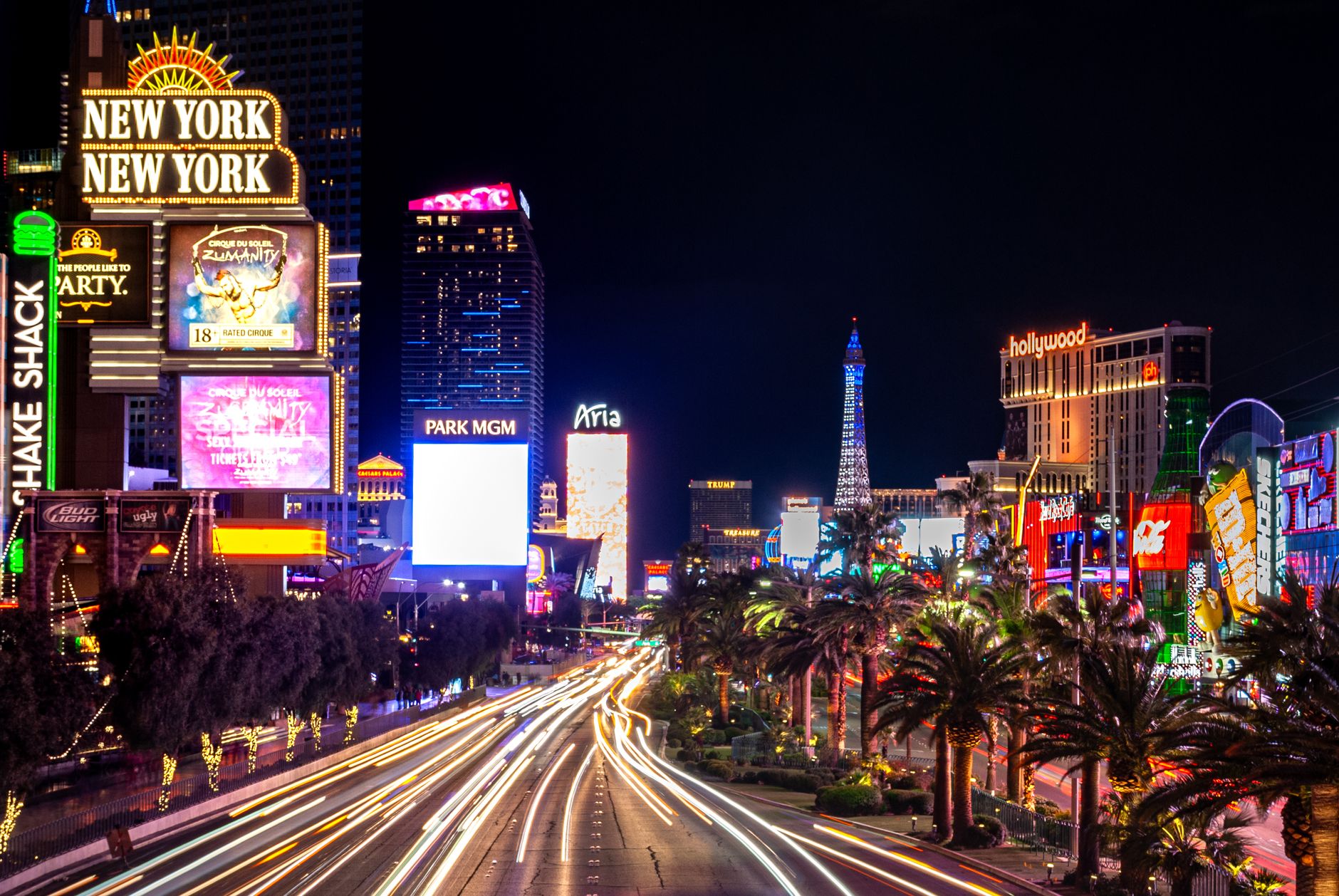
    The Nevada Transportation Authority approved commercial robotaxi permits on August 20 that let Tesla operate up to 5,000 driverless vehicles in Clark County, home to Las Vegas, over the next 12 months. Waymo and Uber received permits as well, according to TechCrunch’s report on the ruling.

    What was actually approved

    Tesla’s permit authorizes up to 5,000 robotaxis; Waymo’s caps out at 1,000, and Uber’s separate permit — covering vehicles operated through its Motional and Zoox partnerships — allows another 1,000, plus a smaller existing Zoox permit for 100 vehicles. That puts the combined ceiling for all operators at roughly 8,000 vehicles across the county. The permits followed an earlier, far more limited approval in July that capped Tesla at just 10 vehicles with a 45-mph speed limit and other restrictions, according to InsideEVs.

    The 5,000-vehicle number is a ceiling, not a deployment plan. Tesla’s Cybercab chief engineer told reporters, “The 5,000 has always been a ceiling for us. I don’t think we’ll be in a position by this time next year to deploy 5,000 vehicles” — adding that Tesla would be satisfied reaching around 2,500 robotaxis on Nevada roads within the year, per TechCrunch.

    What it means for owners

    This permit governs Tesla’s own robotaxi fleet, not personal vehicles running Full Self-Driving — it doesn’t change what your car can do or unlock any new features. It does mark Nevada as the newest market in Tesla’s expanding robotaxi footprint alongside cities like Austin and Miami, and it’s a real signal of how fast (or slowly) that network is actually scaling relative to the permits Tesla is requesting. Local taxi and livery operators opposed the approval, citing concerns about oversaturating Las Vegas roads.

    Photo by David Vives.

  • Tesla has discontinued Solar Roof.

    Tesla has discontinued Solar Roof.

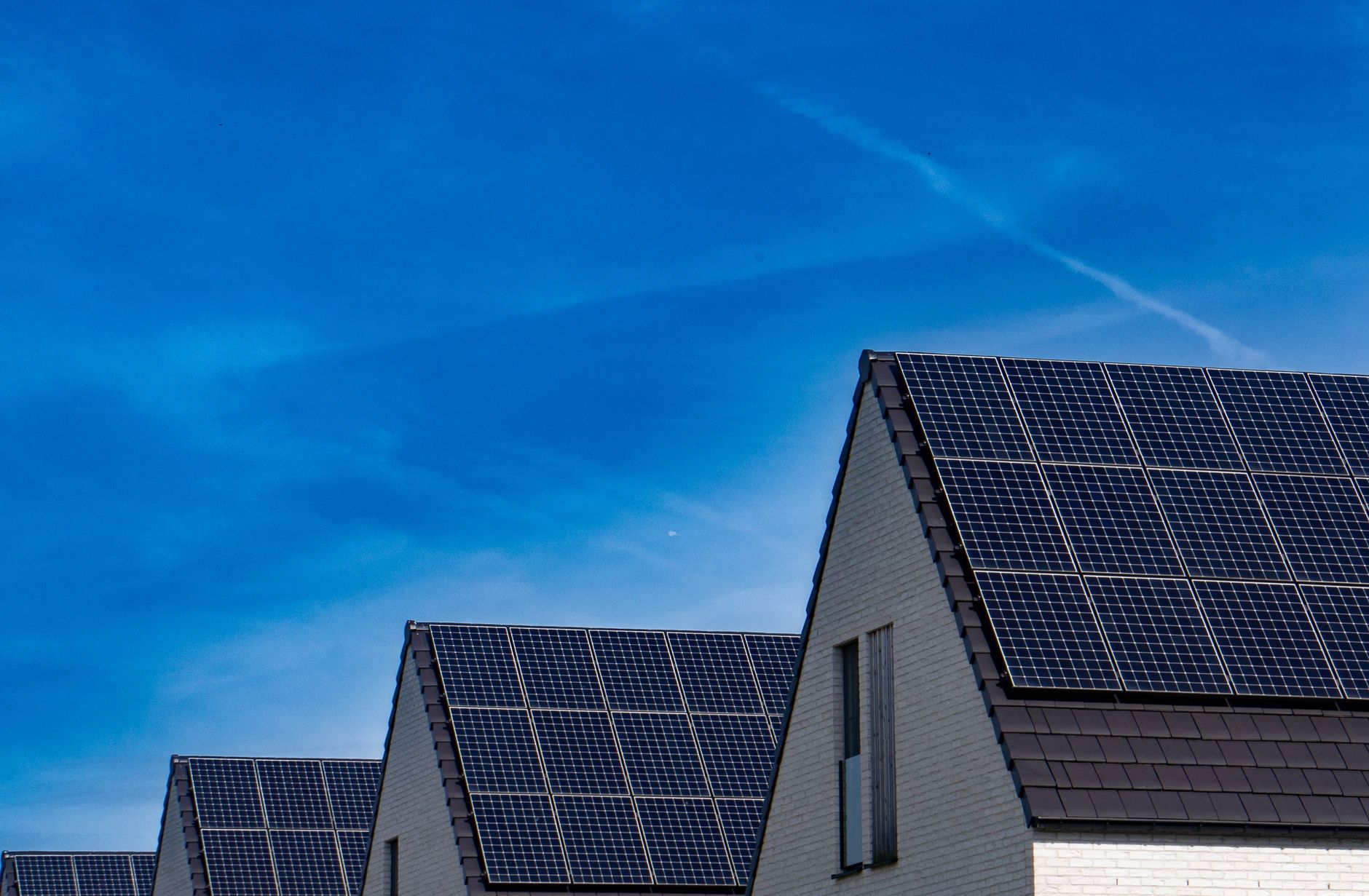
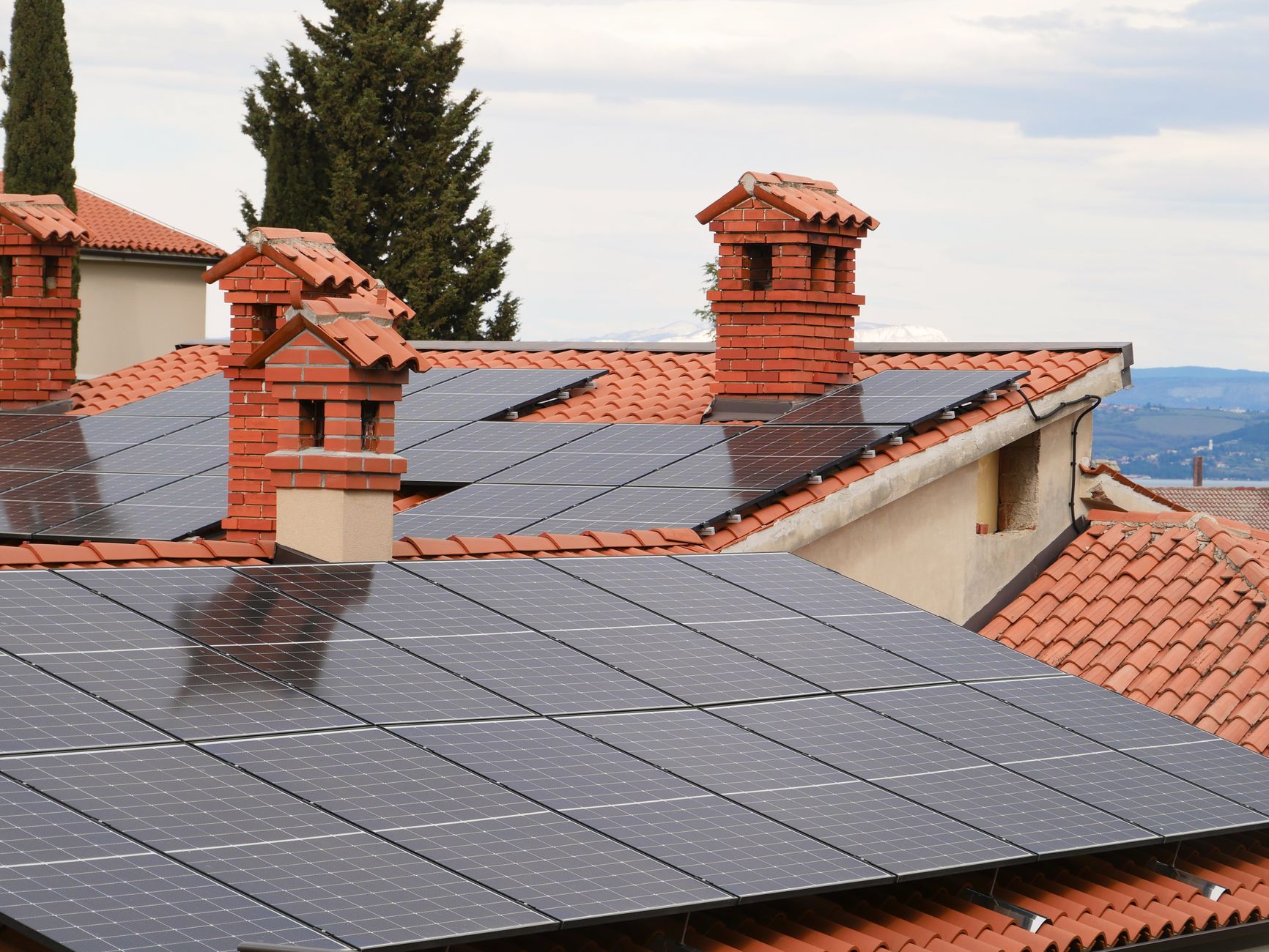
    Tesla has stopped taking new orders for Solar Roof, the shingle-style solar tile product it has sold since 2016. The company confirmed to third-party installers that solar roof tiles are “no longer available to order,” and will supply only its conventional solar panels going forward.

    What Tesla told installers

    Tesla’s decision was first reported by Electrek on August 20, 2026, which cited communication to certified installers stating the tile product “is not financially viable.” The economics never scaled: Solar Roof tiles require far more labor to install than standard panels, and shading or roof-shape limitations made the product a workable option mainly for larger, more expensive homes.

    Evidence the wind-down was already underway

    The discontinuation wasn’t a sudden announcement so much as the confirmation of a trend. Tesla’s own Solar Roof page now redirects visitors to its standard solar panels page, and “Solar Roof” has been removed from the Energy section of Tesla’s site navigation. Tesla also quietly stopped breaking out Solar Roof installation numbers in its quarterly shareholder reports starting in early 2024. Since its 2016 debut, tied to Tesla’s $2.6 billion acquisition of SolarCity, the tile roof reportedly reached only around 3,000 U.S. installations in seven years — a small fraction of Tesla’s overall solar business.

    What this means if you’re considering solar for your Tesla

    If home solar was part of your plan for charging a Tesla more cheaply, this doesn’t take options off the table — it narrows them. Tesla still sells and installs standard solar panels, and its home battery, Powerwall, remains available and is what actually stores solar power for charging overnight or during an outage. If you were specifically drawn to the tile aesthetic of Solar Roof, that path now runs through other manufacturers rather than Tesla. Anyone with an existing Solar Roof system isn’t affected by this change in the way a new buyer would be; Tesla’s announcement was about future orders, not currently installed systems.

    Photo by Budget Bizar.

  • New York still pays you to buy a Tesla. Here’s how much.

    New York still pays you to buy a Tesla. Here’s how much.

    New York has a state-level rebate for electric vehicles, and in 2026 it applies to several current Tesla trims. The Drive Clean Rebate, run by the New York State Energy Research and Development Authority (NYSERDA), knocks up to $2,000 off the price of a qualifying electric car at the dealership, with no application or tax filing required. More than 200,000 New Yorkers have used it since the program launched, according to NYSERDA’s program page.

    How the rebate is calculated

    The amount depends on two things: the car’s EPA-rated electric range and its base MSRP. According to NYSERDA’s consumer FAQ, any plug-in electric vehicle with an MSRP over $42,000 qualifies for a flat $500, regardless of range. Vehicles at or under that $42,000 line are split into three tiers: $2,000 for more than 200 miles of range, $1,000 for 40 to 199 miles, and $500 for under 40 miles. The FAQ confirms leases qualify if the term runs at least 36 months, and outright purchases carry the same 36-month minimum ownership expectation. The rebate is applied at the point of sale by the dealership, so you don’t file for it yourself and there’s no separate paperwork after signing.

    What this means for a Tesla buyer

    NYSERDA’s eligible models list, current as of this writing, includes six separate Tesla listings, each with its own MSRP and rebate tier:

    • Model 3 RWD: MSRP $36,990, 321-mile range, $2,000 rebate
    • Model 3 Premium and Performance: MSRP $42,490, 272-363 mile range, $500 rebate (about $490 over the cap)
    • Model Y RWD and AWD: MSRP $39,990, 294-321 mile range, $2,000 rebate
    • Model Y Premium and Performance: MSRP $44,990, 279-337 mile range, $500 rebate
    • Model S: MSRP $84,990, $500 rebate
    • Model X: MSRP $89,990, $500 rebate

    The pattern: base Model 3 and Model Y trims land under the $42,000 cutoff and qualify for the full $2,000. Move up to a Premium or Performance trim, or add enough options to push your configured price past $42,000, and the rebate drops to $500 no matter how much range you get. Model S and Model X sit well above the cap either way, so they’re locked into the $500 tier. Because the eligible-models table lists MSRP by trim rather than by every option combination, check your actual build price against the $42,000 line before assuming which tier applies, and confirm current listings directly on NYSERDA’s eligible models page, since vehicle listings and program rules can change.

    How much New Yorkers have actually collected

    Tesla is the single largest automaker in NYSERDA’s own rebate records. Torque News reviewed New York’s public Drive Clean dataset, which covers rebates issued since 2017 with data current through March 31, 2026, and found 102,021 Tesla rebate records worth $82.7 million combined. The Model Y accounts for 61,431 of those records at an average of about $650 per rebate; the Model 3 accounts for another 30,952 records averaging about $1,224 each. Together the two models represent roughly $77.8 million in rebates paid out. This is historical data, not a guarantee of what a specific trim qualifies for today, but it shows Tesla vehicles have had a steady, repeat presence on New York’s eligible-models list for years.

    The fine print

    This program is New York State only. You have to be a New York resident, business, or government entity, and you have to buy or lease from a dealership registered with the Drive Clean Rebate program. NYSERDA’s program page shows no funding pause or “rebates exhausted” notice as of this writing, but state EV rebate programs run on limited annual budgets and can run dry before the fiscal year ends, so confirm availability with your dealer before counting on it. It’s also one of the few EV purchase incentives still standing this year, now that the federal $7,500 tax credit ended for vehicles acquired after September 30, 2025.

    None of this is financial advice. Treat it as a starting point for a conversation with a participating New York dealer, who can confirm your exact configuration and rebate tier before you sign.

    Photo by Luke Miller.
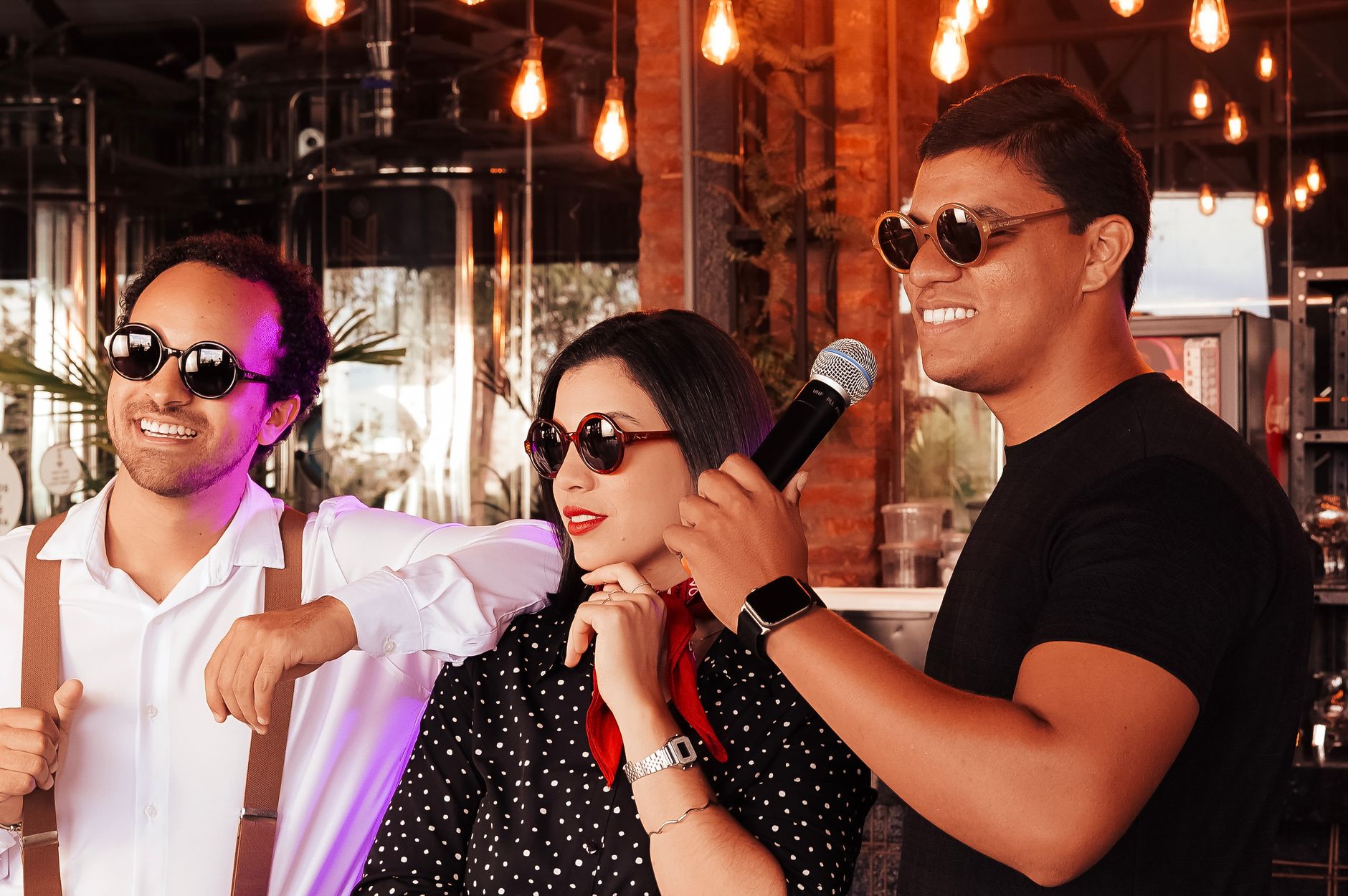
  • Tesla’s Caraoke Feature Now Scores Your Singing

    Tesla’s Caraoke Feature Now Scores Your Singing

    Tesla’s 2026 Summer Update, released as software version 2026.26 and refined in a follow-up 2026.26.1 patch, adds scoring to Caraoke, the automaker’s in-car karaoke app. The official release notes describe it this way: “Caraoke now scores your singing while in Park. Earn stars and track your high scores in the My Karaoke tab.”

    How it works

    The scoring feature only works when the car is stopped. Tesla Oracle, which covered the update on August 4, quotes the release notes stating: “Caraoke now scores your singing while in Park. High scores are saved to your Tesla profile.” So you cannot pull up a live score while driving — the car has to be shifted into Park first. Once it is, your saved profile keeps track of your best results in the My Karaoke tab.

    The release notes also mention a rear-display update: passengers can tap a queue button to bring up a QR code, scan it with their phone, and add songs to the queue themselves.

    Do you need a subscription

    Yes. The release notes list Caraoke with Scoring as a feature that “Requires Premium Connectivity”, Tesla’s paid data plan that runs about $10 a month in the US and also covers music and video streaming, live traffic maps, and satellite view. The scoring feature also needs the newer AMD-based infotainment computer that ships in the current Model S, Model 3, Model X, Model Y, and Cybertruck, according to the release notes.

    Not every car has it yet

    Like other Tesla software releases, the Summer Update is rolling out gradually instead of landing on every car at once. As of Tesla Oracle’s August 4 report, the update had reached roughly 15 to 20 percent of the fleet, and the outlet noted that some Hardware 3 cars running FSD v14 Lite and Hardware 4 cars on FSD v14.3 had not yet received it. If Caraoke scoring hasn’t shown up in your car, check your software update settings — Tesla typically keeps expanding a rollout over the following weeks.

    Photo by pedro furtado.

  • Tesla’s Summer Update lets some cars join Google Meet and Teams calls

    Tesla’s Summer Update lets some cars join Google Meet and Teams calls

    Tesla’s 2026.26 Summer Update, which began rolling out to vehicles in late July, gives the car’s built-in web browser access to the cabin camera and interior microphone. That lets owners join video calls through any browser-based conferencing service, including Google Meet, Microsoft Teams, Discord, and X Spaces, instead of relying only on the dedicated Zoom app Tesla added in 2022.

    Release notes quoted by Electrek describe the change simply: the “browser now supports camera and microphone.” When a website requests access, the car shows an on-screen permission prompt, similar to how a desktop browser handles it. Drivers can deny the request, allow it for that session only, or grant permanent access, according to Not a Tesla App. Once a call connects, the video feed automatically zooms in and crops to center the driver’s seat in frame.

    Which cars can use it

    The feature is limited to vehicles built with Tesla’s AMD Ryzen infotainment computer, generally 2022-and-newer Model 3, Model Y, Model S, and Model X. Cars still running the older Intel Atom-based system cannot access it, according to InsideEVs. It also only works while the car is parked; shifting into Drive disables the camera feed, Teslarati reports.

    Tesla distributes the Summer Update gradually in waves rather than all at once, so not every eligible car has it yet. Owners can check by opening Software on the touchscreen, then tapping Release Notes, according to Tesla’s own software update support page, which notes that full release notes for a given vehicle only appear in the car itself once an update installs.

    The video-conferencing change arrived alongside other features in the same 2026.26 release, including expanded voice commands for Tesla’s Grok assistant and new traction control modes for Model 3 and Model Y, both of which have already reached parts of the fleet in prior weeks.

    Photo by Vladimir Srajber.

  • Tesla is auctioning off its leftover Model S and Model X parts inventory.

    Tesla is auctioning off its leftover Model S and Model X parts inventory.

    Tesla is selling off large batches of new, unused Model S and Model X parts through B-Stock, a liquidation auction platform, according to a report from Not a Tesla App published August 17, 2026. The listings follow the end of Model S and Model X production and the removal of the Fremont assembly line that built them, which Tesla cleared out in 46 days to make room for Optimus manufacturing.

    What’s actually up for auction

    The listings are sized for repair shops and parts resellers, not individual owners. One auction offers 171 Model S center-console assemblies and related components, carrying a combined MSRP of $114,875, with bidding starting at just $175. A separate Model X auction covers 775 interior-pillar components valued at $270,645, with bidding opening at $100. Other listings include six pallets of Model X exterior lighting and chassis parts (MSRP $87,870) and nine pallets holding more than 10,000 Model S and Model X electrical components valued at $842,390.

    Why Tesla is doing this now

    The auctions line up with Tesla’s broader wind-down of the two nameplates. Model S and Model X production ended earlier in 2026, and the Fremont line that built them has been retooled for Optimus, Tesla’s humanoid robot. Selling off leftover parts inventory in bulk is a standard way for an automaker to clear warehouse space once a model is no longer being built, rather than a signal about how it plans to support the cars already on the road — hundreds of thousands of which remain in service today.

    Tesla has also said it intends to open-source Model S and Model X design and software materials, which could eventually let third-party manufacturers produce replacement components — though Tesla hasn’t given a timeline for that.

    What that means for you

    If you own a Model S or Model X, nothing about your existing warranty changes: standard vehicle coverage still runs 4 years or 50,000 miles, and battery and drive unit coverage still runs 8 years or 150,000 miles, including on recently delivered Signature series cars. These auctions are Tesla liquidating excess factory stock in bulk pallet lots, not evidence that parts for in-service cars are running out — but they’re a reminder that as production recedes further into the past, it’s worth keeping your service center in the loop on any parts lead times for less common repairs, rather than assuming supply will stay as fast as it was when the cars were still in production.

    Photo by Borys Zaitsev.

    Photo by Borys Zaitsev.

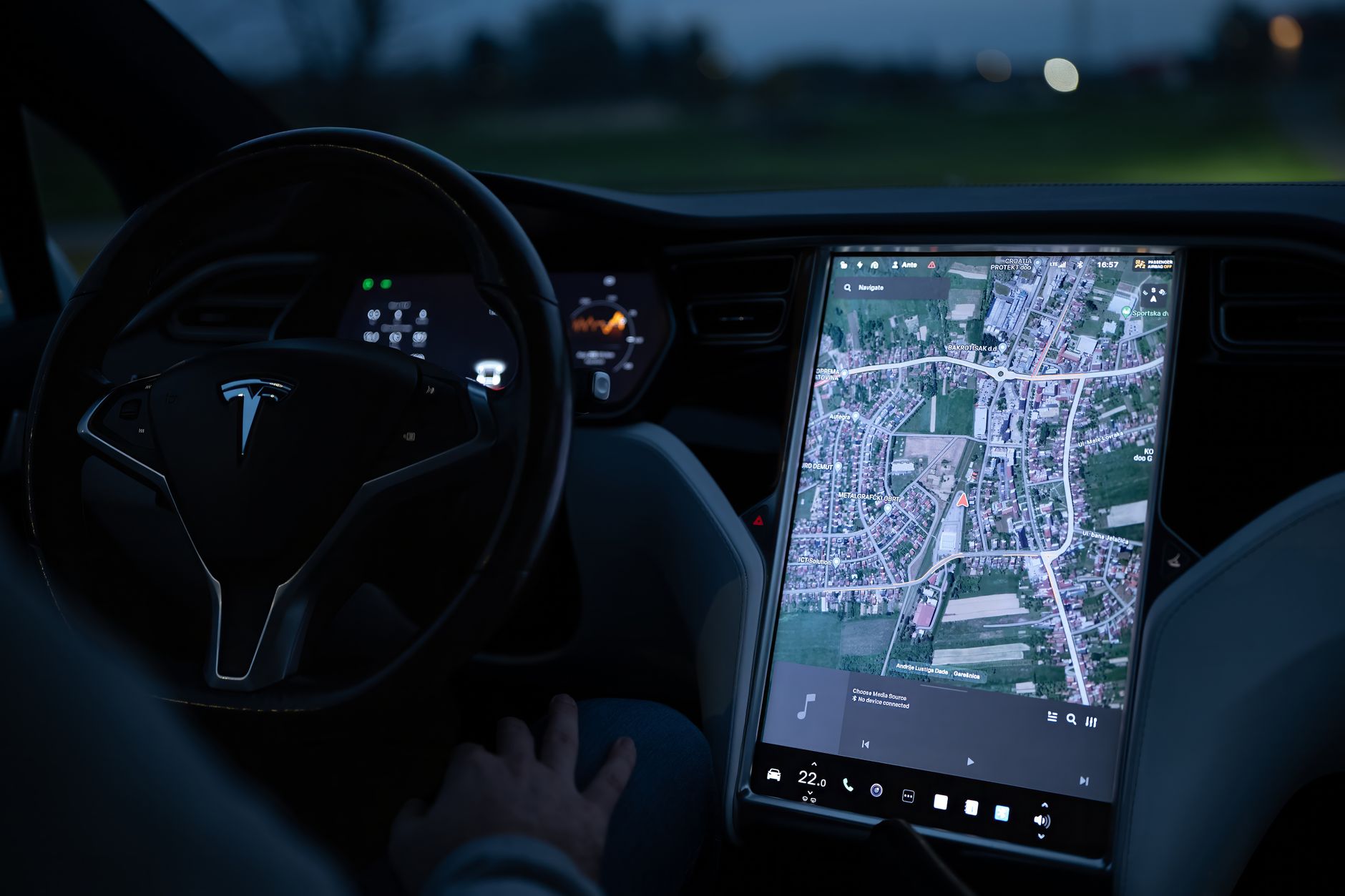
  • Tesla’s Automatic Navigation now learns your routine, not just Home and Work.

    Tesla’s Automatic Navigation now learns your routine, not just Home and Work.

    Tesla’s 2026.26 Summer Update expanded Automatic Navigation so it pays attention to more than Home, Work, and your calendar. According to Tesla’s official release notes, the feature “now adapts to your routine,” and the car “can now suggest and route to the places you visit regularly, like a school drop-off on the way to work, or the gym on the way home.” It’s turned on at Controls > Navigation > Automatic Navigation.

    Automatic Navigation isn’t new. Before this update, it could already predict a destination from a synced phone calendar or route you to a saved Work address on a weekday morning. What changed is that it now watches for places that aren’t on your calendar at all, a recurring school run, a regular gym visit, a coffee shop you stop at most mornings, and starts offering routes to those without you typing an address. Electrek’s coverage of the update describes it as the car proactively offering routing suggestions before a destination is manually entered, based on recurring stops in a driver’s routine. Tesla notes the underlying location data stays anonymous and isn’t tied to a specific vehicle’s identity.

    Preferred Routes: favoring the road you already know

    The same update also introduced Preferred Routes, a related but separate navigation change. Tesla’s release notes state that “Navigation now prioritizes routes that you’ve taken before” instead of defaulting purely to the fastest calculated path. This one comes with a requirement: it only works if Online Routing is switched on, found at Controls > Navigation > Online Routing. An owner who has that setting off won’t see the car favor familiar roads over an unfamiliar but technically quicker one.

    For day-to-day driving, the two features work together. A parent who drives the same route to school most mornings may start seeing that trip suggested automatically, and once selected, the car is more likely to route down the streets that driver actually uses rather than a route the navigation system calculates as marginally faster. Neither feature requires setup beyond checking that the relevant toggle is on in the Navigation settings menu.

    As with any Tesla software release, 2026.26 didn’t reach every car at once. Tesla Oracle’s rollout tracking, citing data from TeslaFi.com and Tessie.com, put the update at roughly 15 to 20 percent of the fleet as of early August 2026, with some Hardware 3 and Hardware 4 vehicles on certain FSD versions still waiting. So an owner who doesn’t see Automatic Navigation offering new suggestions yet, or doesn’t find an Online Routing toggle, likely just hasn’t received 2026.26 as this update reaches their car.

    Owners can check whether the update has arrived under Software in the car’s touchscreen settings or the Software Update section of the Tesla app. Once it has, both settings live in the same place: Controls > Navigation.

    Photo by Skylar Kang.

    Photo by Skylar Kang.

  • Tesla launches a $35-a-month Powerwall lease for Texas homeowners

    Tesla launches a $35-a-month Powerwall lease for Texas homeowners

    Tesla has started offering a Powerwall lease through Tesla Electric, its retail electricity provider in Texas, letting homeowners get whole-home battery backup without buying the hardware outright. The program, detailed on Tesla’s support page for the Powerwall Lease, is limited to Texas areas with retail electric choice and requires the customer to also sign up for Tesla Electric’s Backup plan.

    The lease covers two Powerwall units installed at no upfront installation cost. Tesla’s support page states that Tesla Electric customers receive a monthly bill credit of $87 that is applied against the lease invoice each month, and that the system keeps a minimum 20% charge reserved for outages so owners retain backup power even during normal use. The page also describes Storm Watch, a feature that automatically charges the Powerwalls ahead of forecast severe weather.

    Tesla has not published the base lease price on its own site, but multiple outlets that reviewed the offer’s paperwork report the same figures. Electrek reports the lease starts at $122 a month in year one, with a 3% annual increase after that, plus a one-time $100 order fee. After the $87 Tesla Electric credit is applied, the effective cost works out to roughly $35 a month plus tax, as long as the customer stays enrolled in Tesla Electric. Switching to a different electricity provider drops the credit and raises the payment back to the full lease rate.

    The offer does not apply to homes with solar panels already installed, and nonstandard electrical work needed for the installation can add cost and affect credit eligibility, according to Tesla’s support page. Enrollment, permitting, and inspection have to be completed before the monthly credit starts showing up, and Tesla says credits begin within two billing cycles of the system getting permission to operate.

    Why Tesla is doing this

    The arrangement lets Tesla dispatch stored energy from leased Powerwalls back to the Texas grid during periods of high demand, a practice it already runs through its virtual power plant program with Tesla Electric in Texas. Bundling battery hardware with the electricity plan gives Tesla more batteries to draw on for grid support while lowering the up-front cost that has kept many homeowners from adding backup power in the first place.

    For now the lease is available only in Texas retail-choice areas, and Tesla has not said whether it plans to expand the structure to other states where it sells Powerwall and operates virtual power plants, such as California.

    Photo by Lena Netkach.