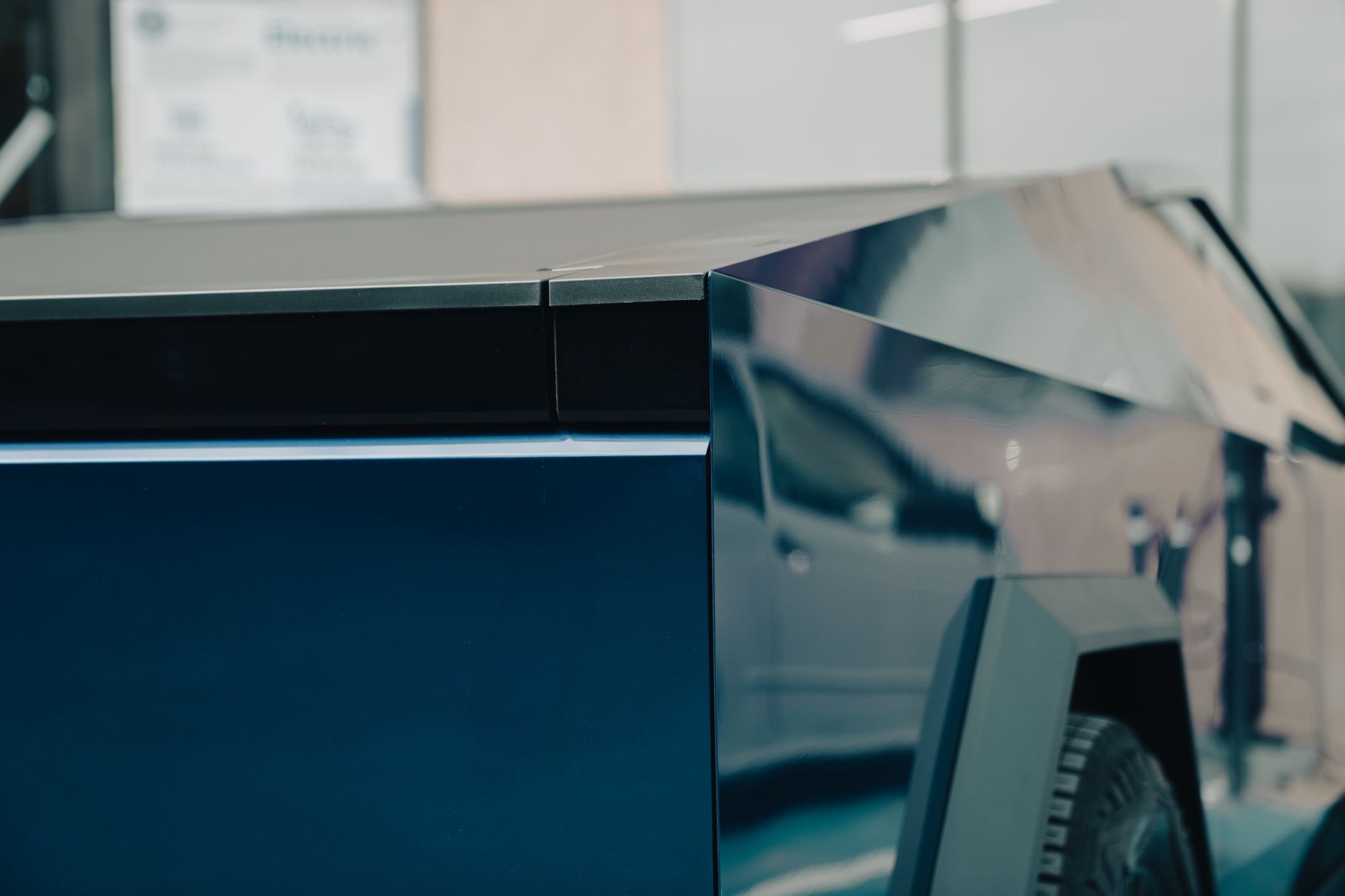
Category: News

  • Tesla extends Cybertruck warranty to 8 years after admitting a charging defect.

    Tesla extends Cybertruck warranty to 8 years after admitting a charging defect.

    Tesla is extending the warranty on part of the Cybertruck’s charging hardware to eight years after acknowledging a widespread defect, according to a report from Electrek published August 7, 2026.

    The affected part is the power conversion system (PCS), which combines the Cybertruck’s onboard charger and DC-DC converter. When it starts to fail, home charging speed drops from 48 amps to 24 amps before stopping altogether. Tesla said in a statement quoted by Electrek that it had “identified PCS electronics in pre-2026 Cybertrucks that do not meet our reliability standards and have made design changes to address this in newer vehicles.”

    Under the new terms, 2024 and 2025 Cybertrucks now carry an 8-year/150,000-mile warranty on the PCS. Cybertrucks built for the 2026 model year, which ship with the redesigned part, get a 7-year/70,000-mile warranty.

    Owners who already paid to replace a failed PCS out of pocket will be reimbursed, per the report. Electrek says owners had been charged as much as $5,000 to $7,200 for the repair, though Tesla had more recently been discounting it to roughly $1,000 as a “goodwill” gesture before this formal extension. Tesla is also pushing a software update that lets affected trucks keep Supercharging even with a failed PCS, and says it will cover Supercharging costs for owners waiting on replacement parts while the backlog clears.

    How common is the failure? Electrek cites an unofficial survey of Cybertruck owners that found roughly 41% of the 223 trucks surveyed — about 91 vehicles — had needed a PCS replacement. That’s a small, self-selected sample, not an official Tesla figure, so treat it as a rough signal rather than a defect rate for the full fleet.

    If you own a 2024 or 2025 Cybertruck, check your warranty coverage in the Tesla app or with your service center, and if you already paid for a PCS repair, contact Tesla about reimbursement. If your home charging speed has been dropping over time, that’s the symptom to watch for.

    Photo by Florian Avramescu.
  • Tesla voided Musk’s $29 billion ‘interim’ pay package after a Delaware court restored his original 2018 award.

    Tesla voided Musk’s $29 billion ‘interim’ pay package after a Delaware court restored his original 2018 award.

    Tesla has canceled a $29 billion compensation package it had granted CEO Elon Musk as a backup plan, after Delaware’s highest court restored the much larger pay package shareholders originally approved in 2018.

    What happened

    In December 2025, the Delaware Supreme Court reversed a lower court’s decision that had thrown out Musk’s 2018 stock option package, restoring an award worth roughly $56 billion at the time it was granted. Tesla had created the $29 billion “interim” package the year before, in August 2025, specifically as a hedge in case the Delaware court sided against the company on appeal.

    With the original package reinstated, Tesla disclosed in an SEC filing on April 23, 2026, that it had revoked the interim award, telling investors “there cannot be any ‘double dip.’” Musk keeps the 2018 package; the backup one is gone.

    What this means for owners

    None of this changes anything about your car, your service, or your warranty — it’s a corporate governance story, not a product one. What it does resolve is years of uncertainty over Tesla’s leadership structure: a legal fight over Musk’s compensation that had raised real questions about his long-term commitment to the company is now settled in his and the board’s favor. For owners weighing resale value or long-term parts and software support, a resolved governance dispute is one less variable hanging over the company’s direction.

    The bigger picture

    Separately, shareholders approved a new pay plan for Musk in November 2025 worth up to $1 trillion over the next decade if Tesla hits milestones like 20 million cumulative vehicle deliveries and 1 million robotaxis in commercial operation. That plan is separate from both the 2018 award and the interim package Tesla just voided. Those growth targets, not this cleanup of an old backup award, are the ones likely to actually shape the company’s roadmap in the years ahead.

    Photo by SevenStorm JUHASZIMRUS.

  • Tesla built its 10 millionth vehicle. Here’s what that means for owners.

    Tesla built its 10 millionth vehicle. Here’s what that means for owners.

    Tesla produced its 10 millionth vehicle on July 30, 2026, at the Fremont, California factory — a Diamond Black Model Y that rolled off the same production line where Tesla built its very first mass-market car. The company’s manufacturing account marked the moment on X: “10 million vehicles produced globally. Congrats to all Tesla teams!”

    The number is bigger than it looks. Fremont built Tesla’s one millionth vehicle back in 2020, which means the company produced its next nine million cars in just six years, across four assembly plants worldwide: Fremont, Gigafactory Shanghai, Gigafactory Berlin, and Gigafactory Texas. Tesla is the first dedicated EV maker to reach an eight-figure production total, a threshold no other all-electric automaker has hit.

    For a new or prospective owner, a production milestone like this isn’t just a corporate press moment — it’s a rough proxy for how mature the ecosystem around your car actually is. Ten million vehicles on the road means a deep used-parts and body-shop supply chain, a large enough fleet that most mechanical issues have already been documented and fixed in a software or service update, and a Supercharger network built to serve a customer base that size. It’s also a reminder of how quickly Tesla’s lineup has grown: most of those ten million cars are Model 3 and Model Y, the two vehicles this site covers most, which is part of why parts, accessories, and service appointments for those two models tend to be easier to find than for lower-volume vehicles like the Model S or Model X.

    None of that changes what you should do at delivery or during your first year of ownership — but it’s useful context the next time you’re waiting on a service appointment or shopping the used market: you’re buying into the most-produced electric vehicle lineup in history, not a niche product.

    Photo by Michael Li.

  • Tesla’s robotaxi service reaches seven cities. Its driverless fleet still isn’t growing.

    Tesla’s robotaxi service reaches seven cities. Its driverless fleet still isn’t growing.

    Tesla’s robotaxi service expanded into two more Florida cities on July 21, when the company’s @Robotaxi account posted that the service was now live in Tampa and Orlando, weeks after the same ride-hailing app launched in the Miami area on July 3. That brings Tesla’s robotaxi footprint to seven metro areas: the Bay Area, Austin, Dallas, Houston, Miami, Orlando, and Tampa.

    As with every market Tesla has opened outside Austin so far, the Tampa and Orlando launches started small, and rides in the new markets still have a Tesla employee riding along as a safety monitor rather than running with nobody in the driver’s seat.

    Austin’s fleet isn’t scaling up

    The bigger story for owners tracking Tesla’s self-driving progress is what’s happening in Austin, the one city where Tesla has run robotaxis without a safety monitor since mid-2025. According to the same report, Austin’s unsupervised fleet has plateaued at roughly 17 vehicles, down from a peak of about 25 cars in late April 2026, even after a full year of operation and a service area that now covers the whole metro. Combined with a similarly small unsupervised fleet in Dallas, Tesla’s total driverless car count sits around 21 vehicles nationwide.

    That matters beyond Austin and Dallas commuters. Tesla has told shareholders that robotaxi and unsupervised Full Self-Driving are central to the company’s long-term value, and the pace at which the unsupervised fleet grows (or doesn’t) is one of the clearest public signals of how close that technology actually is to wide deployment. For now, the geographic map is growing faster than the driverless fleet itself.

    What this means if you own a Tesla

    If you’re hoping to eventually earn money renting out your own car through a future Tesla robotaxi network, or you’re just curious how close unsupervised FSD is to your own commute, the Tampa and Orlando launches are a sign the ride-hailing app is expanding, but they’re staffed launches, not proof that unsupervised driving is scaling. Owners in Florida can now try Tesla’s robotaxi app as a passenger in three metro areas; everyone else is still watching Austin’s fleet count as the more telling number.

    Photo by Reinaldo Simoes.

  • NHTSA suspension investigation: what it means for Model 3 and Model Y owners

    NHTSA suspension investigation: what it means for Model 3 and Model Y owners

    The National Highway Traffic Safety Administration has opened a formal investigation into an estimated 1,198,300 Tesla vehicles after receiving complaints that a front suspension part can break loose while the car is being driven. The probe, opened July 29, 2026, covers 2018-2020 Model 3 sedans and 2021-2023 Model Y SUVs.

    According to NHTSA’s Office of Defects Investigation, the agency has received 156 complaints alleging that the front lower lateral link, a suspension arm that holds the front wheel in place, detaches from the vehicle. When that happens, the car can lose directional control and may not be drivable, requiring a tow. Most owners who filed complaints reported no advance warning, though some described unusual noises beforehand. The vehicle does not display a dashboard warning before the failure occurs.

    This is a preliminary evaluation, the first step in NHTSA’s defect investigation process, as Electrek reported. It does not mean a defect has been confirmed, and there is no recall tied to it yet. If investigators find a safety-related problem, the case can move to a deeper engineering analysis and eventually a formal recall. NHTSA says it is not aware of any crashes, injuries or fatalities connected to the complaints reviewed so far.

    Tesla has recalled vehicles for similar lateral link failures twice before: a 2021 recall covering about 2,800 Model 3 cars tied to a production defect, and a 2023 recall covering 422 Model 3 cars with related failures. NHTSA says the complaints in this new investigation go beyond those earlier recalls and do not appear to stem from the same manufacturing issue. Tesla had not issued a public statement on the new investigation as of the time Insurance Journal and other outlets reported the story, and did not respond to a Reuters request for comment, according to a Reuters report.

    For owners, this is worth knowing about but is not yet a reason to take the car in. An open investigation is not a recall, and no repair or action is required at this stage. Owners of an affected Model 3 or Model Y should pay attention to any new clunking, knocking or popping noises from the front of the car, or changes in how the steering feels, especially over bumps or during turns. Anyone noticing those symptoms should contact a Tesla service center. Owners can also file their own complaint with NHTSA if they experience an issue, and can check for any future recall tied to their vehicle identification number through NHTSA’s recall lookup tool. This is a preliminary evaluation, so it may take months before NHTSA reaches a conclusion; GetTesla.com will follow the investigation and report if it results in a formal recall.

    Photo by I’m Zion.

  • The factory that used to build the Model S and X is now building something else.

    The factory that used to build the Model S and X is now building something else.

    Tesla is converting part of its Fremont, California factory into a production line for Optimus, the company’s humanoid robot, with initial manufacturing runs expected in the third quarter of 2026, according to a summary of Tesla’s Q2 2026 earnings call. The space is the same production line that used to build the Model S and Model X, which Tesla stopped manufacturing earlier this year.

    On the earnings call, held after Tesla released its second-quarter 2026 financial results on July 22, CEO Elon Musk described Optimus as the hardest manufacturing ramp Tesla has ever attempted. “The production scaling challenge is very substantial. The hardest product to scale, the hardest one they’ve ever made at Tesla,” Musk said, according to a transcript of the call published by Shacknews. He added that construction at the Fremont factory for Optimus began after Tesla decommissioned the Model S and X lines, with production anticipated later this year.

    Early robots built at Fremont are expected to go through what Tesla calls “Optimus Academy,” an internal program meant to collect training data and refine the robot’s software before wider production, per the earnings call summary. Tesla is also continuing site development and construction at Gigafactory Texas for a dedicated Optimus facility, where a later version of the robot, referred to as Optimus V4, is planned to be built with components designed to be easier to manufacture than the version now starting at Fremont.

    None of this changes anything about buying, delivering, or owning a Tesla car today. Optimus is a separate product built in a separate part of the factory, and Tesla hasn’t given a price or delivery timeline for it. But it does answer a question GetTesla readers have asked since Tesla wound down the Model S and X: the Fremont space isn’t sitting idle. It’s being retooled for the company’s next major manufacturing bet.

    Photo by Freek Wolsink.

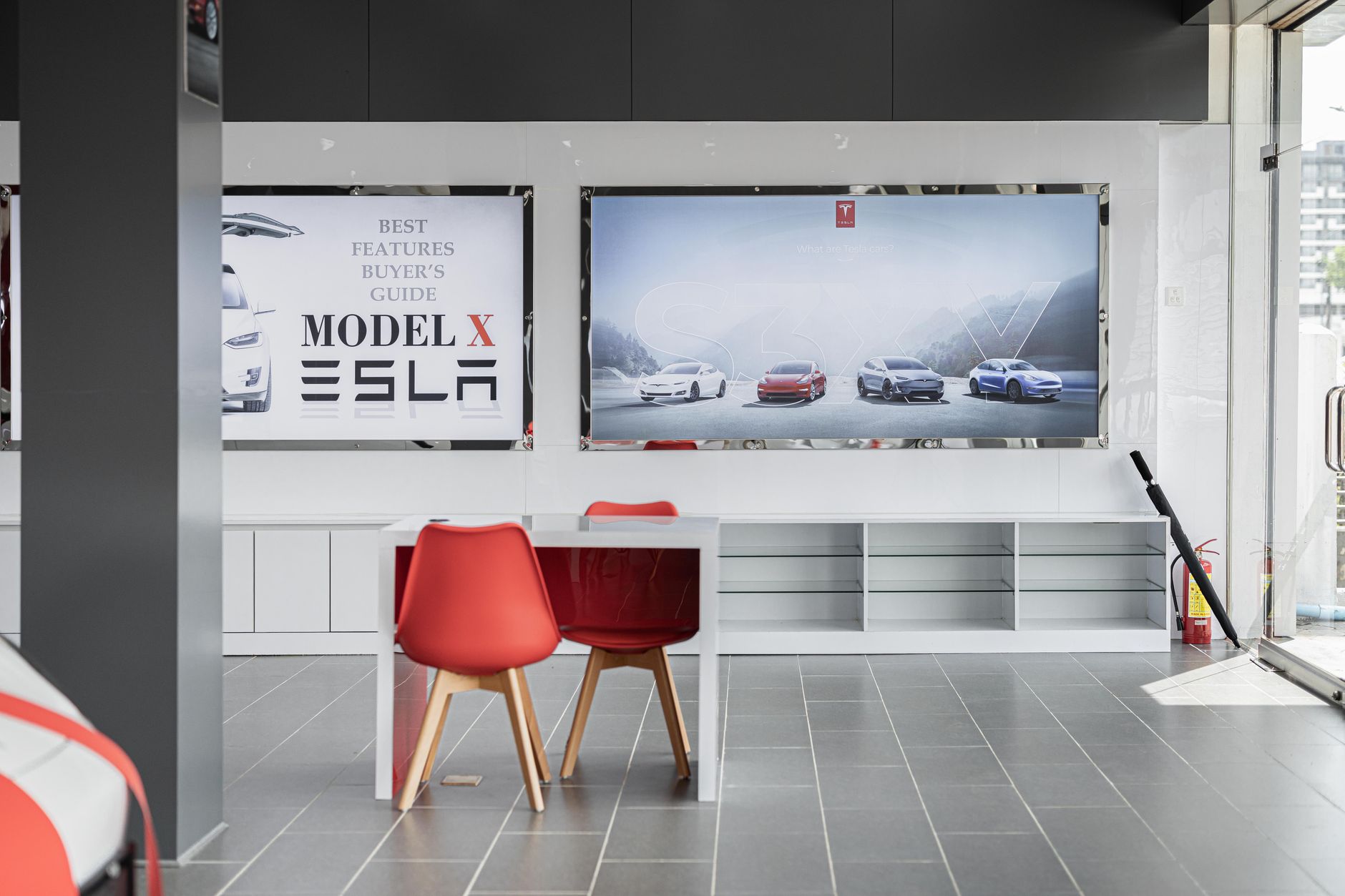
  • Tesla has stopped building the Model S and Model X. Here’s what that means for owners.

    Tesla has stopped building the Model S and Model X. Here’s what that means for owners.

    Tesla has stopped manufacturing the Model S and Model X. Custom orders for both vehicles are closed, and Tesla is now selling only the pre-built inventory that remains, according to Electrek, which reported the change on April 1, 2026, along with Elon Musk’s statement that “Custom orders of the Tesla Model S & X have come to an end.”

    Musk first signaled the move during Tesla’s fourth-quarter 2025 earnings call in January 2026, calling it an “honorable discharge” for both vehicles as the company shifts focus toward autonomy. The Model S launched in June 2012 and the Model X in 2015; combined, the two nameplates delivered more than 610,000 vehicles over their production runs, per Electrek’s reporting.

    What’s actually left to buy

    As of Electrek’s April 1 report, roughly 600 pre-built units remained in global inventory — about 295 Model S and 301 Model X, nearly all of them in the United States, with Canada and Europe already showing zero new units available. That inventory has continued to sell down in the months since, so anyone interested in one of the remaining cars should expect the selection to keep shrinking and should check Tesla’s inventory page directly rather than assume availability.

    Buyers of the remaining inventory get a couple of built-in perks: free DC fast charging at Tesla Superchargers and free lifetime Premium Connectivity, according to Electrek. Some locations were also offering discounts on remaining units, ranging from roughly $1,600 to more than $7,000 depending on the car and region — though as with any inventory deal, treat those figures as a snapshot rather than a guarantee, since pricing on remaining stock moves with what’s left on the lot.

    If you already own one

    Tesla’s announcements have focused on production and ordering, not on service. Neither Tesla’s statements nor the reporting on this shift has addressed what happens to routine service, parts availability, or existing warranty coverage for Model S and Model X owners going forward — Tesla has not published specifics on that, and this article won’t guess at them. If you own one of these cars, your existing new-vehicle warranty terms don’t change because production ended; if you have specific concerns about long-term parts or service availability, that’s a question worth putting directly to a Tesla service center rather than assuming either way.

    The Fremont line that built the Model S and Model X is being converted to build Optimus, Tesla’s humanoid robot, according to Electrek — a concrete sign that this is a permanent wind-down rather than a pause.

    Photo by I’m Zion.

  • Tesla’s Q2 2026 earnings: what it means for owners.

    Tesla’s Q2 2026 earnings: what it means for owners.

    Tesla reported its second-quarter 2026 results on July 22, and the headline numbers cut two ways. Revenue hit a record $28.24 billion, up 26% year over year, and Tesla delivered 480,126 vehicles in the quarter — also a record, up 25% from a year earlier. Profit told a different story: operating income fell 57% to $398 million, pushing operating margin down to 1.4%, and non-GAAP earnings of $0.33 per share came in well under Wall Street’s expectations. Free cash flow turned negative for the first time in more than two years, as capital spending more than doubled to $5.79 billion. The stock fell sharply in the days that followed.

    None of that changes what’s sitting in your garage, but a few details in the report do matter if you already own a Tesla or are waiting on one.

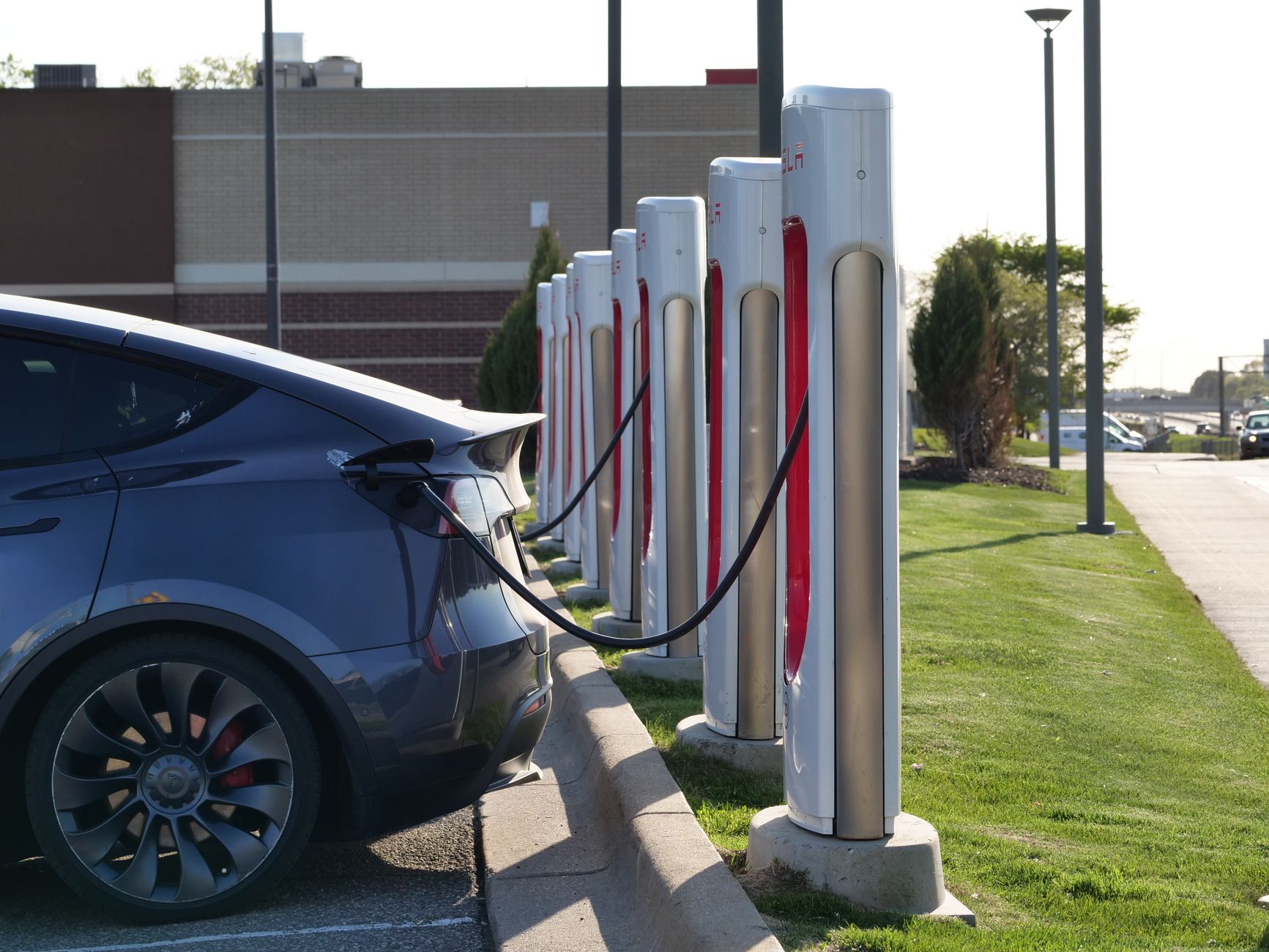
    The Supercharger network kept expanding. Tesla ended the quarter with 8,704 stations and 82,357 connectors, up 18% and 17% year over year, with more than 2,400 net new stalls added in the quarter alone. That’s the network you actually rely on for road trips, and it’s still growing faster than the vehicle lineup itself.

    Service got more profitable, not less. Tesla’s Services and Other segment — which covers repairs, parts, and used-vehicle sales — posted record quarterly profitability, with gross margin reaching 14%. A service business that makes money is generally a good sign for parts availability and appointment capacity, since it gives Tesla less reason to treat service as a cost center.

    FSD and Robotaxi kept scaling. Active FSD subscriptions reached 1.48 million, up 56% year over year, and Tesla’s Robotaxi service expanded to seven U.S. metro areas, including new unsupervised launches in Miami, Orlando, and Tampa in July.

    The profit miss traced mainly to two things that don’t touch the ownership experience directly: a collapse in regulatory credit revenue, down to $146 million from $439 million a year earlier following the federal EV tax credit’s expiration, and the capex surge funding Tesla’s AI and robotics push. Whether that spending pays off is a question for investors. For owners, the more relevant facts in this report are the ones about the charging network and the service department you’ll actually use.

    Photo by Giant Asparagus.

  • Tesla’s 2026 Summer Update: what actually changes in your car.

    Tesla’s 2026 Summer Update: what actually changes in your car.

    Tesla is rolling out its 2026 Summer Update, software build 2026.26, with the biggest changes centered on the in-car Grok voice assistant and navigation. The update is rolling out in waves and is expected to reach most vehicles by the end of July 2026, according to Not a Tesla App, which tracks official release notes.

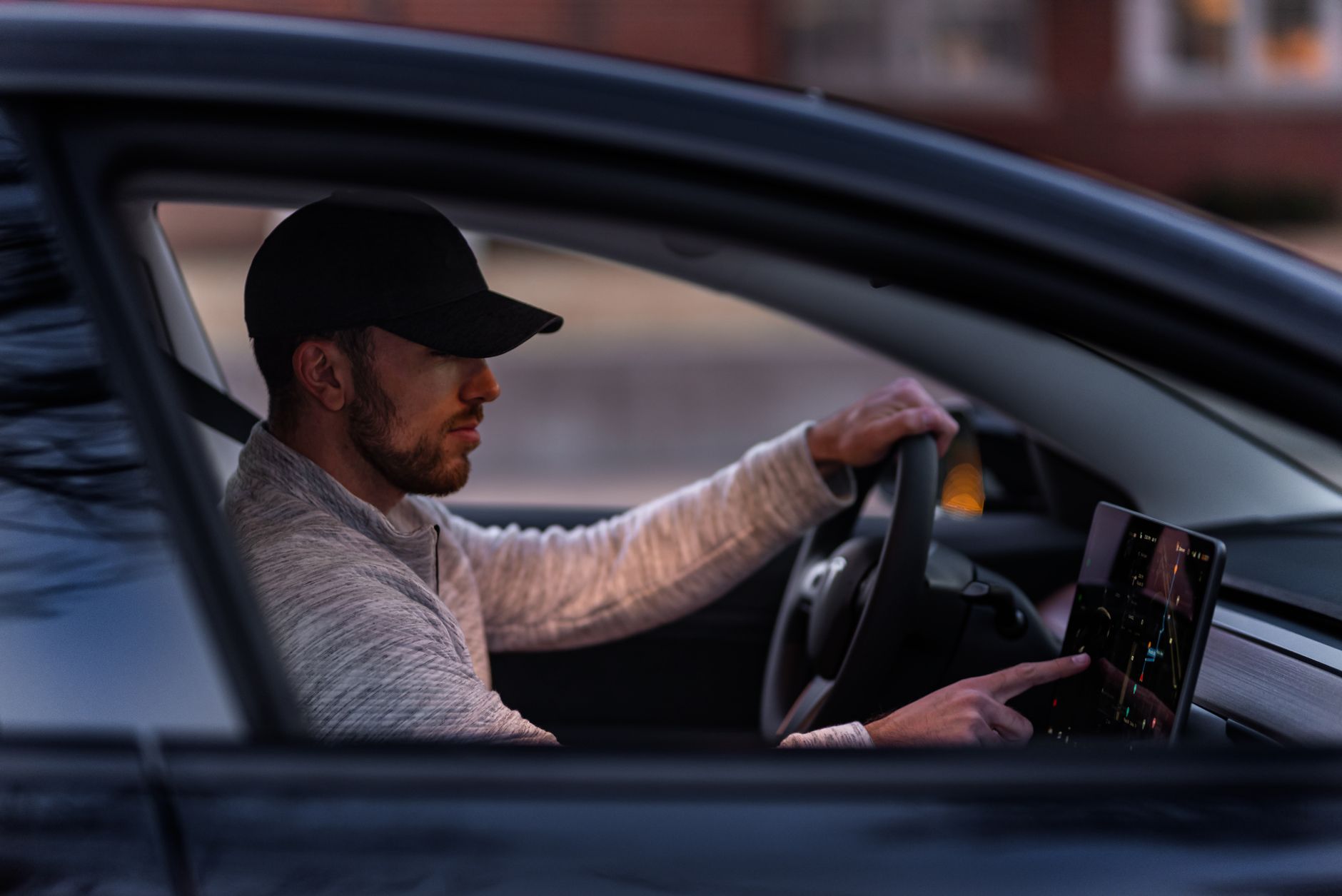
    Grok, the AI assistant Tesla introduced in 2025 as a chat feature, now handles real vehicle controls. You can ask it to place phone calls, search for and play specific songs, adjust the cabin temperature, or open the glovebox, all by voice, in addition to the navigation requests it already supported. Tesla says Grok is also expanding beyond the US, with Europe and parts of Asia next in line.

    Navigation gets smarter, too. Automatic Navigation already routed you home, to work, or to calendar events. With this update, it learns other places you go regularly, like a school drop-off on the way to work, and starts suggesting routes to them without you typing an address. It also starts favoring roads you’ve actually driven before over whatever route is technically fastest.

    What else is in the update

    • Self-driving stats in the app. If your car has FSD, a new section in the Tesla app shows your usage statistics, with an option to share them.
    • Vehicle wrap uploads. Owners with supported vehicles can upload a custom wrap design directly from the Tesla app instead of transferring files by USB.
    • Caraoke scoring. The in-car Caraoke feature now scores your performance while parked and saves high scores to your driver profile.
    • Supercharger search by name and the ability to add Apple Music tracks to your queue.

    None of this requires you to do anything. Updates install over the air, and Tesla typically notifies you in the app and on the car’s touchscreen when 2026.26 is ready to install on your specific vehicle. If you want to check now, look under Software in your car’s touchscreen settings, or the Software Update section of the Tesla app.

    As with past over-the-air updates, exact rollout timing varies by region, hardware, and vehicle configuration, so don’t be surprised if a neighbor with the same model gets it a few days before or after you do.

    Photo by Andrey Matveev.

  • Tesla’s FSD v14 Lite is moving toward wide release for older-hardware cars.

    Tesla’s FSD v14 Lite is moving toward wide release for older-hardware cars.

    Tesla has started testing a new build of FSD v14 Lite, the version of its driver-assistance software built for cars with the older Hardware 3 (HW3, also called AI3) computer, and the executive who leads Tesla’s AI team says it could be the one that reaches every eligible car. Software version 2026.20.6.10 began rolling out on July 20, 2026, but only to a small early access group described as “mostly belonging to the influencer community,” according to Tesla Oracle’s review of the release.

    Tesla AI chief Ashok Elluswamy wrote on X that this build is “likely going to wide release,” as reported by Not a Tesla App. Tesla has not given a timeline for when the update will reach the full HW3 fleet, and as of this writing it is still limited to early testers.

    Why this matters if you have an older Tesla

    Hardware 3 shipped in Tesla vehicles before the company moved to its newer Hardware 4 computer, and HW3 cars can’t run the full-size FSD v14 that HW4 cars already have. Lite is a smaller model distilled from HW4’s version 14 so HW3 cars can keep gaining capability without a hardware swap, per Tesla’s release notes for 2026.20.6.10. According to Not a Tesla App, HW3 cars are also expected to be excluded from the next major version, FSD v15, which is built for unsupervised driving — making Lite the main path HW3 owners have to newer features for now.

    What changes in this build

    Tesla’s release notes and early tester accounts, summarized by Tesla Oracle, point to several practical changes:

    • Starting Self-Driving from Park no longer requires pressing and releasing the brake pedal to confirm.
    • New “Arrival Options” let you choose where the car pulls over — parking lot, street, driveway, garage, or curbside.
    • A new Self-Driving app in the app launcher tracks your subscription and activation status.
    • Testers describe smoother highway driving, with fewer unnecessary lane changes and better traffic-light behavior, along with new parking and reversing capability.

    Early testers told Tesla Oracle the update feels “so much safer” than the older v12.6.4 software most HW3 cars were still running, though they noted parking maneuvers still need work.

    What to do now

    If your Tesla has Hardware 3, there’s nothing to opt into yet — the early access group is small and Tesla hasn’t said when a broader rollout starts. Check your car’s software version under Controls > Software, and watch for an update in the coming weeks if you’re not already in the early access program. As with any FSD (Supervised) release, you’re still required to keep your hands on the wheel and attention on the road; the feature assists with driving, it doesn’t replace you.

    Photo by Leonardo Gonzalez.