Category: News

  • NTSB releases preliminary report on fatal Katy, Texas Tesla crash

    NTSB releases preliminary report on fatal Katy, Texas Tesla crash

    The National Transportation Safety Board has released a preliminary report on a fatal crash involving a Tesla Model 3 in Katy, Texas, and the findings center on how the vehicle’s Full Self-Driving (Supervised) system was being used in the moments before impact.

    According to the NTSB’s investigation summary, the crash occurred on June 19, 2026, on Rose Hollow Lane, a residential street with a 30 mph speed limit. A 2025 Tesla Model 3, occupied only by its driver, left the roadway, partially entered a driveway, and struck a house, causing one fatality. The NTSB states that electronic data recovered from the vehicle showed the driver “manually overrode FSD (Supervised) by pressing the accelerator pedal to 100%,” and that the car’s speed exceeded 70 mph at the time of the crash.

    The agency’s report is explicitly preliminary. Under NTSB procedure, a preliminary report lists the facts gathered so far without assigning cause; that determination comes only in a later final report, which can take a year or more to complete. The NTSB says all aspects of this crash remain under review as the investigation continues. Separately, the National Highway Traffic Safety Administration has opened its own review of the incident, according to CNBC, as part of the agency’s ongoing oversight of Tesla’s driver-assistance systems.

    For current owners, the report itself is narrow: it describes a data point about accelerator-pedal input, not a finding about how FSD (Supervised) performed as a system. Tesla classifies FSD (Supervised) as a driver-assistance feature, not an autonomous one, and its own documentation states the driver must remain attentive and ready to control the vehicle at all times. The NTSB investigation is still open, and the agency has said its final report — including any probable-cause determination and safety recommendations — will follow at a later date.

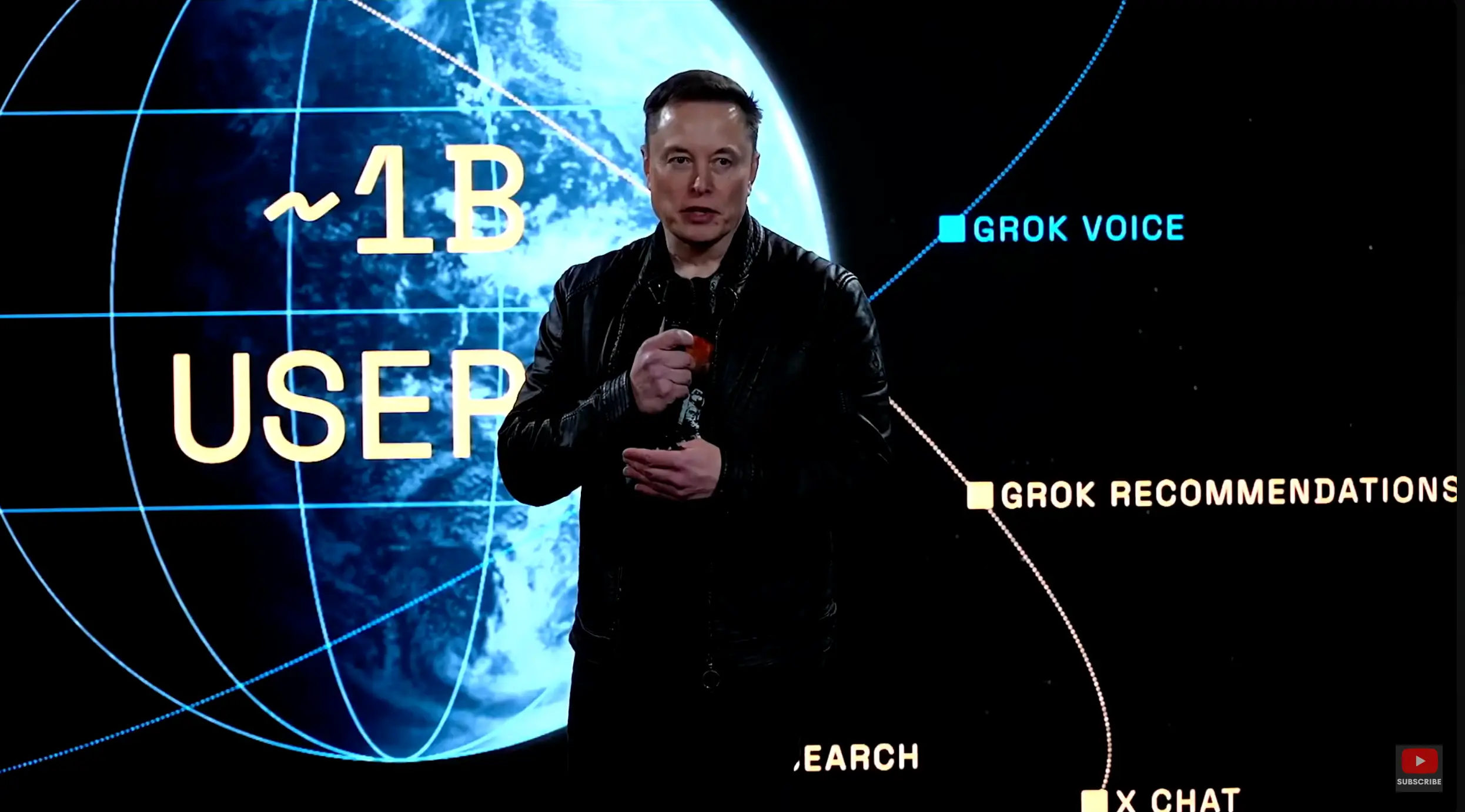
    Photo by I’m Zion.

  • xAI rebrands to SpaceXAI. Grok keeps its name inside Tesla vehicles.

    xAI rebrands to SpaceXAI. Grok keeps its name inside Tesla vehicles.

    The company that makes Grok, the voice assistant available in Tesla vehicles, has a new corporate name. On July 6, 2026, xAI’s account on X switched its handle to @SpaceXAI and debuted a new logo showing the old xAI mark folding into the SpaceX brand, according to Engadget and Yahoo Finance. The move completes a corporate merger that had already taken effect months earlier.

    What actually changed

    SpaceX and xAI first combined on February 2, 2026, in an all-stock deal that SpaceX announced on its website and that CNBC reported valued the combined companies at about $1.25 trillion, with SpaceX itself valued near $1 trillion and xAI near $250 billion. Elon Musk followed up in May 2026 with a post on X stating that xAI would be “dissolved as a separate company, so it will just be SpaceXAI, the AI products from SpaceX.” The July 6 rebrand put that plan into visible effect by retiring the xAI name and logo. SpaceX separately completed a $75 billion initial public offering in June 2026, one of the largest on record, according to Yahoo Finance.

    Grok itself did not get a new name. The chatbot, its mobile apps, the SuperGrok subscription tier, and its developer API all continue to use the Grok brand — the rebrand applies to the parent company, not the product.

    What it means for Grok in Tesla vehicles

    Grok has been available as an in-car voice assistant on Tesla vehicles equipped with an AMD infotainment processor and running vehicle software version 2025.26 or later, covering the Model S, Model 3, Model X, Model Y, and Cybertruck, according to Tesla’s support page. Using it requires Premium Connectivity or a stable Wi-Fi connection, but no separate Grok account or subscription is currently required. Tesla says driver conversations with Grok are processed by the company behind the assistant under its privacy policy and are not linked to a specific vehicle or owner. The feature remains in beta and cannot control vehicle functions such as climate or media playback; a software version of 2025.44.25 or later is needed for Grok to handle navigation commands.

    As of July 15, 2026, neither Tesla nor SpaceXAI has published a statement describing any change to how Grok functions inside Tesla vehicles as a result of the corporate rebrand. The name change affects the parent company’s branding on X and in its own communications, not the Grok product Tesla owners interact with through the car’s touchscreen or steering-wheel microphone button.

    The two companies do have financial ties that predate the rebrand. Tesla disclosed a $2 billion investment in xAI’s Series E funding round in January 2026 and said the companies signed a framework agreement for evaluating future AI collaborations, according to TechCrunch. That investment carried over to SpaceX once the acquisition closed. Tesla has not announced any new product changes tied to the SpaceXAI name itself, so owners using Grok in their vehicles should not expect any functional difference from the rebrand alone.

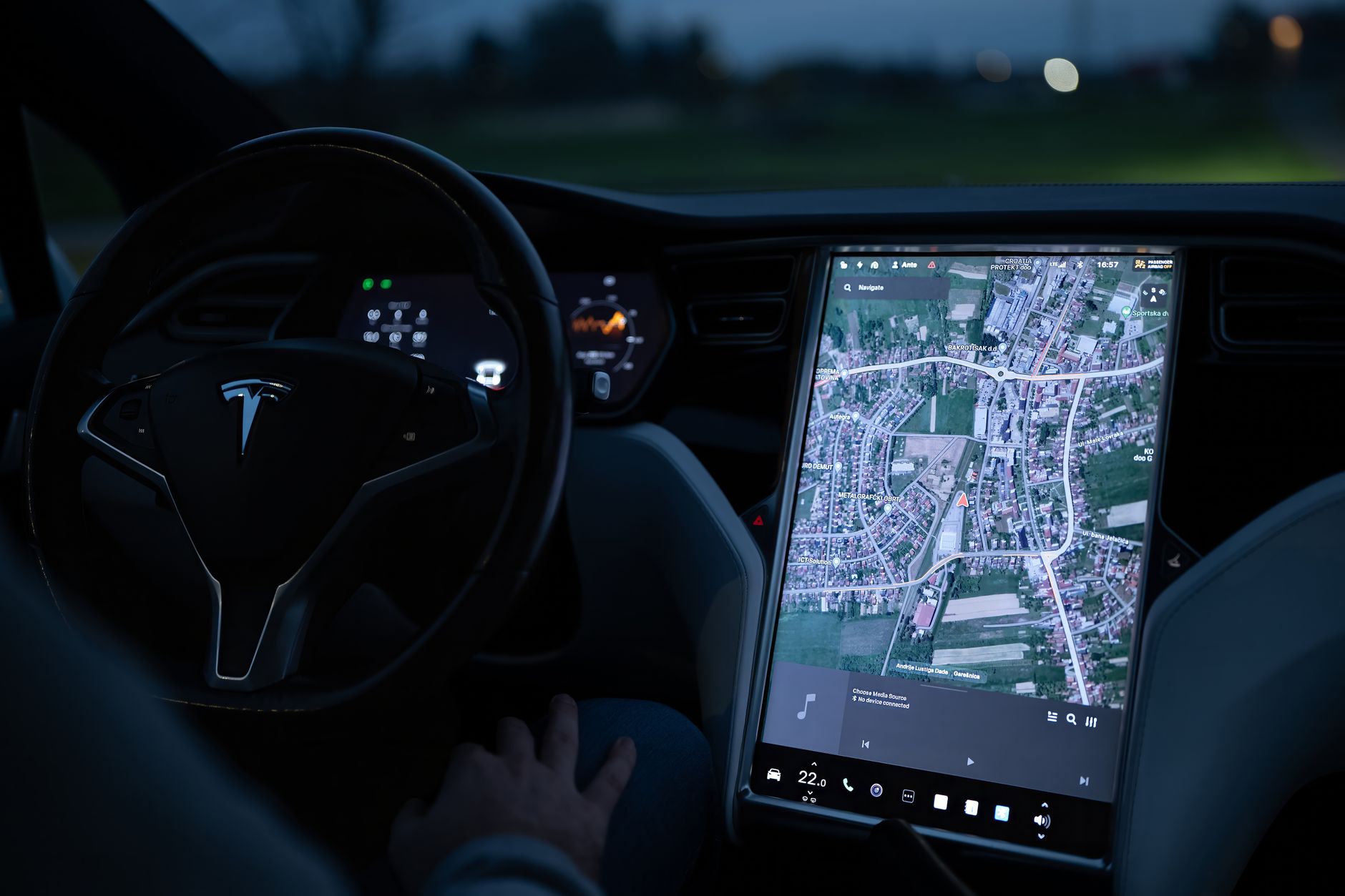
    Photo by Vladimir Srajber.

  • Tesla is running a free Supercharging contest through the end of 2026.

    Tesla is running a free Supercharging contest through the end of 2026.

    Tesla is running a yearlong contest that rewards its heaviest Supercharger users with free charging for as long as they own their car, according to Tesla’s official contest page. Nine drivers will win: three from the Americas, three from Asia-Pacific and Oceania (excluding China), and three from Europe, the Middle East and Africa.

    Each region awards one winner in three categories. “Longest Trip” goes to the driver with the longest streak of visits to unique Supercharger locations, where a new stop within 24 hours of the last one extends the streak. “Most Unique Sites” goes to whoever visits the most different Supercharging locations over the year. “Most Energy” goes to the driver who charges the most total kilowatt-hours at Superchargers. Repeat visits to the same site are allowed but don’t extend a streak, per Tesla.

    The competition runs the full 2026 calendar year, from January 1 through December 31, so it’s already more than half over — but there’s still time to build a streak or add kilowatt-hours for the second half. Winners are notified in January 2027, and free Supercharging is applied to winning accounts before March 1, 2027, according to Tesla.

    Not everyone qualifies. Tesla excludes vehicles that already have free Supercharging, cars used commercially for ride-share or delivery, Tesla employees and their families, and drivers outside the three competition regions. Your region is assigned based on where most of your 2026 charging actually happens, not where you live.

    To participate, make sure your Tesla app is on its latest version and that “Share Charging Data with Tesla App” is turned on in your car’s settings — Tesla uses that data to track standing. You’ll also need to enroll through the 2026 Passport feature in the app before January 1, 2027. There’s no purchase or extra payment required beyond your normal charging costs, and Tesla calculates final standing from your last charging visit before the new year.

    InsideEVs reported on the contest in June, noting Tesla operates roughly 3,000 Supercharger locations in the U.S. alone — part of a global network Tesla says has grown past 80,000 Superchargers worldwide, giving contestants plenty of ground to cover.

    Checking your standing costs nothing: open the Tesla app, find the Passport or charging badges section, and see where you land. For most owners this won’t change day-to-day driving, but if you’re already logging serious road-trip miles, it’s a free entry into a contest you might already be winning.

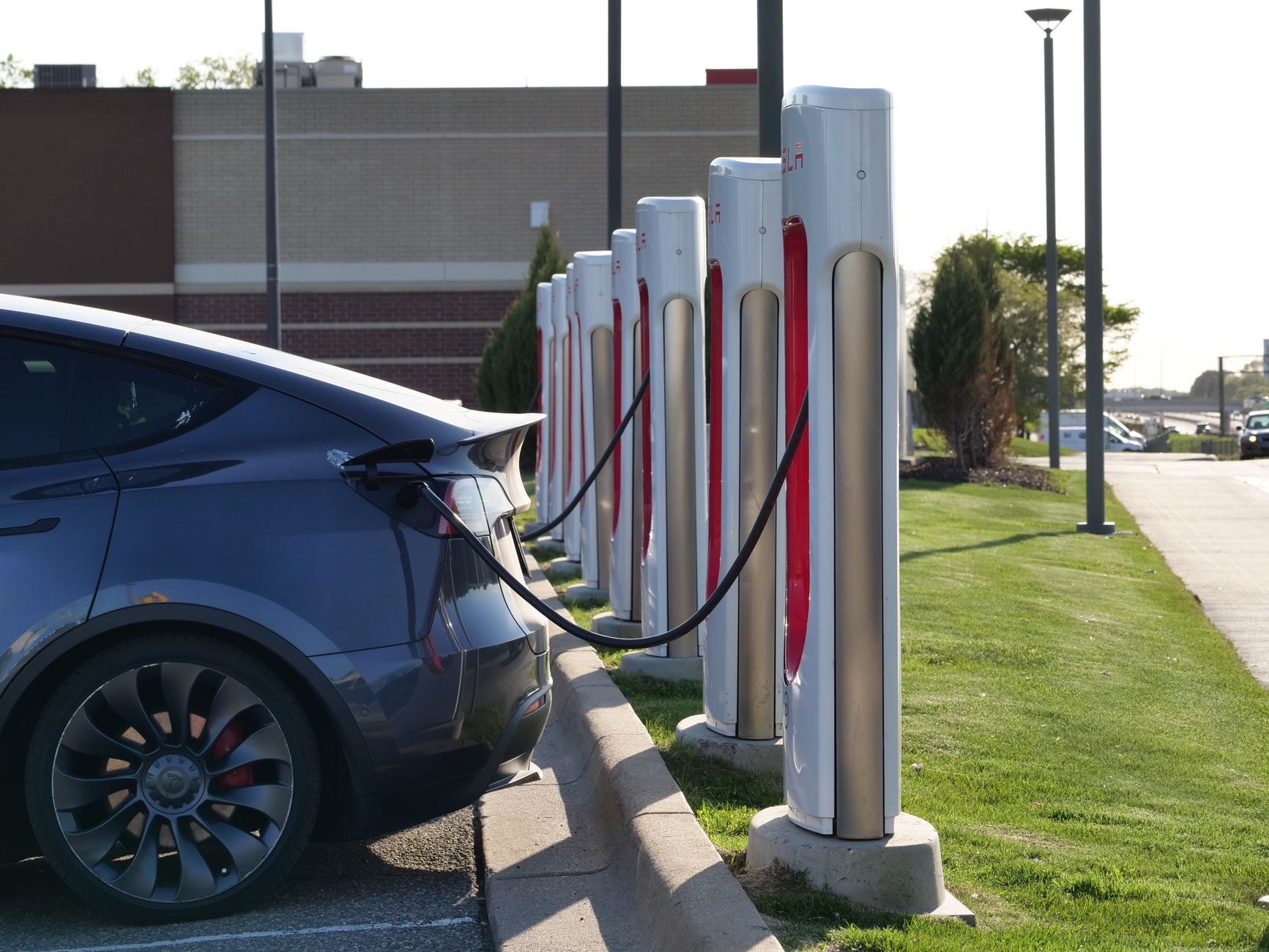
    Photo by Giant Asparagus.

    Photo by Giant Asparagus.

  • Tesla issues two recalls this month. Here’s what owners need to do.

    Tesla issues two recalls this month. Here’s what owners need to do.

    Tesla has two open recalls this month, and owners of affected vehicles will start receiving notification letters in the mail. One requires nothing from you. The other requires a service appointment.

    Rearview camera delay (218,868 vehicles)

    Tesla told the National Highway Traffic Safety Administration that a software condition on certain 2017 and 2021–2023 Model 3, 2020–2023 Model Y, and 2021–2023 Model S and Model X vehicles could delay the rearview camera image by up to 11 seconds after shifting into reverse — a violation of the federal rear-visibility standard. The affected cars were running firmware 2026.8.6.

    The good news: Tesla caught this internally and began pushing a fix over the air on April 11, 2026, well before the formal recall filing. By the time the recall was filed, more than 99.92% of affected vehicles had already installed firmware 2026.8.6.1 or later, which resolves the delay. If your car has that update or a newer one, no action is needed. You can confirm your software version under Controls > Software on the touchscreen. Notification letters for this recall started going out in the mail after July 3, 2026.

    Missing certification label (14,575 Model Ys)

    The second recall is narrower but requires a trip to service. Tesla told NHTSA that an automated scanner at the factory failed to verify that a required certification label — the sticker listing your car’s maximum loaded weight, tire specs, and manufacture date, required under 49 CFR Part 567 — had actually been applied. Tesla estimates about 45% of the affected cars are genuinely missing the label. Without it, an owner has no easy way to know the vehicle’s rated weight limits, which raises the risk of unknowingly overloading the car.

    This one covers Model Y vehicles built November 17, 2024 through February 24, 2025 (model year 2025), and February 25, 2025 through April 21, 2026 (model year 2026). If your Model Y falls in that window, Tesla says you need to schedule a service appointment through the Tesla app: go to Service > Request Service > Other > Something Else, and type “Open Recall Repair – Certification Label” in the description. A technician checks for the label and applies one if it’s missing, at no cost, in under 10 minutes. Notification letters for this recall begin mailing July 17, 2026.

    How to check your own car

    You don’t have to wait for a letter. Enter your VIN into NHTSA’s recall search or Tesla’s own VIN lookup tool to see whether either campaign applies to your vehicle. Neither recall has been linked to any reported crash or injury.

    Photo by Gustavo Fring.

  • California’s new EV incentive exempts Rivian and Lucid from a price cap that applies to Tesla

    California’s new EV incentive exempts Rivian and Lucid from a price cap that applies to Tesla

    California has enacted a new state EV purchase incentive that exempts only “California-headquartered” automakers from a $50,000 price cap, a carve-out that benefits Rivian and Lucid but not Tesla, which moved its headquarters to Austin, Texas, in 2021. The provision was first reported by Teslarati and is confirmed in the text of Senate Bill 168, which passed the California Legislature on June 29, 2026.

    How the incentive works

    SB 168 directs the California Air Resources Board (CARB) to run a new incentive program for first-time zero-emission-vehicle buyers, funded through the 2026-27 state budget that Governor Gavin Newsom signed in June. Under the bill’s text, new vehicles must carry a manufacturer’s suggested retail price of $50,000 or less, and used vehicles must sell for $25,000 or less, to qualify. CARB sets the actual incentive amount, which manufacturers are required to match; NBC Los Angeles reports the current figures are $3,500 off a new EV and $1,750 off a used one, applied as an instant discount at the point of sale rather than a rebate claimed later. Buyers must certify they have never previously owned or leased an EV.

    The headquarters exemption

    The bill text creates one exception to the price caps: “incentives under the program shall be provided to California-headquartered zero-emission vehicle companies regardless of the vehicle manufacturer’s suggested retail price or sales price.” A qualifying company is defined as one headquartered in California as of January 1, 2026, whose entire vehicle lineup is zero-emission. InsideEVs confirms that Rivian, headquartered in Irvine, and Lucid, headquartered in the San Francisco Bay Area, both meet that definition, allowing their vehicles to qualify for the incentive regardless of price. Tesla, which relocated its corporate headquarters to Austin in 2021 while continuing to manufacture vehicles at its Fremont, California factory, does not meet the headquarters test and is therefore subject to the standard price caps like any other automaker.

    What it means for Tesla buyers

    Tesla is not barred from the program. Its vehicles are eligible on the same terms as any non-exempt automaker’s: if the MSRP is at or under $50,000, the vehicle can qualify for the incentive, subject to the buyer meeting the first-time-EV-buyer requirement and other program terms CARB is still finalizing. Current Model 3 and lower-trim Model Y configurations fall under that threshold, while pricier configurations do not. Edmunds lists the Model Y RWD starting at $39,990 and the Long Range/Premium trim at $46,380, both under the cap, while the Model Y Performance trim, at $58,880, exceeds it and would not qualify. By contrast, Rivian and Lucid models qualify for the incentive at any price under the headquarters exemption, including Lucid’s Air and Gravity, which start well above $50,000.

    As of early July 2026, the incentive program had not formally launched. CARB is still finalizing the grant agreements with automakers and dealerships required under SB 168 before buyers can claim the discount at the point of sale.

    Photo by Luke Miller.

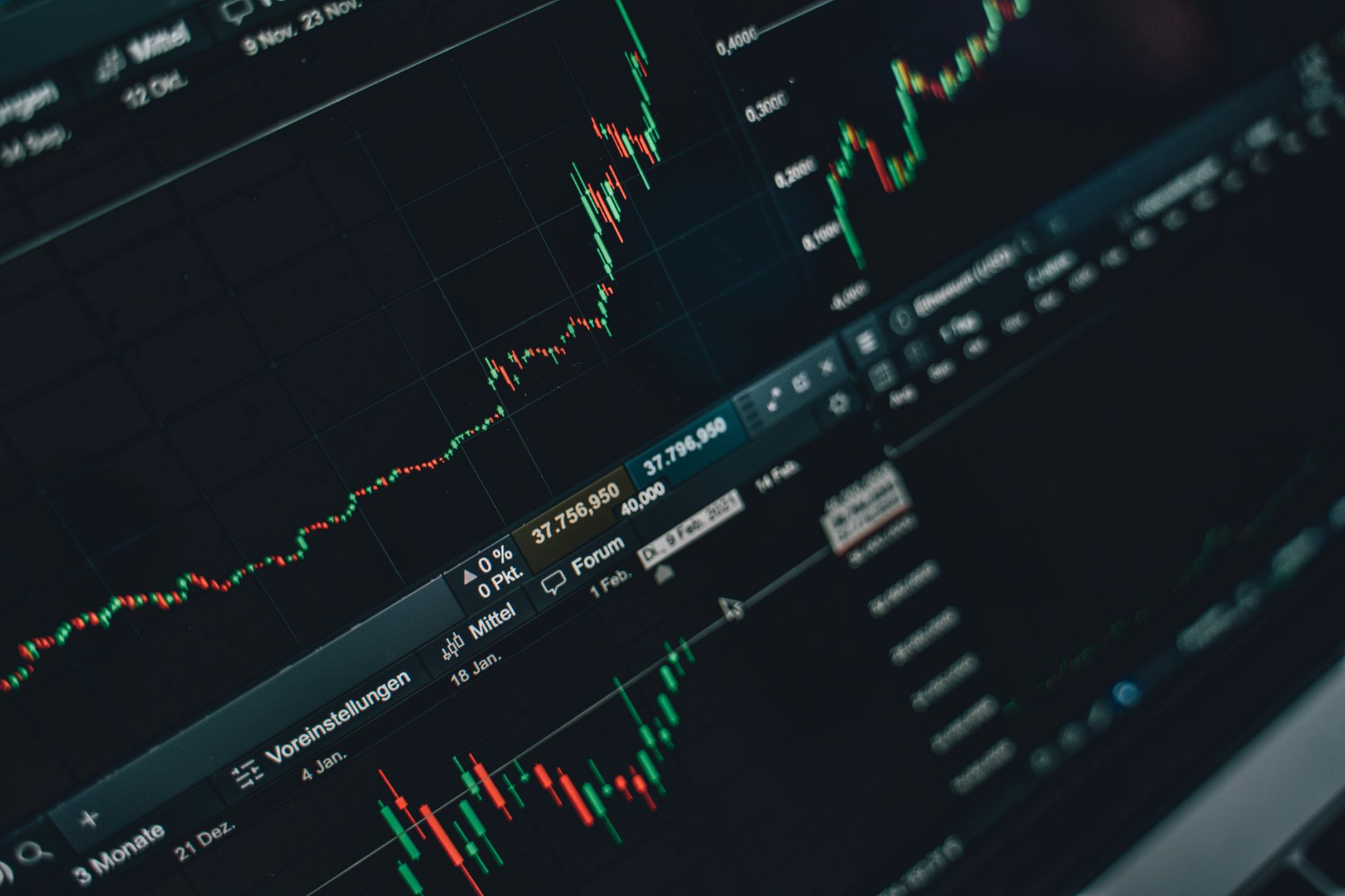
  • Tesla sets Q2 2026 earnings call for July 22 after a record delivery quarter.

    Tesla sets Q2 2026 earnings call for July 22 after a record delivery quarter.

    Tesla has confirmed its second-quarter 2026 earnings call for Wednesday, July 22, at 5:30 p.m. Eastern, when the company will post financial results after market close followed by a live Q&A webcast for investors.

    The call follows a strong quarter on the production side. In the same July 2 release setting the call date, Tesla said it produced over 450,000 vehicles and delivered 480,126 in the second quarter, alongside 13.5 GWh of energy storage deployments — Tesla’s own words from the release: “In the second quarter, we produced over 450,000 vehicles, delivered over 480,000 vehicles and deployed 13.5 GWh of energy storage products.” That delivery count marks Tesla’s strongest second quarter on record and its first year-over-year delivery growth in two years.

    What the July 22 call typically covers

    Tesla’s quarterly earnings calls are where the company gives its most detailed public updates on things that matter to current owners, not just shareholders: the pace of Supercharger and energy storage expansion, software and Full Self-Driving (Supervised) progress, and any changes to vehicle pricing or lineup. None of that is confirmed yet for this call — it’s simply the pattern these calls have followed, and it’s worth watching the actual webcast or transcript on July 22 rather than assuming specifics in advance.

    Why this matters if you already own one

    You don’t need to track Tesla’s stock price to have a reason to pay attention here. Delivery and production numbers are a rough proxy for how much manufacturing capacity Tesla is putting toward the cars on the road today, and the same earnings materials are usually the first place Tesla discloses updates to Supercharger network growth — directly relevant to charging availability wherever you drive. When the call happens, we’ll cover anything in it that’s actually relevant to ownership rather than pure investor detail.

    For now, the confirmed facts are limited to the date, time, and the Q2 production/delivery figures Tesla has already published. Anything beyond that — margin commentary, product announcements, or other speculation circulating ahead of the call — hasn’t been said by Tesla and isn’t reflected here.

    Photo by Alesia Kozik.

  • Tesla’s robotaxi service reaches Miami.

    Tesla’s robotaxi service reaches Miami.

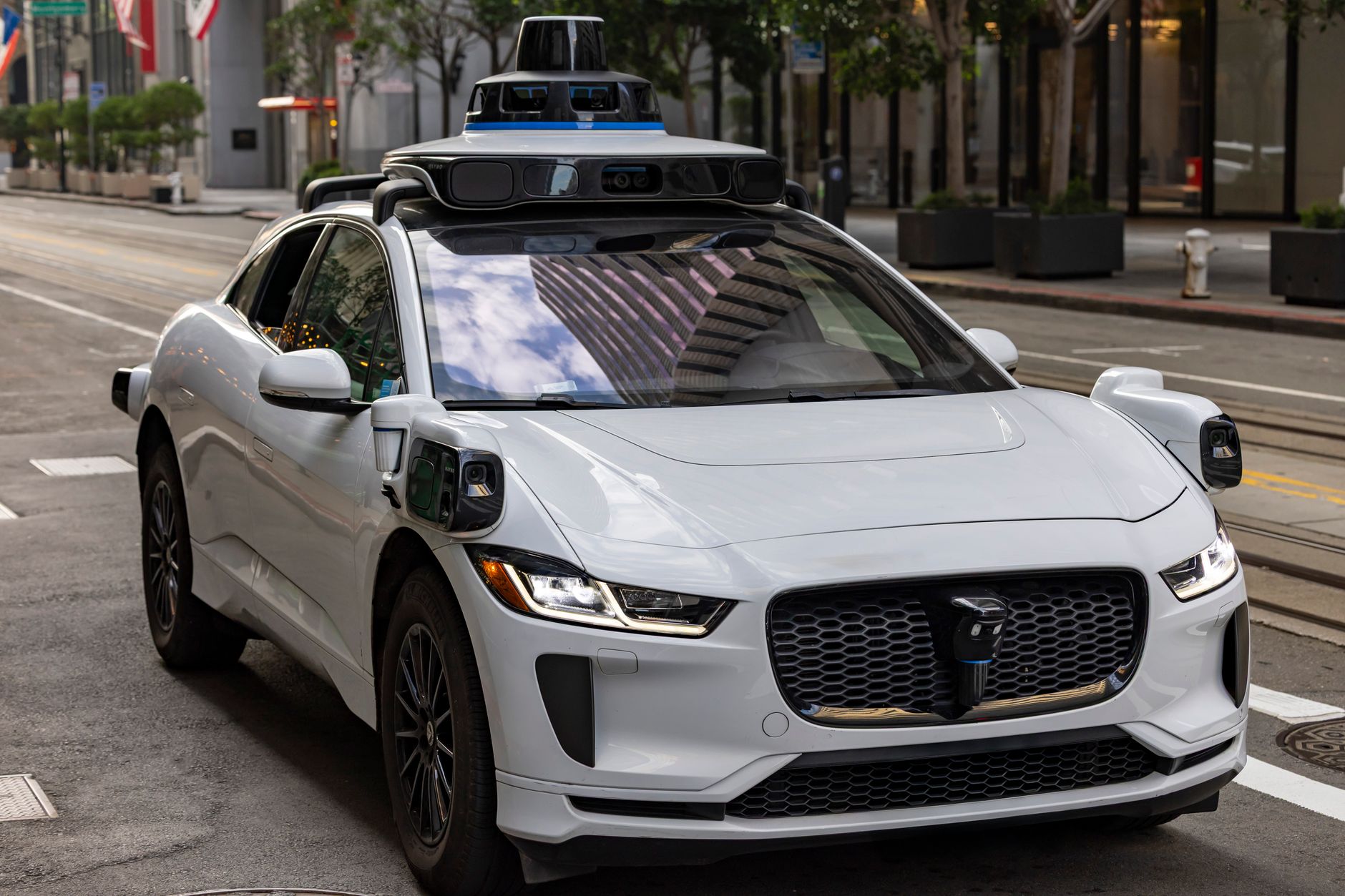
    Tesla’s robotaxi service is now operating in Miami, the company said on July 3, 2026, marking the ride-hailing network’s expansion into a third market after Texas and California, according to Reuters. Tesla’s official Robotaxi account posted “Robotaxi now available in Miami” on X to announce the launch, Reuters reported.

    The initial service area covers roughly 10 to 14 square miles across central and western Miami-Dade County, including routes near Miami International Airport. Access is currently limited to riders using Tesla’s app through a waitlist, rather than opening to the general public immediately, according to Hoodline.

    Unlike some of Tesla’s earlier robotaxi rollouts, which launched with a safety monitor in the front seat, reporting from Not a Tesla App indicates the Miami vehicles are operating without anyone in the driver’s seat from day one.

    Why it matters if you own a Tesla

    The Miami launch doesn’t change anything about the car in your driveway — Robotaxi runs on a separate fleet and app, not your personal vehicle’s Autopilot or FSD Supervised software. It is, however, a sign of how quickly Tesla is scaling the service: Miami is the third market in under a year, following earlier launches in Texas and California.

    Tesla continues to face competition in the robotaxi space from Alphabet’s Waymo and Amazon’s Zoox, both of which are also expanding their own driverless ride-hailing services in US cities, per the same Reuters report.

    For now, Miami access is limited to an initial rider group. If you’re in the area and want to try it, check Tesla’s Robotaxi app for waitlist availability rather than expecting immediate, citywide access.

    Photo by Stephen Leonardi.

  • Tesla’s newest update expands blind-spot warning while parked, adds dashcam encryption and parental controls

    Tesla’s newest update expands blind-spot warning while parked, adds dashcam encryption and parental controls

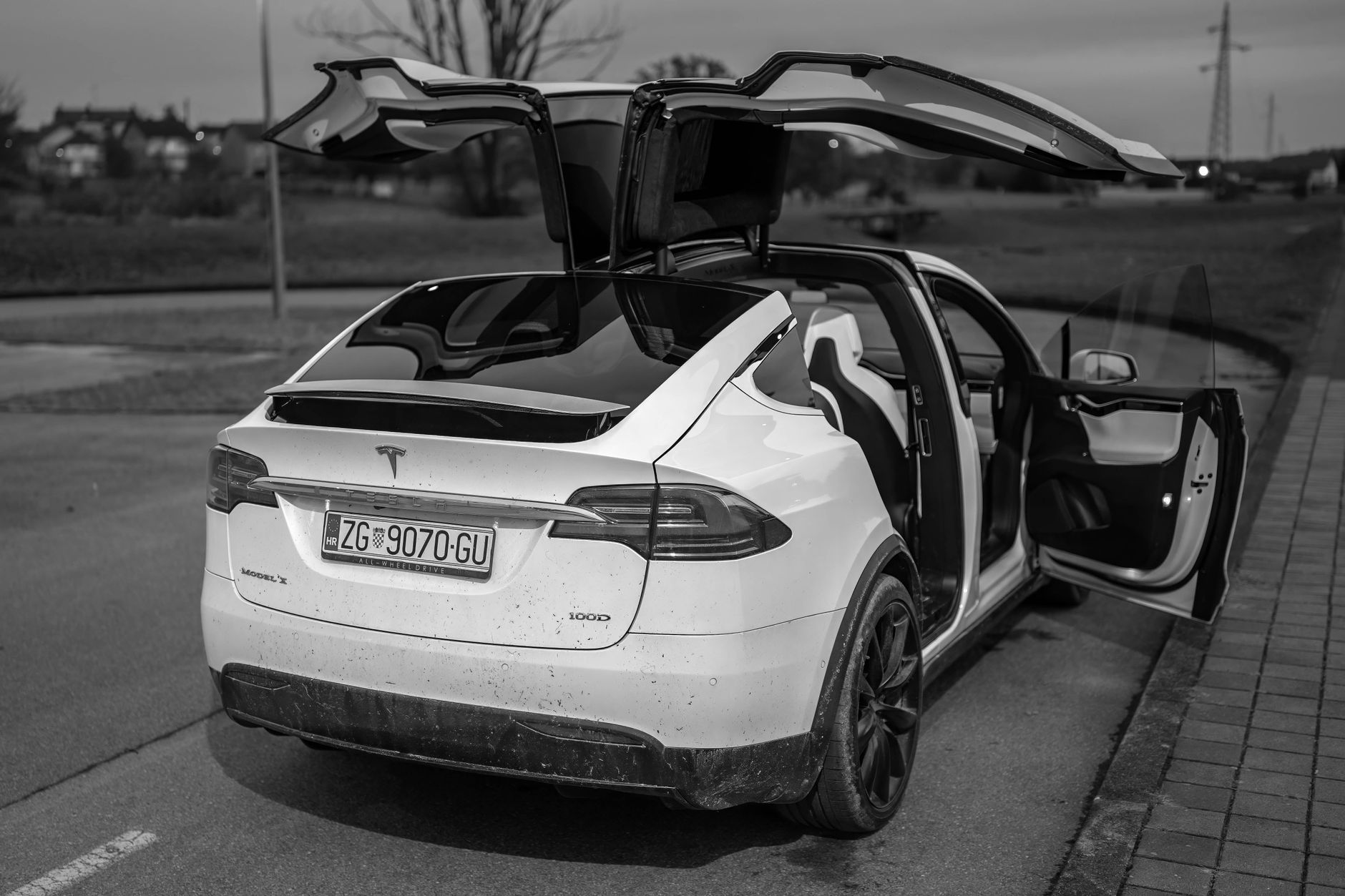
    Tesla began rolling out software version 2026.20.6.1 to its fleet starting July 2, 2026, a quick follow-up patch built on the 2026.20.6 update that came before it. As of early July, the new version was still reaching cars in batches, according to rollout tracking site Teslascope, and it remains Tesla’s newest released version as of this writing, per Not a Tesla App’s running list of updates. The update does not add any major new driving features, but it changes several things that affect everyday ownership, including parking safety, dashcam privacy, and parental controls.

    The most safety-relevant change is a wider rollout of “Blind Spot Warning While Parked,” a feature meant to prevent so-called “dooring” accidents, where a driver or passenger opens a car door into the path of a passing cyclist, pedestrian, or vehicle. According to Tesla’s own release notes, when the system detects an approaching object while the car is parked, a chime sounds and the door will not open on the first press of the door button; occupants can override the warning by pressing again a moment later. Tesla also displays a visual warning: on cars with cabin ambient lighting, the door-side light strip turns red, and some models add a small red indicator light near the front pillar speaker grille, according to a report from Not a Tesla App. This update carries forward an expansion that brought the feature to the current Model Y and to 2021-or-newer Model S and Model X worldwide, adding to coverage that already included the Model 3 and Cybertruck, as reported by Teslarati. For an owner, this means the car may briefly resist opening a door if a bike or car is approaching from behind. That short delay is intentional, not a malfunction, and a second press will open the door regardless.

    The update also changes how dashcam footage is stored. Tesla’s cars continuously record from their external cameras, and owners can save clips to a USB drive for later viewing. Starting with this update, clips saved to USB are encrypted by default, meaning a saved clip can no longer simply be opened on any computer. To view or share a clip, an owner now needs to decrypt it first, either through the Dashcam app or at dashcam.tesla.com, according to Tesla’s release notes. Owners who prefer the previous behavior can turn encryption off from the touchscreen, under Controls, then Safety, then Encrypt Dashcam Recordings. The change mainly protects owners in the event a USB drive is lost or stolen, since dashcam footage can capture license plates, faces, and location information that owners may not want viewable by a stranger.

    A new parental-controls option lets an owner block the car’s Browser, Theater video-streaming app, and Arcade games entirely. The setting is turned on from Controls, then Safety, then Parental Controls, while the car is in Park, according to the same release notes. This gives parents or other primary drivers a way to keep those apps from being used from the driver’s or passenger’s seat at all, rather than relying on other family members to simply avoid them.

    Tesla’s in-car assistant, Grok, built by Elon Musk’s company xAI, also continues to expand under this software branch. The hands-free “Hey Grok” wake phrase lets an owner open the assistant by speaking, instead of tapping the screen or holding down the steering-wheel voice button, according to Tesla’s release notes. Tesla has separately been adding Grok to more countries in this same 2026.20 update series, including Chile, Malaysia, the Philippines, Thailand, Singapore, and Hong Kong, according to Not a Tesla App. Grok remains in early beta, and Tesla says it does not yet control car functions like climate or lighting; for now it mainly helps with navigation, including adding or editing destinations by voice command.

    Owners do not need to do anything to get 2026.20.6.1. Like all Tesla software, it downloads over Wi-Fi and installs automatically once the car is idle, and this same update cycle added the option to let updates install overnight on their own, according to Tesla’s release notes. Owners can check whether it has arrived by opening Controls, then Software, on the car’s touchscreen.

    Photo by Vladimir Srajber.

  • Tesla Q2 2026 delivery numbers: what owners should know.

    Tesla Q2 2026 delivery numbers: what owners should know.

    Tesla delivered 480,126 vehicles worldwide in the second quarter of 2026, according to the company’s official production and delivery report published July 2. It’s the best second quarter in the company’s history and the first year-over-year delivery increase after two straight years of decline.

    Tesla produced 451,758 vehicles during the quarter and delivered more than it built, which means the company worked down roughly 28,000 vehicles of existing inventory rather than adding to it, according to Electrek’s analysis of the report. That reverses a buildup of about 50,000 excess vehicles that had accumulated in the first quarter of 2026.

    How this compares to expectations

    Deliveries came in about 74,000 vehicles above the average Wall Street forecast, which had called for roughly 406,000 deliveries, per Electrek’s pre-report consensus tracking. Even the most optimistic analyst estimates, in the 418,000-to-420,000 range, fell well short of the actual number. Deliveries were also up 25% from the same quarter last year, when Tesla delivered 384,122 vehicles — and this quarter’s total is the second-highest of any quarter in company history, trailing only the 497,099 vehicles delivered in the third quarter of 2025.

    The Model 3 sedan and Model Y SUV accounted for 467,762 of the quarter’s deliveries. The remaining 12,364 covers the Model S, Model X, Cybertruck, and Semi combined. Tesla doesn’t break out delivery figures by individual model beyond the Model 3/Y grouping in its quarterly reports.

    What’s behind the jump

    The comparison is notable because it isn’t riding the same tailwind as last year. Q2 2025 deliveries were inflated by a rush of buyers trying to close deals before the US federal EV tax credit and similar rebate programs in other countries expired, which made this year’s growth, arriving without that same incentive push, more of a demand signal than the raw percentage alone suggests.

    Coverage from Yahoo Finance points to a few concrete factors instead: Tesla introduced lower-priced variants of the Model 3 and Model Y earlier this year, expanded its Full Self-Driving (Supervised) software into additional European markets, and saw a bump in European demand tied to a spike in fuel costs during the quarter. None of that changes what you pay for a Tesla today, but it helps explain where the extra volume came from.

    Tesla shares actually fell after the report — down roughly 7.5% on the day, per the same Yahoo Finance coverage — a reminder that a single quarter’s delivery beat doesn’t map cleanly onto stock performance, and isn’t something that should factor into an ownership decision either way.

    Energy storage grew too

    Tesla’s energy storage business — the Powerwall and Megapack products — deployed 13.5 GWh of storage in the quarter, up 40% from 9.6 GWh a year earlier. That’s a smaller beat than the vehicle side: it came in slightly below the roughly 13.8 GWh analysts had expected.

    What it means if you own or are ordering a Tesla

    A quarter where Tesla delivers more cars than it builds is generally good news if you’re waiting on a new order: it suggests the company is working through existing inventory rather than letting a backlog grow, which historically correlates with more predictable delivery windows rather than longer ones. It doesn’t tell you anything directly about pricing or incentives — those are set separately, change independently of delivery reports, and are worth confirming directly on Tesla’s order pages before you buy.

    If the lower-priced Model 3 and Model Y variants mentioned above are part of what drove this quarter’s numbers, it’s a good sign that Tesla is actively working the price end of the lineup — worth checking current configurator pricing if a more affordable trim is what’s been holding you back from ordering.

    For current owners, strong delivery and energy deployment numbers are one input, among many, into the broader health of the company that built your car and, if you have one, your Powerwall or home charging setup. But a single quarter’s delivery count isn’t a signal about your vehicle’s warranty, service network, or software support, which are governed separately and haven’t changed as a result of this report.

    Tesla is scheduled to release full second-quarter financial results on July 22, 2026, which will include more detail on margins, energy business profitability, and forward guidance than the delivery report alone covers. Its next production-and-delivery report will cover the third quarter and typically arrives in the first few days of October.

    One more data point worth keeping in perspective: this quarter also beat Tesla’s previous Q2 record of 466,140 vehicles, set back in 2023, by roughly 14,000 units. Combined with the swing from a 50,000-vehicle inventory buildup in Q1 to a 28,000-vehicle drawdown in Q2, the numbers suggest Tesla matched production more closely to actual demand this quarter than it had in the recent past — which, if it holds, is generally the kind of trend that supports steadier delivery timelines for new orders rather than the swings buyers have sometimes seen around quarter-end pushes.

    Photo by Craig Adderley.
  • xAI All Hands: Scaling to 1 Million GPUs and the Roadmap to “Macro Hard”

    xAI All Hands: Scaling to 1 Million GPUs and the Roadmap to “Macro Hard”

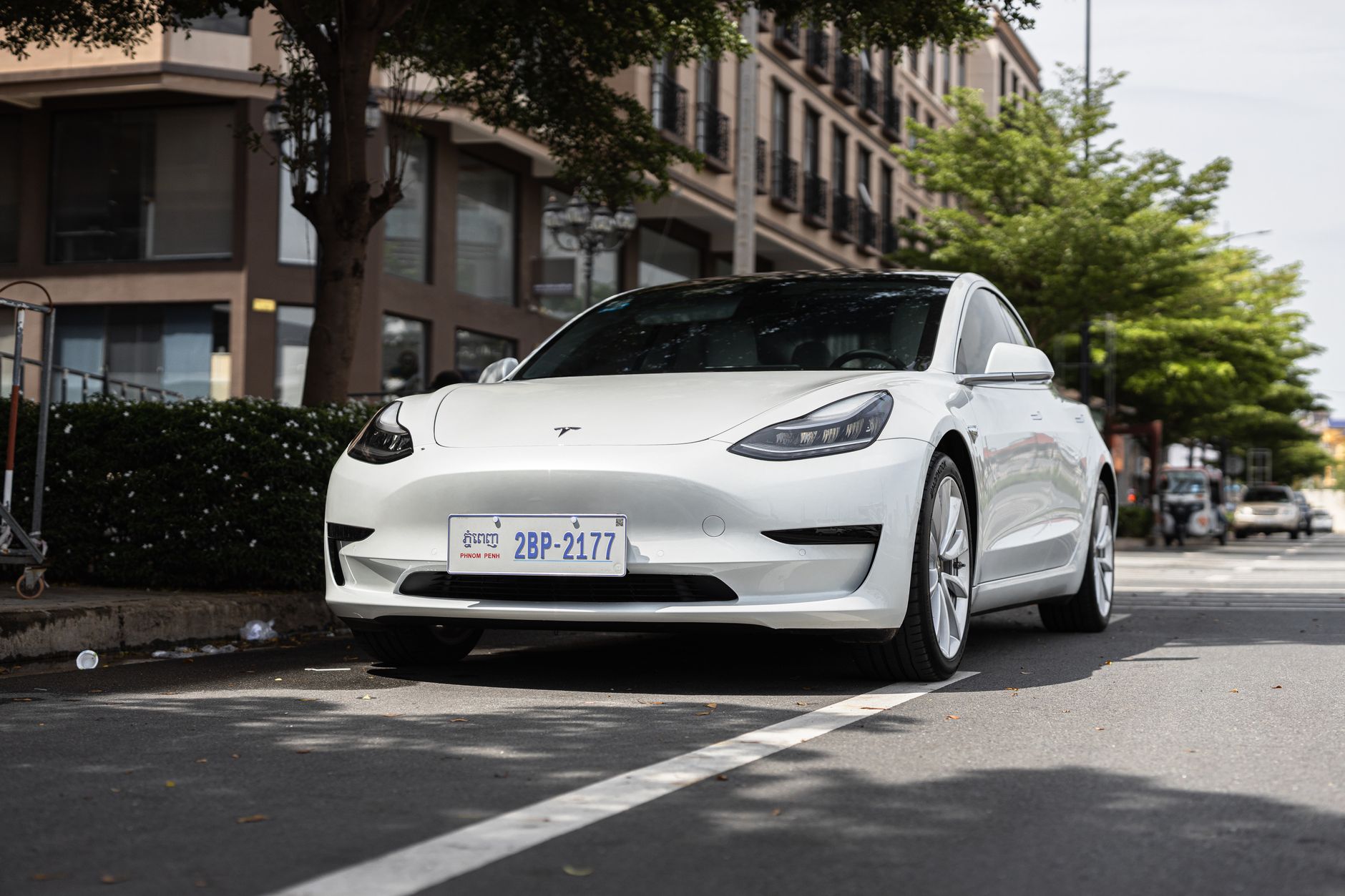
    In a milestone “All Hands” meeting recorded in February 2026, Elon Musk and the xAI leadership team detailed the company’s meteoric rise and a fundamental reorganization designed to accelerate the path to AGI. In just two and a half years, xAI has transformed from a “toddler” startup into a leader in compute velocity and generative media.

    A Major Reorganization for Velocity

    To maintain what Musk calls “maniacal velocity,” xAI has reorganized into four specialized application pillars designed to handle the company’s massive scale [00:04:16]:

    • Grok Main & Voice: Focused on the core foundation model and high-performance, real-time voice agents [00:04:55].
    • Grok Code: A team dedicated to recursive self-improvement, where AI is used to train the next generation of coding models [00:09:40].
    • Imagine: The visual generation wing, which has scaled to industry-leading volume in record time [00:13:48].
    • Macro Hard: A futuristic project aimed at the digital emulation of entire corporations [00:16:59].

    Dominating the Generative Media Landscape

    The Imagine team reported staggering growth metrics that place xAI at the top of the leaderboard for visual content. Within six months of launch, the platform is now seeing:

    • 50 Million videos generated daily [00:13:48].
    • 6 Billion images generated per month—surpassing major competitors by nearly 6x in volume [00:14:04].

    The roadmap for Imagine includes real-time video rendering and the ability to generate 10–20 minute video sequences in a single shot by the end of the year [00:15:07].

    The Memphis Supercomputer: 1 Million GPUs

    xAI’s compute advantage is anchored by its massive facility in Memphis. The team revealed they are scaling from their initial 100,000 H100 cluster to one million H100 GPU equivalents [00:02:10].

    The facility is a marvel of vertical integration, featuring 847 miles of fiber per data hall and a power system supported by the world’s largest Tesla Mega Pack installation [00:32:24]. Musk noted that the speed at which xAI brings compute online is currently unmatched in the industry [00:34:27].

    The “Macro Hard” Vision: Emulating Digital Companies

    Perhaps the most ambitious project discussed was Macro Hard. Musk described this as the “emulation of entire human companies” where the output is purely digital [00:19:56]. By creating a fully capable digital human emulator, xAI intends to orchestrate complex tasks across engineering, law, and medicine, leading to what they describe as “immense economic prosperity” [00:18:36].

    X App: The Everything App Evolution

    The meeting also highlighted the continued evolution of the X app into a centralized communication and financial hub:

    • Financial Success: X has officially crossed $1 Billion in Annual Recurring Revenue (ARR) from subscriptions [00:38:04].
    • X Money: A central source for monetary transactions is currently in closed beta and moving toward a worldwide launch [00:40:14].
    • Open Source: Musk reiterated his commitment to transparency, promising to open-source the recommendation and chat algorithms [00:39:03].

    Beyond Earth: The Lunar Mass Driver

    In a final look at the “interstellar ambitions” of the company, Musk connected the dots between xAI and SpaceX. To truly understand the universe, Musk argues we must access the energy of the sun at a scale Earth cannot provide [00:43:04].

    The plan involves launching Orbital Data Centers at a rate of 100–200 gigawatts per year, eventually scaling to a Lunar Mass Driver—a lunar-based facility that would launch AI satellites into deep space to explore the galaxy [00:43:53].


    To learn more about joining the team or the technical specifics of the Memphis cluster, visit x.ai.