Blog

  • Tesla’s Summer Update lets some cars join Google Meet and Teams calls

    Tesla’s Summer Update lets some cars join Google Meet and Teams calls

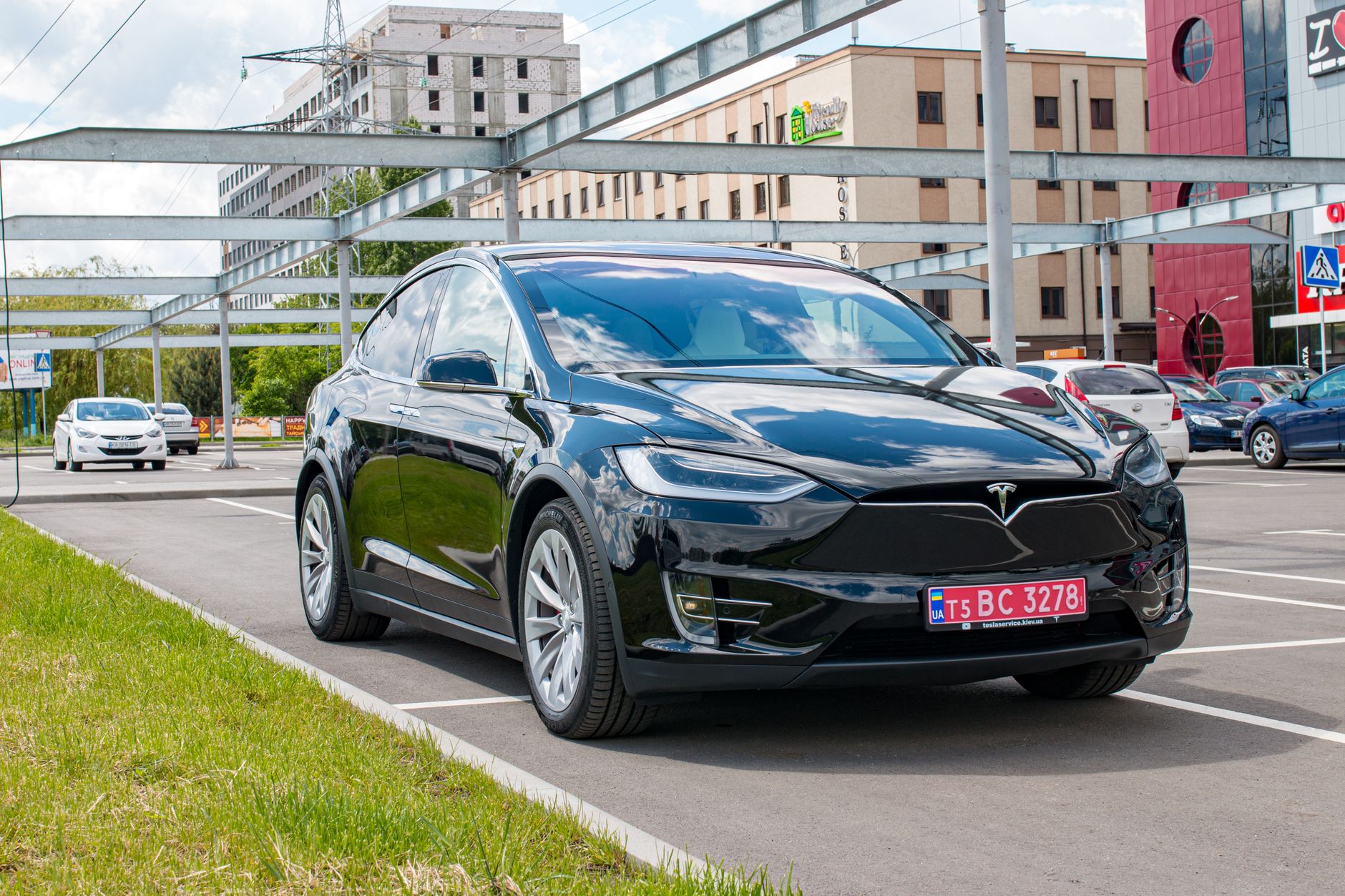
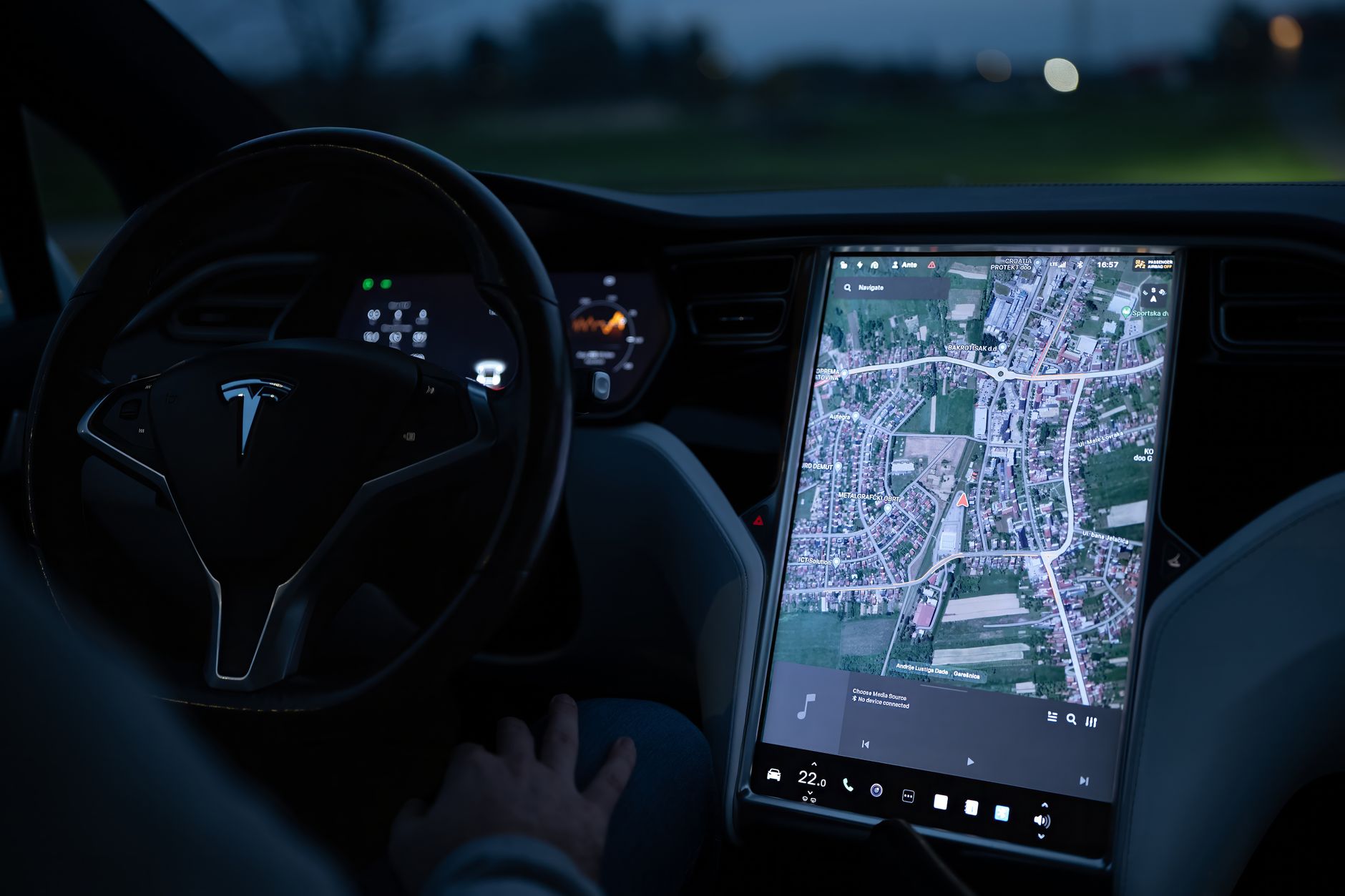
    Tesla’s 2026.26 Summer Update, which began rolling out to vehicles in late July, gives the car’s built-in web browser access to the cabin camera and interior microphone. That lets owners join video calls through any browser-based conferencing service, including Google Meet, Microsoft Teams, Discord, and X Spaces, instead of relying only on the dedicated Zoom app Tesla added in 2022.

    Release notes quoted by Electrek describe the change simply: the “browser now supports camera and microphone.” When a website requests access, the car shows an on-screen permission prompt, similar to how a desktop browser handles it. Drivers can deny the request, allow it for that session only, or grant permanent access, according to Not a Tesla App. Once a call connects, the video feed automatically zooms in and crops to center the driver’s seat in frame.

    Which cars can use it

    The feature is limited to vehicles built with Tesla’s AMD Ryzen infotainment computer, generally 2022-and-newer Model 3, Model Y, Model S, and Model X. Cars still running the older Intel Atom-based system cannot access it, according to InsideEVs. It also only works while the car is parked; shifting into Drive disables the camera feed, Teslarati reports.

    Tesla distributes the Summer Update gradually in waves rather than all at once, so not every eligible car has it yet. Owners can check by opening Software on the touchscreen, then tapping Release Notes, according to Tesla’s own software update support page, which notes that full release notes for a given vehicle only appear in the car itself once an update installs.

    The video-conferencing change arrived alongside other features in the same 2026.26 release, including expanded voice commands for Tesla’s Grok assistant and new traction control modes for Model 3 and Model Y, both of which have already reached parts of the fleet in prior weeks.

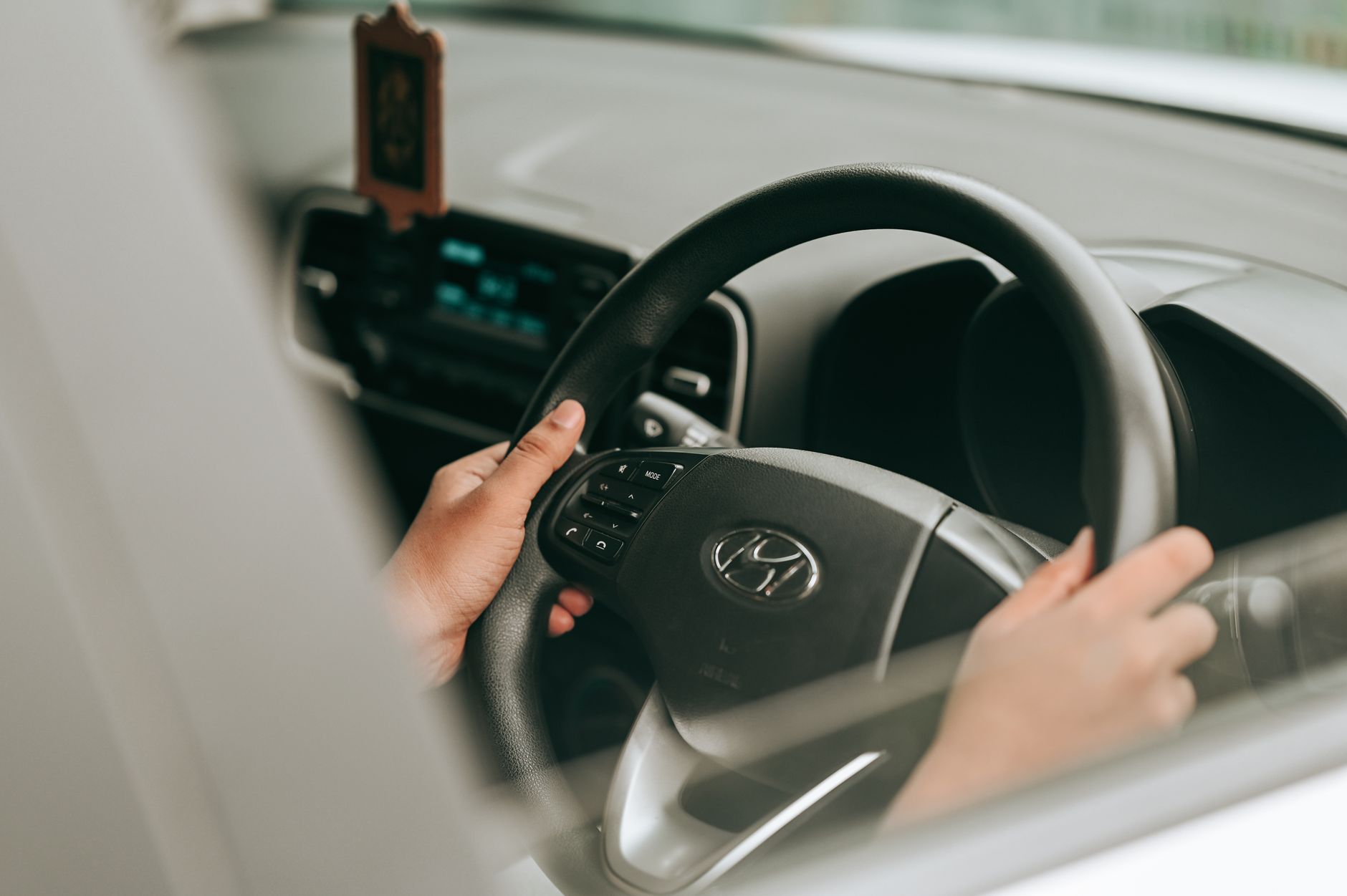
    Photo by Vladimir Srajber.
  • Cold weather cuts your Tesla’s range. Plan winter road trips around it.

    Cold weather cuts your Tesla’s range. Plan winter road trips around it.

    Winter driving costs you more range than most owners expect, and it is not a battery problem. Tesla’s own guidance explains why: an electric powertrain generates very little waste heat compared to a gas engine, so keeping the cabin warm draws directly from the same battery that powers the wheels. Cold temperatures also increase tire rolling resistance, which adds a smaller but steady drag on range.

    How much range you actually lose

    Recurrent, a battery-research firm that tracks real-world data from EVs across the country, found in its 2025-2026 winter study of more than 30,000 vehicles that EVs retain 78% of their maximum range on average at 32°F, and about 70% at 20°F. The best-performing vehicles in that study held onto 88% of their range in freezing conditions; the worst dropped to 69%. Tesla models were among the strongest performers, with heat-pump-equipped Model X, Model S, Model Y, and Model 3 all ranking near the top of the list.

    A separate Recurrent analysis reported by InsideEVs, current as of January 2025, broke out individual model figures at 32°F: a heat-pump-equipped Model 3 retained about 87% of its range, Model Y about 86%, Model S about 88%, and Model X about 89%. The same data showed Model 3 and Model S variants without a heat pump losing noticeably more, closer to 77-79% retained, which underscores how much of the winter penalty comes from cabin heating rather than the battery itself.

    What actually helps

    Precondition before you drive, not after. Tesla’s winter driving guidance recommends warming the battery and cabin while the car is still plugged in, ideally through Scheduled Departure, so the energy comes from the wall instead of the battery. A cold battery also can’t accept a fast charge as quickly, so starting a drive already warm helps at your next Supercharger stop too.

    Use seat and steering wheel heaters before turning up the cabin temperature. Tesla notes these draw less power than heating the whole cabin, and setting climate controls to Auto helps the car manage output efficiently rather than overheating the space.

    Keep the car plugged in when you can, especially in serious cold. Per Tesla, temperatures well below freezing may require more power to keep the battery warm than a standard 120-volt household outlet can supply, so a car left unplugged in a deep freeze can lose charge just sitting still.

    Planning a winter road trip

    Build in more buffer than you would in summer. If you’re used to treating the dashboard estimate as roughly accurate, winter is when that estimate slips the most, since it doesn’t fully account for a sustained cabin-heating load or a cold start. Let Trip Planner route you to Superchargers rather than navigating to them manually — the car preheats the battery automatically as you approach a charging stop it has planned, which shortens the time you spend charging once you arrive.

    Plan for shorter legs between stops than the rated range suggests, particularly on days below freezing, and treat the car’s real-time energy projection — visible in the Energy app en route — as more reliable than the range number you started the trip with.

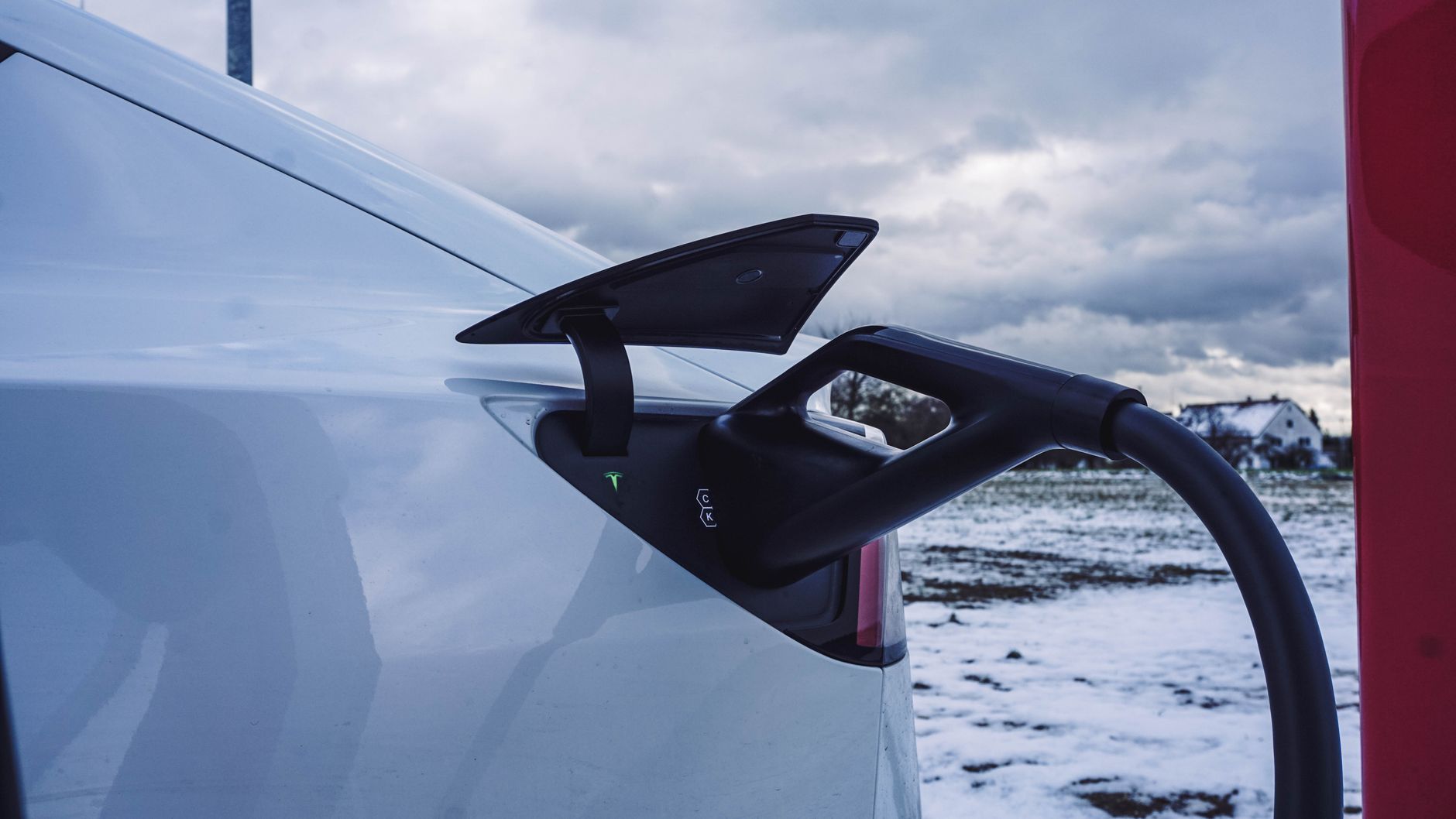
    Photo by Maik Poblocki.

  • The Real 5-Year Cost of Owning a Tesla, Line by Line

    The Real 5-Year Cost of Owning a Tesla, Line by Line

    Most Tesla shopping starts and ends with the sticker price. But the number on the order page is only one line in what you’ll actually spend over the first five years of ownership. Purchase price, depreciation, insurance, charging, and maintenance each move independently — and depreciation, not the price tag, tends to be the biggest single cost. Here’s what the real figures show, line by line, with the federal EV tax credit no longer part of the math for anyone buying today.

    The purchase price is just the starting line

    A 2026 Model Y Standard RWD starts at $41,630 including Tesla’s mandatory destination and order fees, according to Edmunds’ July 2026 pricing guide. Higher trims run well past that: Premium AWD lists at $51,630, and Performance tops the lineup at $59,630. None of these prices include a federal tax credit — Section 30D expired for vehicles acquired after September 30, 2025, so it no longer discounts any new Tesla purchase.

    Depreciation is the single biggest line item

    Five years in, a Model Y has typically lost 58.1% of its value, landing at an average resale price of $18,868, per iSeeCars’ 2026 resale-value study — well above the 41.5% average depreciation across all vehicles. Plan on keeping less than half of what you paid at delivery if you sell or trade in around year five.

    Insurance runs above the national average

    Full-coverage insurance on a Model Y averages $3,836 a year, about $799 more than the $3,037 national average for full coverage, according to Insure.com data updated in April 2026. Over five years that’s roughly $19,000 in premiums — more than the car’s projected resale value by that point. Rates vary by state and driving record, but Teslas consistently price above average because of higher parts and repair costs.

    Charging is the cheapest line on the list

    Home charging is where a Tesla claws some of that back. EnergySage put Model Y Long Range RWD charging at 4.7 cents per mile, based on a national average residential electricity rate of 17 cents per kWh as of July 2025 (updated October 2025). At the average American’s 12,200 miles a year, that’s roughly $570 annually — under $3,000 across five years. Electricity rates have kept climbing since; the national residential average hit 18.44 cents per kWh as of August 2026, so today’s number likely runs a bit higher, but charging still costs a fraction of what insurance or depreciation do.

    Maintenance is the smallest recurring cost

    AAA’s 2025 Your Driving Costs study, released in September 2025, found EVs have the second-lowest scheduled maintenance expenses of any vehicle category it tracks — no oil changes, no spark plugs, no exhaust system to service. Tesla’s own maintenance schedule is limited mostly to tire rotations, brake fluid checks, and cabin air filter swaps, which keeps this the cheapest line item of the five over a five-year hold.

    What that means for you

    Add it up and the sticker price is the smallest part of the story. Depreciation and insurance dominate a five-year ownership picture, together running well into five figures, while charging and maintenance stay comparatively minor. If you’re budgeting for a Tesla, the purchase price tells you what you’ll finance — the resale curve and insurance rate tell you what you’ll actually spend.

    Photo by Kindel Media.

    Photo by Kindel Media.

  • Do you need a center console organizer for your Tesla?

    The open bin under a Tesla’s center touchscreen is deep, unlined, and easy to lose small items in — sunglasses, cables, and a phone all slide around on a bare plastic floor. An organizer insert fixes that, but Tesla has redesigned the console enough times that the accessory you want depends heavily on exactly which console you have.

    Fit depends on which console generation you have

    Tesla has sold at least three distinct center console shapes since 2021, and inserts are not interchangeable between them. The Spigen organizer built for the current cars, for example, is listed as compatible with Model Y Juniper (Premium and Performance, 2025/2026) and Model 3 Highland (Standard, Premium and Performance, 2024/2025/2026) — and explicitly not compatible with the 2026 Model Y Standard, which uses a simpler console. A separate Spigen listing exists specifically for the older “legacy” Model Y (2021–2024) and Model 3 (2021–2023) shape. Before buying anything, match your car’s exact model year and trim to the listing, not just the model name.

    Tesla sells factory trays too

    Tesla’s own accessory shop carries console tray sets for both generations. For the redesigned 2025-and-later Model Y Premium and Performance, Tesla’s Model Y Center Console Trays run $40 for a three-piece set — two front trays plus one armrest tray, with a sliding top tray that moves back to expose the lower compartment without removing anything, according to Not a Tesla App’s coverage of the listing. Tesla has also sold a $30 two-piece set — a divided front tray and a larger rear tray, both lined — for the earlier refreshed console design, per Tesla North’s reporting when that version restocked.

    Aftermarket options add features and cost less

    Third-party organizers usually undercut Tesla’s price while adding features the factory tray skips. The Spigen Console Organizer for Model Y Juniper/YL and Model 3 Highland sells for $28.99 on Amazon and carries a 4.8-star rating across 797 ratings as of this writing. It’s a rigid PC-plastic tray with a carbon-fiber-look accent, built-in silicone padding to stop rattling, and the same slide-to-access mechanism as Tesla’s own tray. It drops into the factory console slot with no adhesive or tools. Other third-party brands — Basenor and TSLDRV among them — sell similar inserts that bundle in extras such as a cup-holder liner or a wireless-charging pad, but fit and price vary by listing, so check the compatibility section closely rather than trusting the thumbnail.

    What that means for you

    Budget $25 to $40 for a console organizer, and treat the compatibility listing as the deciding factor, not the price or the brand. If you have a 2024-or-later Model 3 or a 2025-or-later Model Y, look for listings that explicitly say “Highland” or “Juniper.” If you have an older car, look for “legacy” or the pre-2024 model years instead. A sliding top tray — offered by both Tesla and Spigen — is worth prioritizing, since it lets you reach the lower console without lifting the whole insert out.

  • How Tesla’s ordering process actually works, step by step

    How Tesla’s ordering process actually works, step by step

    Buying a Tesla doesn’t look like buying most other new cars. There’s no salesperson walking you through a lot, no back-and-forth over invoice pricing. It’s mostly a self-serve process that runs through your web browser and, later, the Tesla app. Here’s what actually happens between opening the configurator and getting a delivery date.

    You design the car yourself, or buy one that’s already built

    Tesla’s own ordering support page lays out two paths: design your Model 3, Model Y, or Cybertruck from scratch in the online configurator, choosing trim, color, wheels, and interior, or skip configuring altogether and select a vehicle from Tesla’s existing inventory for faster delivery. Both routes go through the same order flow — you can complete it online or in person at a Tesla store, and Tesla says the process itself only takes a few minutes.

    You pay a one-time order fee, not a refundable deposit

    Once you’ve settled on a configuration, placing the order requires a one-time, non-refundable fee paid by credit card — Tesla’s support page states this directly, without publishing the dollar figure. As of a July 25, 2026 pricing breakdown from Edmunds, that order fee is $250 on a new Model Y, separate from the roughly $1,390 destination fee that gets added to every vehicle regardless of configuration. Unlike a traditional dealer deposit, there’s no negotiating this fee down or applying it toward financing — it’s a flat charge to place the order, not a down payment on the car.

    Order confirmation kicks off a checklist, not a wait-and-see

    As soon as the order goes through, Tesla emails an order confirmation containing your order agreement, and that same email is where you can check your estimated delivery timing going forward. From there, the real work moves to the Tesla app: sign in with the same email and password used to place the order, and you’re walked through a series of pending tasks before pickup. According to Tesla’s support documentation, that includes entering trade-in details if you have one, handling vehicle registration, confirming delivery specifics, submitting proof of insurance, and setting up your final payment method — Tesla accepts electronic check through the app, wire transfer, or a certified check at delivery, and the full final payment has to come from a single account.

    What that means for you

    Because so much of this happens without a salesperson, the burden is on you to keep checking the app rather than waiting for a phone call. Treat the order confirmation email as your reference document for delivery timing, and treat the Tesla app’s task list as the actual to-do list between placing your order and picking up the car — nothing moves forward until those pending items are cleared.

    Photo by Antoni Shkraba.

    Photo by Antoni Shkraba.

  • How Tesla decides whether your problem needs mobile service or a shop visit.

    How Tesla decides whether your problem needs mobile service or a shop visit.

    Something goes wrong with your Tesla, and the first question isn’t what’s broken — it’s whether Tesla sends a technician to you or asks you to bring the car in. That decision isn’t up to the owner; it’s built into how Tesla’s service process works.

    You request service through the app

    Every Tesla service case starts in the Tesla app, not with a phone call to a shop. Tesla’s own support page points owners to Tesla Assist, described there as offering “personalized support for your vehicle and energy products,” along with a “Schedule a Service Visit” option and an online Service Portal for managing the request. You describe the problem in the app, and Tesla takes it from there.

    Mobile service comes to you — when the repair allows it

    Per Tesla’s mobile service page, a technician can come to a location you choose instead of requiring a trip to a service center. You document your concerns in the app up to 24 hours before the appointment, then provide directions to the car, security access details, shelter, and restroom access, and grant the technician vehicle access through the app when they arrive. Tesla specifically warns against installing a software update the day of the appointment, since that can significantly lengthen the repair. Once the work is done, you get an app and text notification, and any balance is paid the same way.

    Whether a given repair qualifies for mobile service or needs a service center’s equipment is something Tesla determines after you submit the request through the app — it isn’t a choice owners make up front.

    Kim Java shares her own experience with this on her channel, in a video posted August 16, 2026:

    The video, titled “I Have a Tesla Problem…We Got the Call,” is her account of a problem with her car and a call she says she got from Tesla about it. It’s one owner’s experience, not a preview of how every service case unfolds — the app-first process and the mobile-versus-service-center decision described above come from Tesla’s own documentation, not from her video.

    Photo by cottonbro studio.

  • Tesla’s V2L power adapter costs $80 for some owners and $1,750 for others

    Tesla’s V2L power adapter costs $80 for some owners and $1,750 for others

    Vehicle-to-Load (V2L) lets a Tesla power outside devices from its battery, but what it costs to get depends entirely on which car you own. For newer Model Y Premium and Performance trims, it’s an $80 accessory. For older Model Ys, it’s a parts bill north of $1,700 with no official program to get it done.

    New cars: $80 and a cable

    Tesla began selling a $80 Outlet Adapter for the Model Y Premium and Performance in the U.S. in mid-August 2026, according to Electrek. It plugs into the Gen 3 Mobile Connector that ships with new Model Ys and outputs 2.4 kW through a standard 120V household socket at 20 amps. It only works on vehicles built with the newer PCS2 power conversion hardware; the Model Y Standard and the Model 3 lineup aren’t compatible. It’s the same part, at the same price and power ceiling, that Tesla launched for Cybertruck owners back in April 2025.

    Older cars: a $1,750 retrofit, if you can get it

    Owners of older Model Ys built with the earlier PCS1 hardware don’t have that option yet. Not a Tesla App reported on August 17, 2026 that Tesla has published a draft retrofit procedure swapping the PCS1 unit for a PCS2-Lite, but the job is far from simple. The documentation runs 344 steps and requires putting the car on a lift, isolating the high-voltage battery, draining and refilling coolant, opening the battery’s ancillary bay, modifying wiring, and replacing the power conversion unit itself. The PCS2 part alone (part number 2100145-N0-E) runs about $1,750, before adding a 12V DC harness, an AC filter harness, and revised coolant hoses. Once installed, output is capped at the same 2.4 kW as the factory adapter — there’s no extra capability for the extra cost. Critically, Tesla has not announced a customer-facing retrofit program or said service centers will perform this upgrade just to add V2L, so there’s currently no formal path for most owners to request it.

    Ryan Shaw breaks down the cost difference on his channel in a video posted August 19, 2026:

    The video is one creator’s summary of the situation, not a source for the figures above — those numbers come from Electrek’s reporting on the factory adapter and Not a Tesla App’s reporting on the retrofit procedure, cited above.

    Photo by Castorly Stock.

    Photo by Castorly Stock.

  • Tesla is auctioning off its leftover Model S and Model X parts inventory.

    Tesla is auctioning off its leftover Model S and Model X parts inventory.

    Tesla is selling off large batches of new, unused Model S and Model X parts through B-Stock, a liquidation auction platform, according to a report from Not a Tesla App published August 17, 2026. The listings follow the end of Model S and Model X production and the removal of the Fremont assembly line that built them, which Tesla cleared out in 46 days to make room for Optimus manufacturing.

    What’s actually up for auction

    The listings are sized for repair shops and parts resellers, not individual owners. One auction offers 171 Model S center-console assemblies and related components, carrying a combined MSRP of $114,875, with bidding starting at just $175. A separate Model X auction covers 775 interior-pillar components valued at $270,645, with bidding opening at $100. Other listings include six pallets of Model X exterior lighting and chassis parts (MSRP $87,870) and nine pallets holding more than 10,000 Model S and Model X electrical components valued at $842,390.

    Why Tesla is doing this now

    The auctions line up with Tesla’s broader wind-down of the two nameplates. Model S and Model X production ended earlier in 2026, and the Fremont line that built them has been retooled for Optimus, Tesla’s humanoid robot. Selling off leftover parts inventory in bulk is a standard way for an automaker to clear warehouse space once a model is no longer being built, rather than a signal about how it plans to support the cars already on the road — hundreds of thousands of which remain in service today.

    Tesla has also said it intends to open-source Model S and Model X design and software materials, which could eventually let third-party manufacturers produce replacement components — though Tesla hasn’t given a timeline for that.

    What that means for you

    If you own a Model S or Model X, nothing about your existing warranty changes: standard vehicle coverage still runs 4 years or 50,000 miles, and battery and drive unit coverage still runs 8 years or 150,000 miles, including on recently delivered Signature series cars. These auctions are Tesla liquidating excess factory stock in bulk pallet lots, not evidence that parts for in-service cars are running out — but they’re a reminder that as production recedes further into the past, it’s worth keeping your service center in the loop on any parts lead times for less common repairs, rather than assuming supply will stay as fast as it was when the cars were still in production.

    Photo by Borys Zaitsev.

    Photo by Borys Zaitsev.

  • Tesla’s Full Self-Driving still needs an attentive driver. Here’s why.

    Tesla’s Full Self-Driving still needs an attentive driver. Here’s why.

    Full Self-Driving (Supervised) can steer, accelerate, brake, and navigate through most driving situations, but it is not a self-driving car in the legal or technical sense. Tesla classifies it as a driver assistance system that requires a human ready to take over at any moment.

    What FSD Supervised actually is

    Tesla describes FSD (Supervised) as “a suite of advanced driver assistance features that can drive your Tesla vehicle almost anywhere,” spanning what the company calls Drives to You, Drives for You, and Parks for You. But Tesla is explicit that none of this adds up to autonomy: “None of these advanced driver assistance features make your Tesla vehicle fully autonomous or replace you as the driver.” The vehicle is still legally and functionally driven by the person behind the wheel.

    The attentiveness requirement

    Tesla’s own documentation states plainly that FSD (Supervised) “is intended to be used only with a fully attentive driver,” and that anyone using it “must use additional caution and remain attentive.” Tesla also publishes a Full Self-Driving (Supervised) Vehicle Safety Report, the page it uses to track and disclose real-world performance of the system. The requirement isn’t a suggestion buried in fine print; it’s the operating premise of the feature. The driver, not the software, is treated as the one in control.

    What this means for an owner

    In practice, that means hands ready on the wheel, eyes on the road, and a willingness to intervene the moment the car does something wrong, on every drive, not just unfamiliar ones. FSD Supervised can handle a wide range of routine situations smoothly, but Tesla’s own framing makes clear it is a supervised tool, not a substitute driver. An owner who treats it as anything more is going beyond what Tesla says the system is built for.

    Dirty Tesla put this to the test in a video posted August 4, 2026:

    The video reflects one creator’s real-world testing on public roads and is not an official Tesla source; the facts above about what FSD Supervised is and requires come from Tesla’s own documentation.

    Photo by Sachu Zayn.

  • Colorado’s EV tax credit dropped this year. Here’s what a Tesla buyer actually gets.

    Colorado’s EV tax credit dropped this year. Here’s what a Tesla buyer actually gets.

    Colorado’s state EV tax credit got smaller this year, and the change is easy to miss if you’re only half-following incentive news. As of August 18, 2026, the base Innovative Motor Vehicle Credit dropped from $3,500 in 2025 to $750 for vehicles purchased or leased in 2026. That’s a real cut, and it applies whether you buy or lease. But there’s a second piece of the credit that a lot of buyers overlook, and it can matter a lot if you’re shopping for a lower-priced Tesla.

    The base credit is smaller now

    Colorado’s Department of Revenue publishes the credit amount by tax year, and the schedule has been stepping down since 2024. According to the state’s official Income Tax Topics: Innovative Motor Vehicle Credit guidance, the credit was $5,000 in 2024, dropped to $3,500 in 2025, and is $750 for tax year 2026. Amounts for 2027 and 2028 haven’t been set yet — the state says they’ll depend on future revenue forecasts.

    To qualify at all, the vehicle has to be new, electric or plug-in hybrid, titled and registered in Colorado, and have a manufacturer’s suggested retail price (MSRP) of $80,000 or less. Every current Tesla model comes in well under that cap, so the ceiling isn’t usually the issue — the base amount is.

    The part buyers miss: an extra $2,500 under $35,000 MSRP

    On top of the base credit, Colorado allows an additional $2,500 credit for any qualifying vehicle with an MSRP under $35,000. This add-on has applied since 2024 and, per the state’s guidance, stays in place through tax years before January 1, 2029 — so it’s still active in 2026. That means a vehicle priced under $35,000 can combine the $750 base credit with the $2,500 additional credit for up to $3,250 total. A vehicle priced at or above $35,000 only gets the $750 base amount.

    The MSRP threshold is based on the sticker price the manufacturer sets — the number on the vehicle’s window label — not the price you actually negotiate or finance. Destination charges, dealer add-ons, and taxes and fees don’t count toward it, according to the same state guidance.

    For Tesla shoppers, that $35,000 line matters because it separates two different outcomes on the same base credit. Tesla’s lineup and pricing change over time, and options can push a configuration’s MSRP up, so whether a specific vehicle you’re looking at clears the threshold depends on its exact build. Check the MSRP on the window sticker for the configuration you’re actually ordering before assuming which credit tier applies.

    A separate program for income-qualified buyers

    Colorado also runs the Vehicle Exchange Colorado (VXC) program, a separate rebate for income-qualified residents who trade in an older or higher-emitting vehicle for an EV. It isn’t a tax credit — it’s applied at the time of purchase or lease through a participating dealer — and it has its own income and vehicle requirements that are different from the Innovative Motor Vehicle Credit described above.

    What to do before you count on a number

    These figures come directly from the Colorado Department of Revenue and are current as of August 18, 2026, but tax credit rules can change and individual situations vary — your filing status, the specific vehicle’s confirmed MSRP, and how the assignment-to-dealer option works can all affect what you actually receive. This article is informational, not tax advice. Before you assume a number applies to your purchase, confirm eligibility with the Colorado Department of Revenue’s EV tax credit page or with a tax professional.

    Photo by Giant Asparagus.