Blog

  • Are Tesla’s prices negotiable? What you can actually change before you buy.

    Are Tesla’s prices negotiable? What you can actually change before you buy.

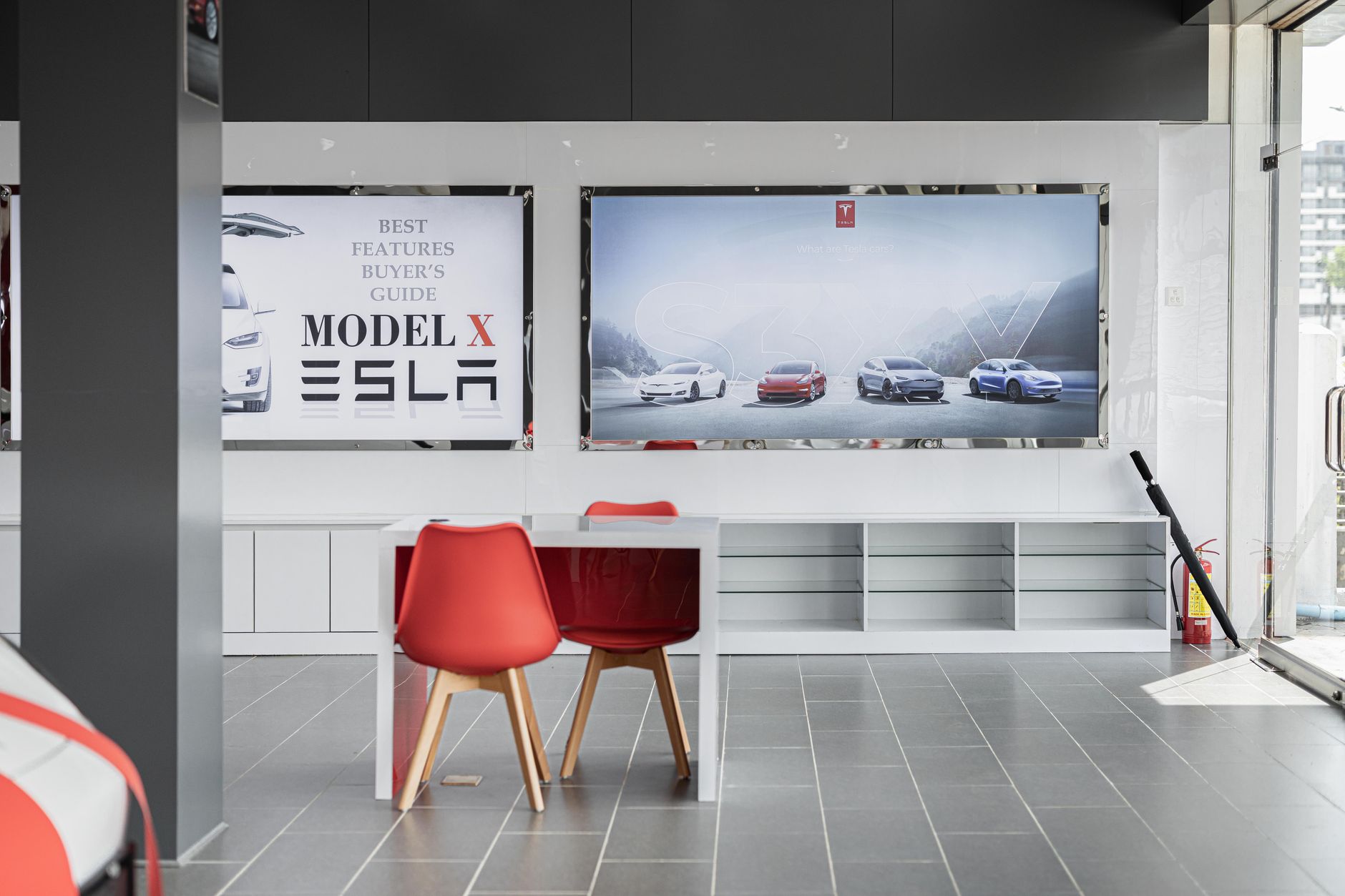
    If you’re used to haggling at a dealership, ordering a Tesla feels different. Tesla sells directly to buyers online instead of through independently owned dealerships, and that removes the middleman most negotiation depends on. As one buyer’s guide puts it, “Tesla doesn’t do any negotiating. Period. The showroom won’t haggle because prices are fixed by the manufacturer.” A separate breakdown of Tesla’s pricing model notes that “when you order a Tesla, the MSRP is the price you’ll pay” — there’s no sales manager to ask for a better number.

    That doesn’t mean every dollar is fixed, though. A few things are still within your control:

    Inventory and demo vehicles. Tesla regularly discounts existing inventory and demo cars — vehicles already built and sitting on a lot, rather than custom-ordered — especially near the end of a quarter. One buyer-deals roundup reported buyers locking in up to $2,500 off on inventory Model Y vehicles as of late June 2026 by combining inventory credits with referral benefits. These discounts change constantly and aren’t guaranteed, so treat any specific figure as a snapshot, not a standing offer — check Tesla’s inventory page for current pricing before you assume last month’s deal still applies.

    Financing. Tesla’s own financing rate isn’t the only option. Comparing it against a credit union or outside bank loan before you sign can meaningfully change your total cost, since Tesla’s rate isn’t always the cheapest one available to you.

    Trade-in value. Your trade-in is a separate transaction from the price of the new car. Tesla will make an offer, but you’re free to shop that trade-in around to other dealers or private buyers and take whichever offer is higher — Tesla’s number isn’t the only one on the table.

    Referral credit. Ordering with another owner’s referral link can knock a set amount off your price or add other perks, at no cost to you.

    The one thing that’s genuinely fixed is the base configuration price — no advisor has room to cut you a deal on it the way a traditional dealership salesperson might. Where you have leverage is in which vehicle you buy (inventory vs. custom order), how you finance it, and what you do with your trade-in.

    Photo by SHVETS production.
  • Destination charging isn’t Supercharging. Here’s when to use each.

    Destination charging isn’t Supercharging. Here’s when to use each.

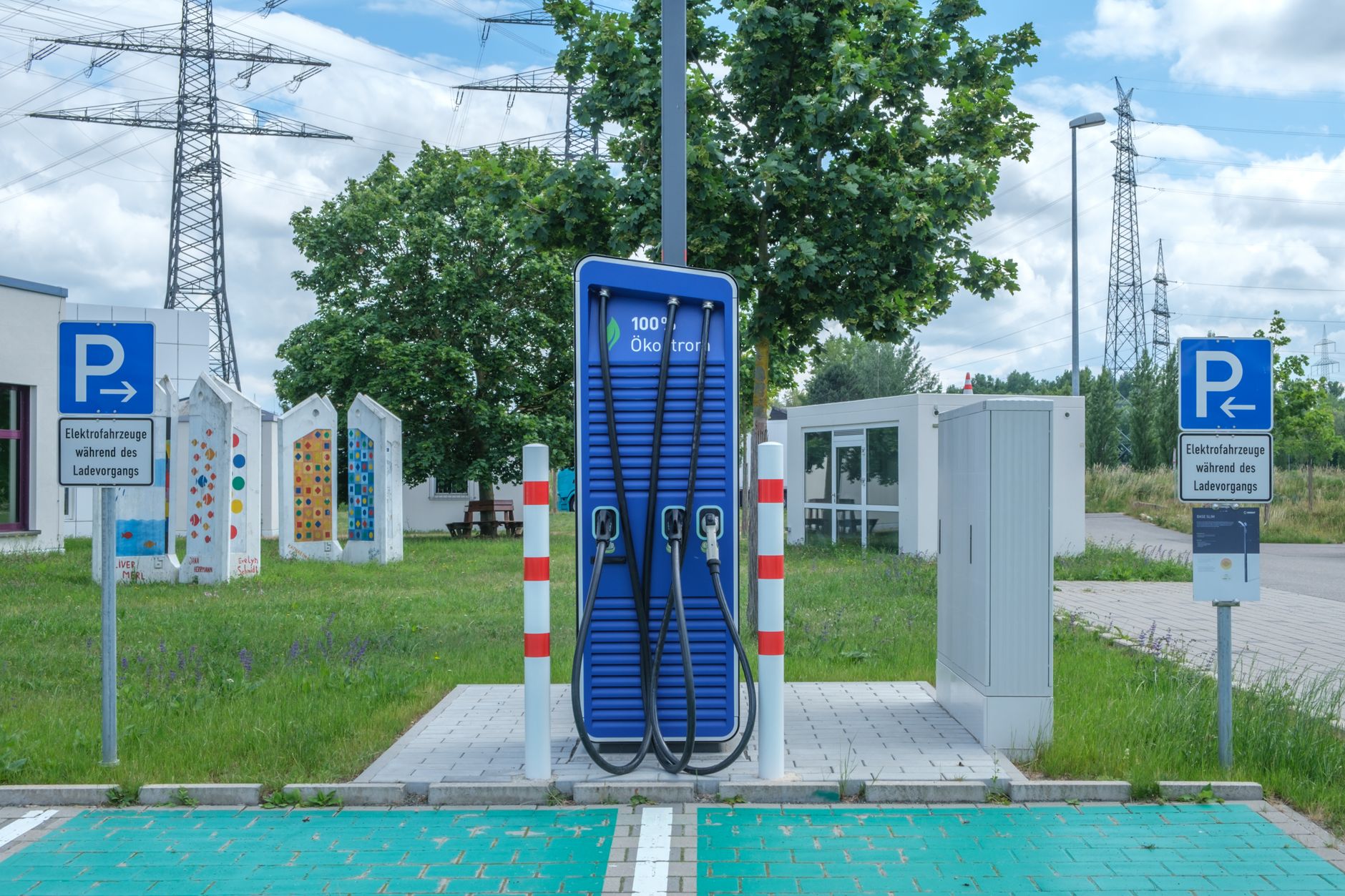
    Your Tesla can charge in two very different ways once you’re away from home, and mixing them up can cost you time or money. Superchargers are built for speed: Tesla’s official charging support page says they can add up to 200 miles of range in about 15 minutes, and the network now includes more than 80,000 Superchargers worldwide, positioned along major routes so you can charge quickly and get back on the road.

    Destination charging works differently. These are Wall Connectors installed at hotels, restaurants, resorts, and other places you’re likely to spend a few hours, and Tesla says there are more than 40,000 of them in urban and rural locations. Instead of a fast top-up, destination charging adds roughly 44 miles of range per hour, according to Tesla, which is closer to what you’d get charging at home overnight.

    The practical difference comes down to who pays and how it’s built into your plans. Superchargers typically cost around 25 cents per kWh and bill automatically to your account. Destination chargers are usually free to use, since the property owner covers the electricity cost as a perk for guests, not Tesla.

    That makes the choice mostly about your itinerary rather than your battery. If you’re mid-road-trip and need to keep moving, a Supercharger is the right call almost every time — waiting hours for 44 miles an hour doesn’t make sense when you have somewhere to be. But if you’re stopping for the night at a hotel or settling in for a long dinner, plugging into a destination charger costs you nothing extra and doesn’t add the wear that comes with relying on DC fast charging for every charge. Most owners end up using both: Superchargers for the miles that matter, destination chargers for the miles that come free while you’re already parked.

    Both charger types show up in your car’s navigation and the Tesla app when you search for charging along a route, so you don’t have to guess which type is nearby before you plan a stop.

    Photo by Reinhard Bruckner.

  • The factory that used to build the Model S and X is now building something else.

    The factory that used to build the Model S and X is now building something else.

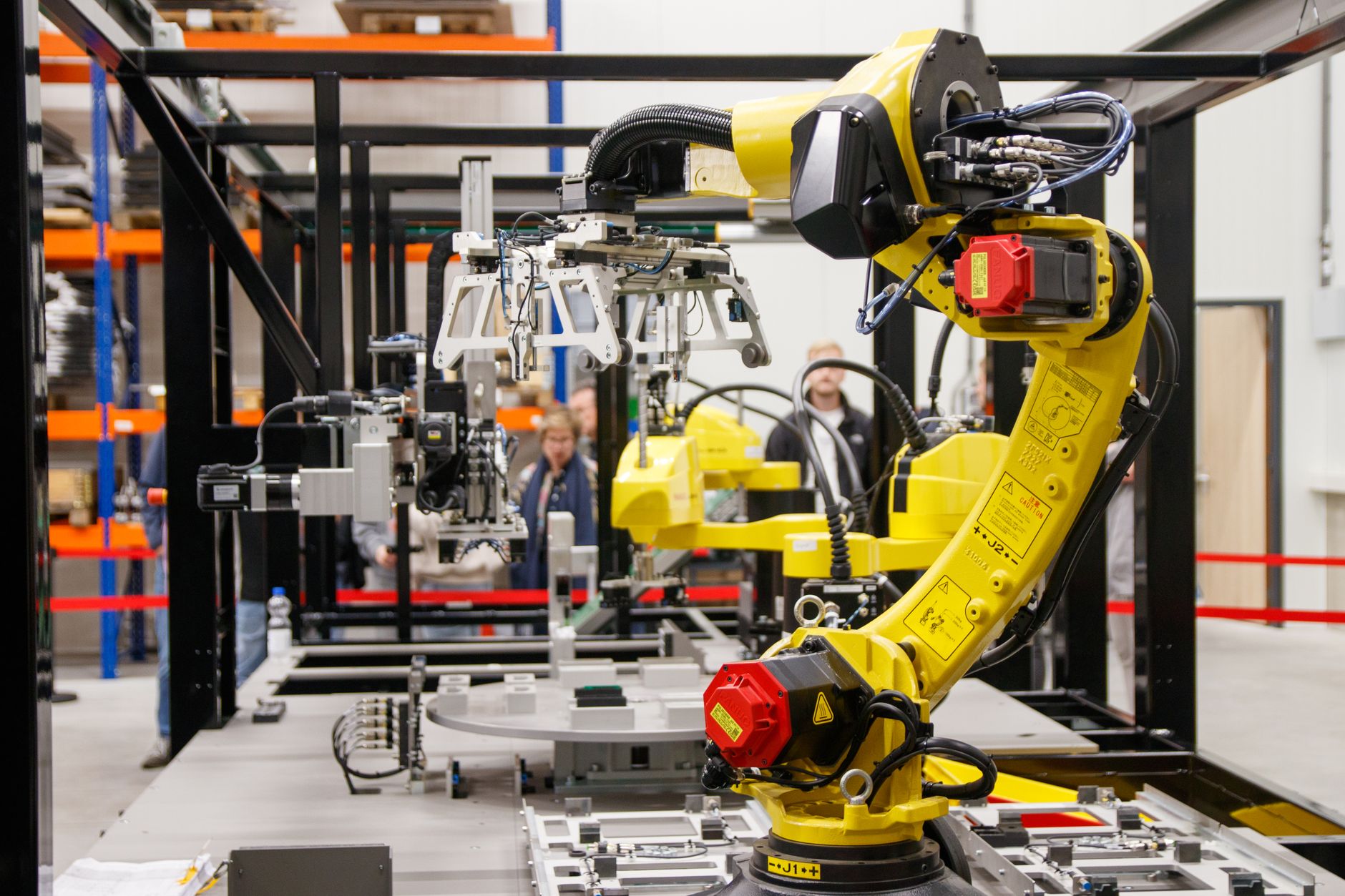
    Tesla is converting part of its Fremont, California factory into a production line for Optimus, the company’s humanoid robot, with initial manufacturing runs expected in the third quarter of 2026, according to a summary of Tesla’s Q2 2026 earnings call. The space is the same production line that used to build the Model S and Model X, which Tesla stopped manufacturing earlier this year.

    On the earnings call, held after Tesla released its second-quarter 2026 financial results on July 22, CEO Elon Musk described Optimus as the hardest manufacturing ramp Tesla has ever attempted. “The production scaling challenge is very substantial. The hardest product to scale, the hardest one they’ve ever made at Tesla,” Musk said, according to a transcript of the call published by Shacknews. He added that construction at the Fremont factory for Optimus began after Tesla decommissioned the Model S and X lines, with production anticipated later this year.

    Early robots built at Fremont are expected to go through what Tesla calls “Optimus Academy,” an internal program meant to collect training data and refine the robot’s software before wider production, per the earnings call summary. Tesla is also continuing site development and construction at Gigafactory Texas for a dedicated Optimus facility, where a later version of the robot, referred to as Optimus V4, is planned to be built with components designed to be easier to manufacture than the version now starting at Fremont.

    None of this changes anything about buying, delivering, or owning a Tesla car today. Optimus is a separate product built in a separate part of the factory, and Tesla hasn’t given a price or delivery timeline for it. But it does answer a question GetTesla readers have asked since Tesla wound down the Model S and X: the Fremont space isn’t sitting idle. It’s being retooled for the company’s next major manufacturing bet.

    Photo by Freek Wolsink.

  • Do you need seat covers for your Tesla?

    Do you need seat covers for your Tesla?

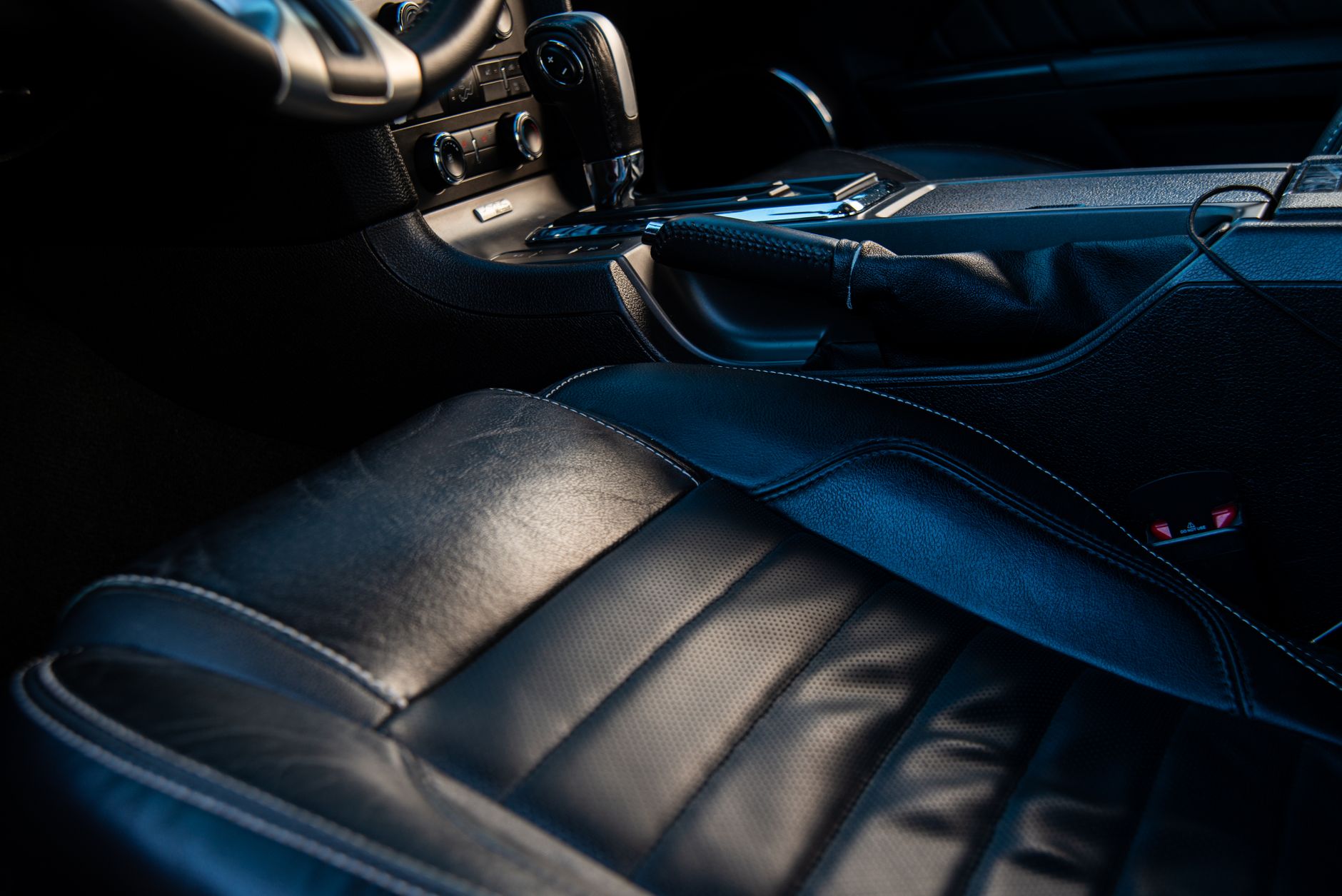
    Spilled coffee, dog hair, and hot summer vinyl are common reasons owners look at seat covers. Before you buy a set, know what Tesla itself says about them: its owner’s manual warns against covering the front seats, stating plainly: “Do not use seat covers on a front seat. Doing so could restrict deployment of the seat-mounted side airbags if a collision occurs.”

    That’s because the side airbags for Tesla’s front seats are built into the seatback itself, not the door or pillar. The airbag has to tear through the seat’s own upholstery to deploy in a crash, and a cover sitting over that seam can slow it down or send it in the wrong direction. Front-seat covers can also throw off the seat’s occupant-sensing hardware, which factors into how the passenger airbag responds.

    Retailers market “airbag-safe” or “airbag-compatible” front seat covers with a break-away seam meant to mimic the factory design, but Tesla’s own manual doesn’t carve out an exception for any aftermarket product. If you’re weighing the risk, the manual’s blanket warning is the more authoritative word than a product listing’s safety claim.

    Rear seats are a different story. Tesla’s warning is specific to front seats, where the side airbags live, so rear-seat covers carry meaningfully less of that particular risk — which is why owners protecting against kids, pets, or cargo spillover often limit covers to the back seat and leave the front alone.

    If protecting the front seats matters to you — say, you drive for delivery or rideshare — lower-risk options include seatback organizers and cushion-only pads that don’t wrap around the seatback where the airbag deploys, rather than a full one-piece cover. Floor mats and boot liners handle a lot of the same spill and wear concerns without touching the airbag question at all.

    The short version: check your own model’s manual before buying anything for the front seats, and don’t let a product description’s “airbag-safe” label override what Tesla itself tells owners not to do.

    Photo by Александр Лич.

  • Can you cancel a Tesla order? What happens to your money if you do.

    Can you cancel a Tesla order? What happens to your money if you do.

    Every new Tesla order starts with a one-time order fee, paid by credit card, that Tesla says is non-refundable. For a Model 3 or Model Y, that fee is commonly $250. Tesla also adds a separate, non-negotiable Destination Fee to every new-vehicle order, covering the cost of shipping the car from the factory to you — that fee applies regardless of whether you later cancel.

    If you want out of an order, Tesla’s process is simple: open the Tesla app, go to Vehicle Details, tap Manage, then Request to cancel, pick a reason, and confirm. What Tesla’s own support page does not spell out is a refund timeline or a list of exceptions for new orders — it documents the cancellation steps, not what happens to your $250 afterward. Treat the order fee as money you won’t see again once you’ve paid it, regardless of the reason for canceling.

    Buying pre-owned through Tesla works differently, and its refund terms are actually published. A pre-owned order requires a $500 Order Deposit, and Tesla lists two specific situations where you get it back: if you applied for Tesla Financing and weren’t approved, or if you switch to a new-vehicle order instead and work with a Tesla Advisor to move the deposit over while the pre-owned order is still active. Outside those two cases, Tesla states the deposit “is non-refundable after the order is placed.”

    The practical takeaway: don’t place an order, new or pre-owned, as a way to “hold” pricing or a build slot while you’re still deciding. Get financing pre-approved and any trade-in appraised first if either could change your mind, since neither the new-order fee nor most pre-owned deposit scenarios give you a way back once you’ve paid.

    Photo by Gustavo Fring.

  • Buying a Model S or Model X now that Tesla has stopped building them.

    Buying a Model S or Model X now that Tesla has stopped building them.

    Tesla ended new production of the Model S and Model X on June 30, 2026, closing out a run that started in 2012. Elon Musk said on Tesla’s Q4 2025 earnings call in January that “Model S & X production will wind down next quarter,” and by April 2026 custom orders had stopped for good. Tesla is converting the Fremont line that built both cars to build Optimus robots instead.

    If you still want one, only two paths are left: whatever’s sitting in Tesla’s remaining new-vehicle inventory, or the used market.

    As of early April 2026, Tesla had roughly 600 Model S and Model X units left worldwide, almost all of them in the US, and Model X had effectively sold out in the US market, with Model S described as “dwindling by the hour” and Plaid trims gone first. Those figures are months old by the time you’re reading this and stock only moves in one direction now, so check Tesla’s own Model S and Model X inventory pages directly rather than relying on any article, including this one.

    If new inventory is gone by the time you look, your remaining option is a used Model S or Model X, either through Tesla’s own pre-owned listings or a private sale or independent dealer. Expect prices to firm up rather than drop, since the pool of “new” units can only shrink from here.

    What happens if you already own one, or buy one of the last new ones? Musk said Tesla will “continue to support Model S & X programs for as long as people own the vehicles” — service, parts, and software updates. Tesla hasn’t published a timeline for how long that lasts, and the underlying warranty coverage doesn’t change: the 4-year/50,000-mile basic warranty and 8-year/150,000-mile battery and drive unit warranty still apply the same as before the announcement.

    One practical note if you’re cross-shopping: any Model S or Model X you buy now, new or used, was built before June 30, so trims and options are whatever’s physically on a lot rather than something you configure to order. If a specific configuration matters more than getting a factory-new car, a used-listing search will usually turn up more choices than what’s left in Tesla’s own new inventory.

    Photo by David Viorel.

  • Your Tesla’s cabin air filter: how often to change it, and how to tell it needs it.

    Your Tesla’s cabin air filter: how often to change it, and how to tell it needs it.

    Teslas skip a lot of the maintenance list that comes with a gas car. Per Tesla’s own maintenance guidance, there are no oil changes, no fuel system service, no spark plugs, and brake pad wear is rare because regenerative braking does most of the stopping. One item still needs regular attention, though, and it’s easy to forget because nothing about the car warns you loudly when it’s overdue: the cabin air filter.

    Tesla publishes a specific replacement interval by model:

    • Model 3 and Model Y (standard cabin filter): every 2 years
    • Model S and Model X (standard cabin filter): every 3 years
    • Any Tesla equipped with HEPA filtration: replace the HEPA filter and the separate carbon filter every 3 years
    • Cybertruck: every 2 years, or every year if you regularly drive on dirt or unpaved roads

    Those intervals assume normal driving conditions. If you commute through heavy traffic, wildfire smoke, or dusty rural roads, Tesla’s guidance notes the filter may need changing sooner, since reduced airflow, a musty smell in the cabin, or noticeably weaker climate performance are all signs it’s due regardless of the calendar.

    You don’t have to track the interval yourself. From the touchscreen, tap Controls, then Service, then Maintenance, and the car will show whether a filter replacement is currently recommended based on your car’s age and mileage.

    Replacement is one of the more DIY-friendly jobs Tesla publishes instructions for. Tesla’s own cabin filter replacement guide walks through the process for Model 3, and similar guides exist for other models through Tesla’s service documentation site. The job typically involves opening the glovebox or a panel near it, no special tools required, and takes a few minutes. A service center visit is the alternative if you’d rather not do it yourself, though it’s a straightforward enough job that many owners handle it at home with either an OEM part from Tesla or a compatible aftermarket HEPA filter.

    It’s a small, inexpensive thing to stay on top of, but it’s also one of the few maintenance items on a Tesla where ignoring the schedule has a direct, noticeable effect on how the car actually feels to sit in.

    Photo by Mathias Reding.

  • Tesla’s newest Superchargers can hit 500kW. Most Teslas still can’t use it.

    Tesla’s newest Superchargers can hit 500kW. Most Teslas still can’t use it.

    Tesla’s Supercharger hardware keeps getting faster, but the vehicle plugged into it usually isn’t the reason a charging session takes as long as it does. As of Tesla’s Q2 2026 network report, the company is now deploying a new generation of V4 charging cabinets capable of 500kW per dispenser, with roughly 10 U.S. sites live as of mid-May and more being added. The network overall passed 8,700 stations and 82,000 stalls worldwide by the end of the quarter.

    That 500kW number describes the hardware’s ceiling, not what any given car actually receives. Tesla already pushed existing V4 stalls to a lower but still-faster 325kW cap via an over-the-air update, according to Not a Tesla App and InsideEVs. The only Tesla that can pull that rate today is the Cybertruck, because it runs an 800-volt battery architecture. Model 3, Model Y, Model S, and Model X all use 400-volt packs, which remain capped at roughly 250kW regardless of how fast the stall itself can go.

    In practice, that means plugging a Model Y into a brand-new 500kW V4 stall next to a Cybertruck doing 325kW won’t get the Model Y there any faster. The stall provides the ceiling; your car’s own battery voltage sets the actual limit. Neither Tesla nor the outlets covering the rollout have published a timeline for bringing 400-volt models up to the higher speeds, so for now, upgrading the charger network mainly benefits Cybertruck owners and whatever higher-voltage vehicles Tesla builds next.

    A few things are still worth knowing before your next road trip:

    • Charging speed on any Tesla drops well before 100% regardless of stall hardware. The car protects the battery by slowing the rate as it fills, which is why Tesla’s own trip planner times your stops for a partial charge rather than a full one.
    • Not every Supercharger site has been upgraded to V4 yet. Older V2 and V3 stalls remain common, and the model of your car matters more than which generation of stall you pull into.
    • Precondition the battery before you arrive. Tesla’s navigation does this automatically when you route to a Supercharger, and it’s the single biggest factor in hitting your car’s actual peak rate, whatever that ceiling is.

    If you’re cross-shopping Tesla models partly on charging speed, that’s really a question about battery architecture, not which Supercharger stall you’ll plug into. Right now, that puts Cybertruck in its own category, with the rest of the lineup charging at speeds that have held steady for a while.

    Photo by Kindel Media.

  • Tesla’s Extended Service Agreement: what the monthly plan actually costs and covers.

    Tesla’s Extended Service Agreement: what the monthly plan actually costs and covers.

    Your Tesla’s factory coverage doesn’t last forever. The Basic Vehicle Limited Warranty covers 4 years or 50,000 miles, whichever comes first, and the Battery and Drive Unit Limited Warranty runs 8 years, with the mileage cap varying by model and trim (100,000 to 150,000 miles). Once the basic warranty lapses, repairs come out of your pocket unless you’ve bought Tesla’s Extended Service Agreement (ESA).

    Tesla sells the ESA as a monthly subscription rather than a one-time purchase. Current pricing, from Tesla’s official ESA page, is:

    • Model 3: $50/month
    • Model Y: $60/month
    • Model S: $125/month
    • Model X: $150/month

    The subscription only kicks in once your original warranty ends. Tesla typically sends enrollment offers in the last three months before your 48-month basic warranty expires, so there is no requirement to decide on day one. Once active, per reporting on Tesla’s ESA terms, coverage extends four more years or 100,000 miles, whichever comes first, with a $100 deductible per repair visit. It also includes Tesla Roadside Assistance.

    The ESA covers repair or replacement of most Tesla-manufactured parts that fail under normal use. It does not cover leased vehicles, consumables like the 12V battery, bodywork, accident damage, aftermarket modifications, or ordinary wear and tear, so it is worth reading the exclusions before assuming a given repair qualifies.

    Separately, Tesla sells a High Voltage Battery and Drive Unit Extended Service Agreement, a different product currently limited to Model 3 and Model Y. Per Tesla’s battery ESA page, it adds up to 24 months or 30,000 miles of coverage after your original 8-year battery/drive-unit warranty ends, with a $500 deductible per visit. Tesla does not publish a flat price for it; you review the exact cost in the Tesla app when you buy. There is also no grace period: you have to purchase it before your original battery warranty runs out, not after.

    If you are weighing whether to enroll, the math is straightforward: multiply the monthly price by however many years you plan to keep the car past its warranty, then compare that to what a single major out-of-warranty repair, such as a drive unit or a charging module, typically costs at a Tesla service center. For owners planning to keep their car long-term, that comparison is usually what decides it, not the sticker price of the subscription itself.

    Photo by Sergey Meshkov.

  • Tesla has stopped building the Model S and Model X. Here’s what that means for owners.

    Tesla has stopped building the Model S and Model X. Here’s what that means for owners.

    Tesla has stopped manufacturing the Model S and Model X. Custom orders for both vehicles are closed, and Tesla is now selling only the pre-built inventory that remains, according to Electrek, which reported the change on April 1, 2026, along with Elon Musk’s statement that “Custom orders of the Tesla Model S & X have come to an end.”

    Musk first signaled the move during Tesla’s fourth-quarter 2025 earnings call in January 2026, calling it an “honorable discharge” for both vehicles as the company shifts focus toward autonomy. The Model S launched in June 2012 and the Model X in 2015; combined, the two nameplates delivered more than 610,000 vehicles over their production runs, per Electrek’s reporting.

    What’s actually left to buy

    As of Electrek’s April 1 report, roughly 600 pre-built units remained in global inventory — about 295 Model S and 301 Model X, nearly all of them in the United States, with Canada and Europe already showing zero new units available. That inventory has continued to sell down in the months since, so anyone interested in one of the remaining cars should expect the selection to keep shrinking and should check Tesla’s inventory page directly rather than assume availability.

    Buyers of the remaining inventory get a couple of built-in perks: free DC fast charging at Tesla Superchargers and free lifetime Premium Connectivity, according to Electrek. Some locations were also offering discounts on remaining units, ranging from roughly $1,600 to more than $7,000 depending on the car and region — though as with any inventory deal, treat those figures as a snapshot rather than a guarantee, since pricing on remaining stock moves with what’s left on the lot.

    If you already own one

    Tesla’s announcements have focused on production and ordering, not on service. Neither Tesla’s statements nor the reporting on this shift has addressed what happens to routine service, parts availability, or existing warranty coverage for Model S and Model X owners going forward — Tesla has not published specifics on that, and this article won’t guess at them. If you own one of these cars, your existing new-vehicle warranty terms don’t change because production ended; if you have specific concerns about long-term parts or service availability, that’s a question worth putting directly to a Tesla service center rather than assuming either way.

    The Fremont line that built the Model S and Model X is being converted to build Optimus, Tesla’s humanoid robot, according to Electrek — a concrete sign that this is a permanent wind-down rather than a pause.

    Photo by I’m Zion.