Blog

  • What charging a Tesla at home actually costs, state by state.

    What charging a Tesla at home actually costs, state by state.

    People planning a Tesla purchase often hear a single number for “cost per mile” and assume it applies everywhere. It doesn’t. Home charging cost is mostly a function of your local electricity rate, and according to the U.S. Energy Information Administration’s most recent data (April 2026), average residential electricity prices range from about 14 cents per kWh in Washington state to over 35 cents per kWh in California — a difference of more than 2.4x.

    The math

    Cost per mile is your car’s electricity use (in kWh per mile) multiplied by your electricity rate (in dollars per kWh). Per EPA testing, a 2026 Model 3 Premium AWD uses about 0.26 kWh per mile, and a 2026 Model Y Long Range AWD uses about 0.27 kWh per mile. Multiply that by your rate and you get real numbers:

    Cost to drive 100 miles in a Model Y Long Range AWD (0.27 kWh/mile), by state electricity rate (EIA, April 2026):

    • Washington (14.36¢/kWh): $3.88
    • Georgia (15.37¢/kWh): $4.15
    • Florida (15.38¢/kWh): $4.15
    • Arizona (15.48¢/kWh): $4.18
    • Texas (16.99¢/kWh): $4.59
    • Ohio (19.49¢/kWh): $5.26
    • Illinois (20.47¢/kWh): $5.53
    • Michigan (21.39¢/kWh): $5.78
    • New York (29.45¢/kWh): $7.95
    • California (35.25¢/kWh): $9.52

    That’s the same car, the same driving, and more than double the fuel cost depending only on where you plug in. Even at the California end of that range, it’s still generally cheaper than filling a comparable gas car at national average gas prices — but the gap is much smaller in high-electricity-cost states than the “pennies per mile” claims you’ll see in Tesla marketing, which are usually calculated at the national average rate.

    Your rate may not be the state average

    These are statewide averages, and utilities within a state can vary widely — a municipal utility in one city can charge meaningfully less than an investor-owned utility one county over. Many utilities also offer time-of-use plans with a cheap overnight rate specifically aimed at EV owners, which can bring your real cost well below the flat average shown above if you schedule charging overnight. The most accurate number is always your own utility bill’s per-kWh rate, not a national or state average — use the table above as a starting point, then check your bill or your utility’s EV charging plan to see what you’re actually paying.

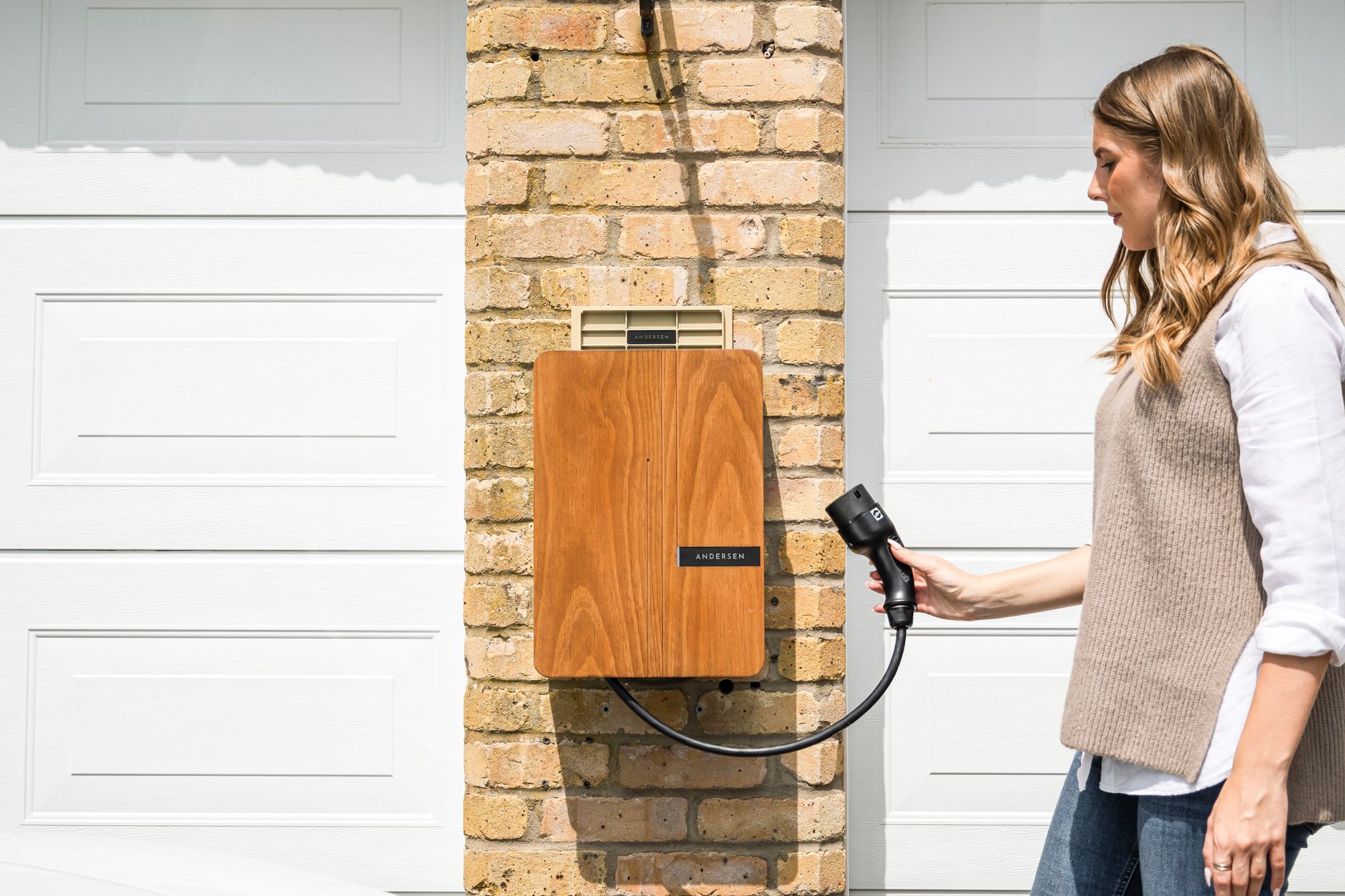
    Photo by Andersen EV.
  • Phone key, key card, or key fob: which should you actually carry?

    Phone key, key card, or key fob: which should you actually carry?

    Your Tesla doesn’t come with a traditional metal key. Instead, Tesla supports three separate ways to get in and drive: your phone, a key card, or an optional key fob. Most new owners default to whatever they set up first at delivery and never think about it again — but each option works differently, and Tesla’s own guidance is clear that you shouldn’t rely on just one.

    Phone key

    Your phone connects to the car over Bluetooth and acts as your primary key: it unlocks the doors as you approach, lets you start driving with no extra step, and gives you access to the Tesla app for remote climate, locating the car, and sharing keys with other drivers. It’s the most convenient option day to day, but it depends on your phone having battery and Bluetooth turned on, and it isn’t supported at all on 2012–2020 Model S or 2015–2020 Model X.

    Key card

    The key card is a plastic card, about the size of a credit card, that talks to the car over short-range RFID rather than Bluetooth. You tap it against the reader on the vehicle’s B-pillar (or the equivalent spot for your model) to unlock and start driving. It doesn’t support walk-up unlocking or auto-drive-away the way a phone key does — you have to tap it every time — but that’s also what makes it dependable: no battery to charge, no Bluetooth pairing to lose. Tesla sells a two-pack of key cards with a bifold wallet for $40, and it’s compatible with Model S (2021+), Model 3, Model X, Model Y, and Cybertruck.

    Key fob

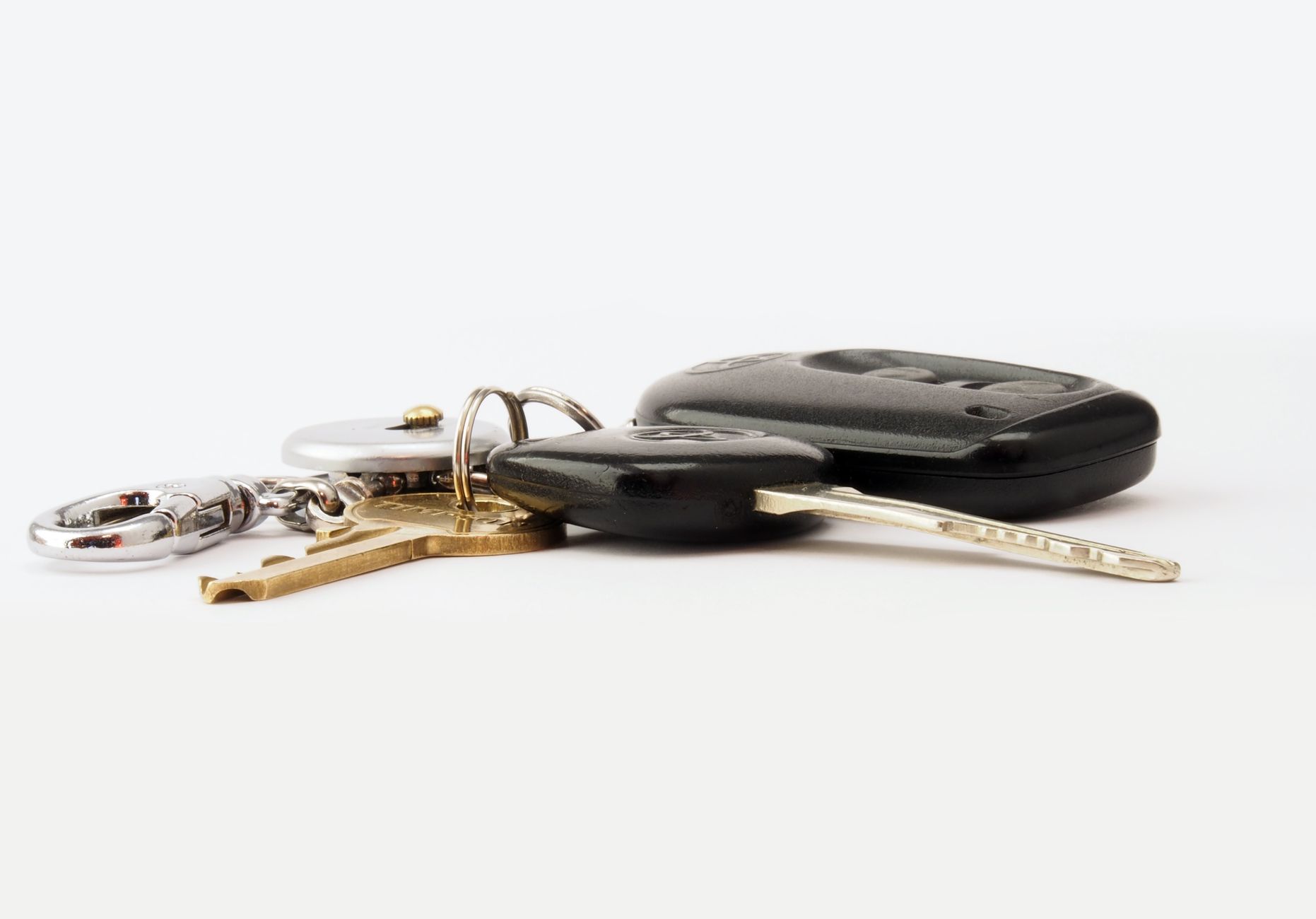
    Where available, the key fob is the closest thing to a traditional car remote: physical buttons to lock, unlock, and open the front and rear trunks, plus support for the same walk-up unlocking and auto-drive-away as a phone key. It’s the most expensive option at $175, and Tesla notes it has more limited compatibility across model years than the card or phone key.

    What to actually carry

    Tesla’s own recommendation is to use your phone as the primary key day to day, since it unlocks the most features, but to always keep at least one physical backup — a key card or fob — somewhere accessible. That backup matters more than it sounds: if your phone battery dies, breaks, or updates at the wrong moment, a card in your wallet or a fob on your keyring is the only way back into the car. A key card is the cheaper, lower-maintenance backup for most owners; a key fob makes more sense if you want a physical remote you can hand to a valet or a family member who doesn’t want the Tesla app installed on their phone.

    Whichever combination you choose, add every key to your account under Controls > Locks > Keys on the touchscreen the first week you have the car, before you actually need the backup.

    Photo by Brett Jordan.

  • Tesla issues two recalls this month. Here’s what owners need to do.

    Tesla issues two recalls this month. Here’s what owners need to do.

    Tesla has two open recalls this month, and owners of affected vehicles will start receiving notification letters in the mail. One requires nothing from you. The other requires a service appointment.

    Rearview camera delay (218,868 vehicles)

    Tesla told the National Highway Traffic Safety Administration that a software condition on certain 2017 and 2021–2023 Model 3, 2020–2023 Model Y, and 2021–2023 Model S and Model X vehicles could delay the rearview camera image by up to 11 seconds after shifting into reverse — a violation of the federal rear-visibility standard. The affected cars were running firmware 2026.8.6.

    The good news: Tesla caught this internally and began pushing a fix over the air on April 11, 2026, well before the formal recall filing. By the time the recall was filed, more than 99.92% of affected vehicles had already installed firmware 2026.8.6.1 or later, which resolves the delay. If your car has that update or a newer one, no action is needed. You can confirm your software version under Controls > Software on the touchscreen. Notification letters for this recall started going out in the mail after July 3, 2026.

    Missing certification label (14,575 Model Ys)

    The second recall is narrower but requires a trip to service. Tesla told NHTSA that an automated scanner at the factory failed to verify that a required certification label — the sticker listing your car’s maximum loaded weight, tire specs, and manufacture date, required under 49 CFR Part 567 — had actually been applied. Tesla estimates about 45% of the affected cars are genuinely missing the label. Without it, an owner has no easy way to know the vehicle’s rated weight limits, which raises the risk of unknowingly overloading the car.

    This one covers Model Y vehicles built November 17, 2024 through February 24, 2025 (model year 2025), and February 25, 2025 through April 21, 2026 (model year 2026). If your Model Y falls in that window, Tesla says you need to schedule a service appointment through the Tesla app: go to Service > Request Service > Other > Something Else, and type “Open Recall Repair – Certification Label” in the description. A technician checks for the label and applies one if it’s missing, at no cost, in under 10 minutes. Notification letters for this recall begin mailing July 17, 2026.

    How to check your own car

    You don’t have to wait for a letter. Enter your VIN into NHTSA’s recall search or Tesla’s own VIN lookup tool to see whether either campaign applies to your vehicle. Neither recall has been linked to any reported crash or injury.

    Photo by Gustavo Fring.

  • California’s new EV incentive exempts Rivian and Lucid from a price cap that applies to Tesla

    California’s new EV incentive exempts Rivian and Lucid from a price cap that applies to Tesla

    California has enacted a new state EV purchase incentive that exempts only “California-headquartered” automakers from a $50,000 price cap, a carve-out that benefits Rivian and Lucid but not Tesla, which moved its headquarters to Austin, Texas, in 2021. The provision was first reported by Teslarati and is confirmed in the text of Senate Bill 168, which passed the California Legislature on June 29, 2026.

    How the incentive works

    SB 168 directs the California Air Resources Board (CARB) to run a new incentive program for first-time zero-emission-vehicle buyers, funded through the 2026-27 state budget that Governor Gavin Newsom signed in June. Under the bill’s text, new vehicles must carry a manufacturer’s suggested retail price of $50,000 or less, and used vehicles must sell for $25,000 or less, to qualify. CARB sets the actual incentive amount, which manufacturers are required to match; NBC Los Angeles reports the current figures are $3,500 off a new EV and $1,750 off a used one, applied as an instant discount at the point of sale rather than a rebate claimed later. Buyers must certify they have never previously owned or leased an EV.

    The headquarters exemption

    The bill text creates one exception to the price caps: “incentives under the program shall be provided to California-headquartered zero-emission vehicle companies regardless of the vehicle manufacturer’s suggested retail price or sales price.” A qualifying company is defined as one headquartered in California as of January 1, 2026, whose entire vehicle lineup is zero-emission. InsideEVs confirms that Rivian, headquartered in Irvine, and Lucid, headquartered in the San Francisco Bay Area, both meet that definition, allowing their vehicles to qualify for the incentive regardless of price. Tesla, which relocated its corporate headquarters to Austin in 2021 while continuing to manufacture vehicles at its Fremont, California factory, does not meet the headquarters test and is therefore subject to the standard price caps like any other automaker.

    What it means for Tesla buyers

    Tesla is not barred from the program. Its vehicles are eligible on the same terms as any non-exempt automaker’s: if the MSRP is at or under $50,000, the vehicle can qualify for the incentive, subject to the buyer meeting the first-time-EV-buyer requirement and other program terms CARB is still finalizing. Current Model 3 and lower-trim Model Y configurations fall under that threshold, while pricier configurations do not. Edmunds lists the Model Y RWD starting at $39,990 and the Long Range/Premium trim at $46,380, both under the cap, while the Model Y Performance trim, at $58,880, exceeds it and would not qualify. By contrast, Rivian and Lucid models qualify for the incentive at any price under the headquarters exemption, including Lucid’s Air and Gravity, which start well above $50,000.

    As of early July 2026, the incentive program had not formally launched. CARB is still finalizing the grant agreements with automakers and dealerships required under SB 168 before buyers can claim the discount at the point of sale.

    Photo by Luke Miller.

  • Model 3 vs. Model Y: which one should you buy

    Model 3 vs. Model Y: which one should you buy

    If you’re cross-shopping Tesla’s two best-selling vehicles, the choice usually comes down to how you use a car day to day. Model 3 is a compact sedan built for a lower price and slightly better efficiency. Model Y is a compact SUV built around cargo space and a higher seating position. Here’s how they compare on the things that actually matter for a buying decision.

    Space and practicality

    Model Y is a hatchback-style SUV: the entire rear window lifts up for cargo access, and the rear seats fold flat to create a large, flat load floor. Tesla’s own Model Y owner’s manual lists about 74.8 cubic feet of total cargo space on the Standard trim (4 cubic feet up front plus 70.8 cubic feet in back with the rear seats folded), and Tesla also sells a Premium trim with an optional third row that seats up to seven.

    Model 3 is a traditional sedan, with a fixed trunk opening instead of a hatch. According to the Model 3 owner’s manual, total cargo volume is 24.1 cubic feet: 3.1 cubic feet in the front trunk and 21 cubic feet in the rear trunk. That’s a meaningful gap for anyone who regularly hauls strollers, luggage, or bulky store runs.

    Model Y also sits noticeably higher off the ground. A side-by-side spec comparison from Zecar puts Model Y’s ground clearance about 30 millimeters (roughly 1.2 inches) higher than Model 3’s, which lines up with commonly cited figures of around 6.6 inches for Model Y versus about 5.5 inches for Model 3. That extra height means easier entry and exit and a better view over traffic, while Model 3’s lower stance gives it a slightly sportier, more connected feel on the road. Both seat five as standard, and legroom is similar front and rear since the two share the same underlying platform.

    Price

    As of mid-2026, Model 3 is the less expensive vehicle to start. The base Model 3 (rear-wheel drive) starts at $36,990 before destination and order fees, and the step-up Premium trim starts at $42,490, according to Edmunds’ Model 3 pricing page, last updated June 8, 2026.

    Model Y starts higher: $39,990 for the base rear-wheel-drive version and $45,990 for the Premium rear-wheel-drive trim, per Electrek’s reporting on Tesla’s May 2026 Model Y price increase, the first hike to that lineup in two years. Add roughly $1,600 in destination and order fees to any of these figures for an out-the-door estimate. Both lineups also offer a Performance version priced several thousand dollars above their Premium trims. Tesla adjusts pricing often, so treat these as a snapshot rather than fixed numbers, and check tesla.com/model3 and tesla.com/modely for the live configurator price before you buy.

    Range

    Range favors Model 3 slightly, trim for trim, because a sedan’s smaller frontal area is more aerodynamically efficient than an SUV’s. Federal EPA fuel-economy filings for the 2026 model year show the base Model 3 RWD rated at 321 miles and the Premium RWD rated at 363 miles, the longest range in either lineup, while Premium AWD drops to 346 miles, according to fueleconomy.gov.

    Model Y’s base RWD trim also carries an EPA rating of 321 miles, matching the Model 3 Standard, but its Premium RWD trim is rated at 357 miles and Premium AWD at 327 miles, per the same EPA database. In practice, the two are close enough that most owners won’t notice a real-world difference. Model 3 simply edges out Model Y by a few percent in most matched trims because it’s lighter and more slippery through the air.

    Which one is right for you

    Choose Model 3 if price matters most, you don’t regularly carry bulky cargo, and you like a lower, more traditional driving position. It’s the cheaper entry point into either Tesla lineup and squeezes slightly more range out of a comparable battery.

    Choose Model Y if you need more cargo room, want the option of a third row, or prefer sitting higher with a better view of the road. The extra height also makes it easier to load a car seat or get in and out if a sedan’s lower seat feels awkward. For most families cross-shopping the two, that practicality difference, not price or range, ends up being the deciding factor.

    Photo by 木 灬.

  • How to trade in your car when you order a Tesla.

    How to trade in your car when you order a Tesla.

    Trading in your current car is one of the easiest ways to lower what you owe on a new Tesla, and Tesla handles the whole thing itself rather than routing you through a separate dealer. Knowing when to start the process and what can change along the way helps you avoid surprises at delivery.

    Get an estimate before you order

    You don’t have to wait until delivery to find out what your car is worth. Tesla lets you request a trade-in estimate by entering your VIN, odometer mileage, zip code, and damage history either before you place your order or any time afterward through the app. Tesla accepts passenger cars, trucks, vans, and SUVs, whether gas-powered or electric, though it does not take motorcycles, RVs, or commercial vehicles.

    Why the final number can differ from the online estimate

    The number you see online is only an estimate. Your final offer becomes available after you place your order and is subject to a physical inspection. That’s because reported damage, mechanical issues, and aftermarket modifications aren’t factored into the initial online number — they’re only accounted for once Tesla evaluates the car in person. Tesla also checks your vehicle’s history against the National Motor Vehicle Title Information System before approving a trade-in. If your car isn’t in stock condition or has damage you haven’t disclosed, expect the in-person number to move.

    If you still owe money on the car you’re trading in

    Having an active loan or lease doesn’t stop you from trading in. If you’re financing, Tesla will calculate your payoff amount and compare it against your car’s value, then add any resulting equity — positive or negative — to your purchase agreement. One thing to avoid: if you’re still making payments, Tesla’s own guidance says to refrain from paying off the loan yourself, since doing so can actually delay your delivery rather than speed it up.

    Leases work a little differently. Some lessors don’t allow third-party buyouts at all, including Ford/Lincoln, Acura/Honda, Infiniti/Nissan, GM Financial/Chevrolet, Volvo Financial, Southeast Toyota/World Omni Financial, and BMW Financial Services/MINI Financial Services. If you’re leasing, it’s worth calling your lender before you place your order to confirm you’re even eligible to trade in.

    Using the trade-in as a down payment

    Once your final offer is approved, the value is applied directly toward your new Tesla, essentially functioning as a down payment. You’ll need your title (or registration certificate if the car is financed or leased) and, if applicable, a lien release. Your trade-in vehicle itself gets handed over at your scheduled delivery appointment, at the same time you hand over that paperwork.

    If you’re trading in a gas or hybrid car for a new Tesla, it’s worth checking whether you qualify for 2,000 miles of free Supercharging, an incentive Tesla has offered to encourage the switch — details and eligible models can change, so confirm current terms when you submit your trade-in.

    Photo by AI25.Studio Studio.

  • Choosing the right floor mats for your Tesla: material, fit, and coverage.

    Choosing the right floor mats for your Tesla: material, fit, and coverage.

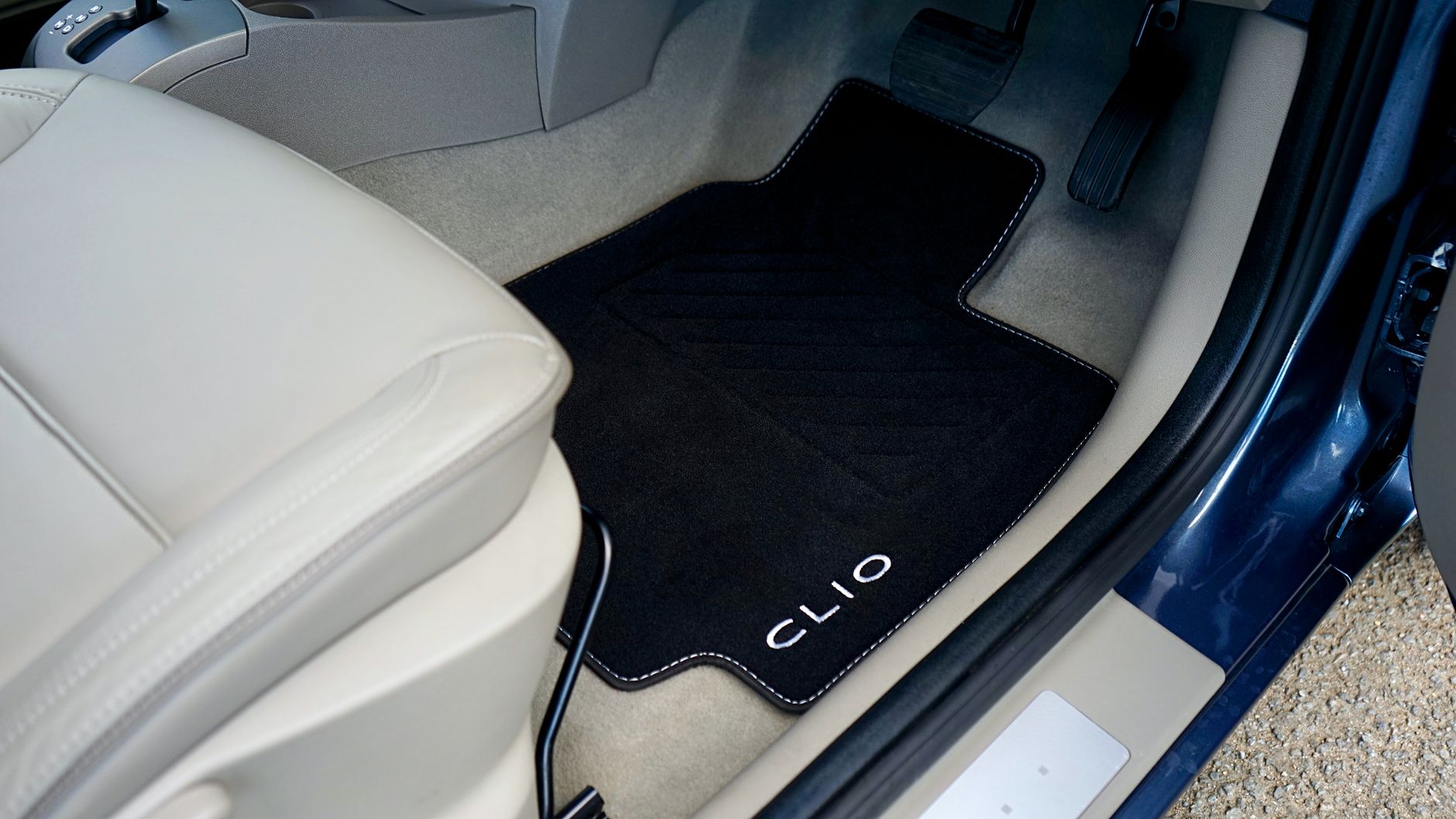
    Floor mats look like a simple purchase, but Tesla’s interiors change shape more often than most cars on the road, and a mat that fits one model year can leave gaps — or worse, shift under your feet — in another. Before you buy, it helps to understand the three variables that actually determine whether a mat works in your car: material, fit type, and which parts of the cabin it covers.

    All-weather (TPE) vs. carpet

    Tesla’s stock mats are textile carpet, and so are many budget aftermarket sets. Carpet is fine for light use, but it absorbs spills, traps pet hair, and stains faster than rubber-based alternatives. All-weather mats are typically made from thermoplastic elastomer (TPE), a flexible, waterproof material with raised edges that trap water, mud, and dirt so they don’t spread to the surrounding carpet. Tesla’s own accessory liners use the same approach: the automaker’s official Model 3 All-Weather Interior Liners are described as “thermoplastic elastomer” with raised vertical walls, not flat mats, which is why Tesla and most serious aftermarket brands call them “liners” rather than “mats.” TPE liners cost more upfront but hold their shape for years and clean up with a hose, while carpet mats need regular vacuuming and are harder to fully dry out after winter slush.

    Custom-fit vs. universal

    Universal mats are cut to a generic rectangle and trimmed by the buyer, which almost always leaves exposed carpet near the pedals or console. Custom-fit mats are shaped to a specific vehicle’s floor pan, usually from a 3D scan of the actual footwell. Fit matters for more than looks: NHTSA’s investigation into unintended acceleration in the late 2000s found that an unsecured or oversized floor mat could ride up and trap the accelerator pedal, a defect that led to a multi-million-vehicle recall. That history is why any mat you buy, custom or universal, should either lock onto the factory anchor points or sit low enough that it can’t creep toward the pedals.

    Know your Tesla’s generation before you buy

    Tesla revises its interiors mid-cycle without changing the model name, and floor mats are one of the first accessories to break compatibility. Tesla’s own shop sells separate liner sets for Model 3 vehicles built 2017–2023 and vehicles built 2024 and later — the “Highland” refresh, which reshaped the center console, seats, and footwells. Owners on forums have confirmed that pre-Highland mats fit “mostly but not snugly” in a 2024 car, leaving gaps at the edges. The same split applies to the Model Y: Tesla lists separate liners for 2020–2024 Model Y and 2025-and-later “Juniper” cars, which got new floor contours and seat anchors along with their updated dashboard and lighting. Some Juniper-specific frunk liners also exclude the base Standard Range trim, so check the listed trim, not just the model year, before ordering.

    Front, rear, and frunk are usually sold separately

    A typical all-weather liner set — including Tesla’s own — covers three pieces: the driver’s footwell, the front passenger footwell, and one liner across the second row. Cargo area and frunk (front trunk) protection are almost always separate purchases; Tesla sells a dedicated Model Y front trunk liner for about a third of the price of the cabin set. If you want full coverage — cabin, cargo area, and frunk — budget for it as two or three line items rather than assuming one mat set handles the whole car, and confirm each piece lists your specific model year and trim before checkout.

    Photo by Mike Bird.

  • Do Teslas hold their value? What the resale data shows.

    Do Teslas hold their value? What the resale data shows.

    Tesla built part of its early reputation on strong resale value, and for years that held up in owner surveys and pricing data. By 2026, the picture is more mixed. Tesla models still outperform most other electric vehicles on value retention, but they depreciate faster than the average new vehicle across all fuel types, and Tesla’s own pricing decisions have become one of the biggest variables in what a used one is worth.

    What the current data shows

    According to a 2026 study by iSeeCars, the average vehicle loses about 41.8% of its value over five years, while the average electric vehicle loses roughly 57% to 59%. Tesla’s results sit inside that EV range, but vary widely by model. The Tesla Model 3 retains about 45.5% of its value after five years, the best of any Tesla and better than the typical EV. The Cybertruck retains roughly 43.2%, and the Model Y retains about 41.9%. The Model X and Model S trail, retaining roughly 38.8% and 37.9% respectively, putting them among the weaker performers in the broader new-car market, not just among EVs.

    CarEdge’s separate analysis puts Tesla’s brand-wide average five-year depreciation at 61%, meaning the typical Tesla retains about 39% of its original price after five years. That analysis also found that 2022 model-year Teslas offer relatively strong value on the used market, selling for around 44% of their original MSRP while retaining about 75% of their expected useful life.

    Why Tesla’s new-car pricing moves the used market so much

    Tesla sells directly to consumers and adjusts prices more frequently than most legacy automakers, and every cut to a new Model 3 or Model Y has historically pulled used prices down with it. When Tesla cut new-vehicle prices in January 2023, iSeeCars found that used Tesla values dropped 4.8% in the following month, compared with a 1.5% drop across the broader used-car market — roughly three times the market’s rate, as of that February 2023 study. Because a used Tesla is competing against a new one from the same seller, a lower sticker price on a new model directly compresses what buyers are willing to pay for a comparable used one.

    That dynamic has shifted somewhat more recently. iSeeCars data covering September 2025 through January 2026 found that used Tesla prices rose about 4.3% while the rest of the used EV market fell about 3.6% over the same period, a divergence that followed the September 30, 2025 expiration of the federal used-EV tax credit and a broader pullback in used-EV demand. In practical terms, a buyer’s timing relative to Tesla’s own new-vehicle pricing announcements can matter more for resale value than the age or mileage of the car itself.

    Warranty coverage factors into what a used Tesla is worth

    Tesla does not run a certified pre-owned program the way most legacy automakers do. Used Teslas sold directly by Tesla go through a 102-point inspection rather than a branded CPO certification, and vehicles sold privately carry no factory recertification at all. What does transfer is the remaining factory coverage: the balance of the original battery and drive unit limited warranty — 8 years and 100,000 to 150,000 miles depending on the model, with a minimum 70% battery capacity guarantee — carries over to a new owner when the sale is processed through Tesla. For Model 3 and Model Y vehicles nearing the end of that coverage, Tesla also offers a Battery & Drive Unit Extended Service Agreement, which adds up to 24 months or 30,000 miles of coverage for roughly $2,000, though it covers component failure rather than gradual range loss and must be purchased before the original warranty expires. A buyer evaluating a used Tesla should check how much of that original warranty period and mileage remain, since it affects both the car’s price and how much risk the buyer is taking on after purchase.

    What this means when shopping

    Resale value for any individual Tesla depends on the model, the trim, remaining battery warranty, and where Tesla’s new-car pricing stands at the time of sale. A Model 3 has consistently outperformed other Tesla models and most EVs on value retention, while the Model S and Model X have depreciated faster than the broader new-car market average. Because Tesla can and does change new-vehicle prices with little notice, a used Tesla’s value can shift within weeks of a pricing announcement in ways that used gas-powered cars typically do not experience.

    Photo by Makara Heng.

  • What summer heat does to your Tesla’s range.

    What summer heat does to your Tesla’s range.

    Heat cuts into a Tesla’s driving range and slows down fast charging more than most owners expect, and early July is when that starts to show up. Most of the loss is manageable with a few habits rather than a mechanical problem.

    How much range you actually lose

    An analysis of real-world data from more than 7,500 electric vehicles by Recurrent, a battery-research firm, found that range loss stays minor through most of summer, then climbs fast: about 2.8% at 80°F, 5% at 90°F, 15% at 95°F, and 31% at 100°F. The same data showed Tesla models held the most consistent range readings of any brand tested across that temperature range, though they returned only about 60% of their EPA-rated range even in mild, 60°F weather.

    Real-world driving in extreme heat can land worse than those averages suggest. In a highway test through southern Spain at temperatures up to 111°F, a Tesla Model 3 Long Range covered 244 of its rated 436 miles, a 44% shortfall, a bigger gap than the other cars in the test. Testers attributed part of that to the car’s full glass roof, which pushed the air conditioning harder.

    Why DC fast charging slows down too

    Heat doesn’t just drain the battery faster, it slows how fast you can refill it. Fast charging in high heat can lead to slower charging speeds because the battery management system throttles current to keep cells from overheating, according to charging network ChargePoint. Charging experts told InsideEVs that summer heat is actually harder on charging speed than cold winter temperatures are.

    What you can do about it

    Precondition the cabin while the car is still plugged in. Tesla’s Scheduled Departure feature times charging and cabin preconditioning together, so the interior is already cool when you get in, using power from the wall charger instead of the battery. Cabin Overheat Protection works the same way, keeping the interior below 105°F using either air conditioning or outside-air circulation, depending on the setting.

    Park in the shade when you can. Starting a drive or a charging session with a cooler cabin and battery pack means the air conditioning and battery cooling system don’t have to work as hard, according to InsideEVs’ summer charging guidance.

    Cap your daily charge limit around 80%. Charging past that point is already slower on any lithium-ion battery, and stopping there keeps the pack cooler and reduces long-term degradation.

    Check tire pressure in the morning, before the car has been driven or sat in direct sun. Pressure climbs by roughly 1 PSI for every 10°F rise in temperature, and both under- and over-inflated tires increase rolling resistance and cut range.

    If you’re stopping at a Supercharger on a hot day, navigate there directly from the car so it can precondition the battery while you’re still driving. That warms the pack to its ideal charging temperature ahead of time, which helps it accept a faster charge rate as soon as you plug in.

    Photo by Kindel Media.

  • Tesla sets Q2 2026 earnings call for July 22 after a record delivery quarter.

    Tesla sets Q2 2026 earnings call for July 22 after a record delivery quarter.

    Tesla has confirmed its second-quarter 2026 earnings call for Wednesday, July 22, at 5:30 p.m. Eastern, when the company will post financial results after market close followed by a live Q&A webcast for investors.

    The call follows a strong quarter on the production side. In the same July 2 release setting the call date, Tesla said it produced over 450,000 vehicles and delivered 480,126 in the second quarter, alongside 13.5 GWh of energy storage deployments — Tesla’s own words from the release: “In the second quarter, we produced over 450,000 vehicles, delivered over 480,000 vehicles and deployed 13.5 GWh of energy storage products.” That delivery count marks Tesla’s strongest second quarter on record and its first year-over-year delivery growth in two years.

    What the July 22 call typically covers

    Tesla’s quarterly earnings calls are where the company gives its most detailed public updates on things that matter to current owners, not just shareholders: the pace of Supercharger and energy storage expansion, software and Full Self-Driving (Supervised) progress, and any changes to vehicle pricing or lineup. None of that is confirmed yet for this call — it’s simply the pattern these calls have followed, and it’s worth watching the actual webcast or transcript on July 22 rather than assuming specifics in advance.

    Why this matters if you already own one

    You don’t need to track Tesla’s stock price to have a reason to pay attention here. Delivery and production numbers are a rough proxy for how much manufacturing capacity Tesla is putting toward the cars on the road today, and the same earnings materials are usually the first place Tesla discloses updates to Supercharger network growth — directly relevant to charging availability wherever you drive. When the call happens, we’ll cover anything in it that’s actually relevant to ownership rather than pure investor detail.

    For now, the confirmed facts are limited to the date, time, and the Q2 production/delivery figures Tesla has already published. Anything beyond that — margin commentary, product announcements, or other speculation circulating ahead of the call — hasn’t been said by Tesla and isn’t reflected here.

    Photo by Alesia Kozik.